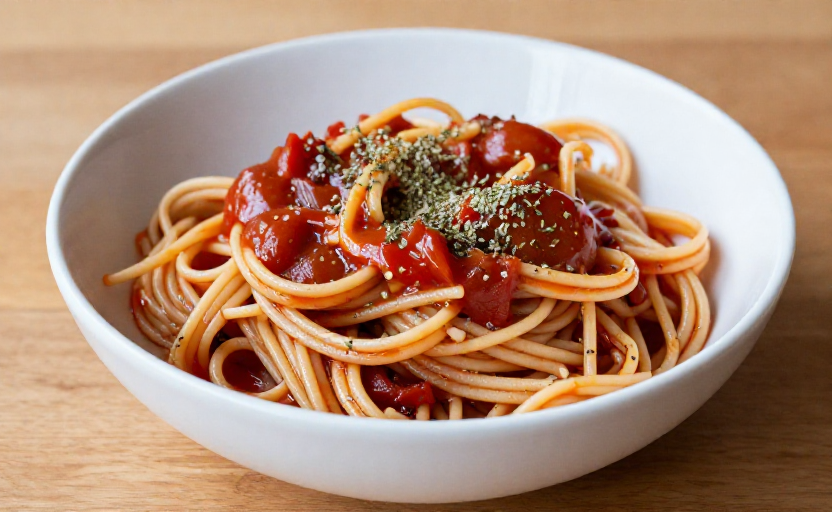
Some meals feel like a small win: no grocery run, no chopping marathon, and still something genuinely good on the table. That is exactly what this 15-minute vegetarian dinner delivers. It relies on five common pantry staples, so it works whether you are short on time, low on fresh produce, or simply want a no-fuss weeknight solution.
What makes a pantry dinner work?
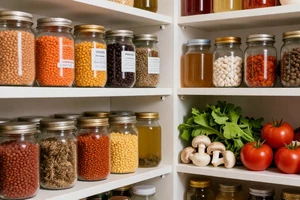
A truly useful pantry meal has a few key qualities: it uses ingredients you likely already have, comes together quickly, and leaves room for small adaptations. This recipe hits all three. The base ingredients are shelf-stable or long-lasting, and each one pulls double duty—adding flavor, texture, or nutrition without extra steps.
The five staples you need
You probably have most of these on hand right now. If not, each one is easy to keep stocked for future last-minute meals.
- Pasta or quick-cooking grains – Shapes like penne, spaghetti, or even couscous work well. They cook in about 8–12 minutes, which sets the pace for the whole meal.
- Canned tomatoes – Whole, crushed, or diced. They form the sauce base. If you have tomato paste, a spoonful stirred into water also works in a pinch.
- Onion and garlic – Fresh or powdered. These build the savory foundation. A single onion and a few cloves are enough to transform plain tomatoes into a real sauce.
- Dried herbs or spice blend – Oregano, basil, red pepper flakes, or a mix like Italian seasoning. Even curry powder or cumin can pivot the flavor in a different direction.
- Olive oil or butter – For sautéing and richness. A good drizzle at the end finishes the dish.
How to cook the meal in 15 minutes
The timing is straightforward: while the pasta or grain cooks, you make the sauce. Everything finishes at about the same moment.
- Start the pasta water. Bring a large pot of salted water to a boil. Add your pasta and cook according to package directions.
- Sauté the aromatics. While the pasta boils, warm a splash of olive oil or a pat of butter in a skillet over medium heat. Add diced onion (or a generous pinch of onion powder if you are using dried) and cook for 2–3 minutes until softened. Stir in minced garlic and cook for 30 seconds more.
- Build the sauce. Pour in the canned tomatoes. If you are using whole tomatoes, crush them with a spoon or your hands first. Add a pinch of salt and your chosen dried herbs or spice blend. Let it simmer gently while the pasta finishes—about 5–7 minutes. The sauce will thicken slightly without needing constant stirring.
- Combine and finish. Drain the pasta, reserving a splash of the cooking water. Toss the pasta with the sauce. If the sauce seems thick, stir in a little pasta water to loosen it. Drizzle with a bit more olive oil or a pat of butter before serving.
Tip: Reserve about 1/4 cup of pasta cooking water before draining. The starch in the water helps the sauce cling to the pasta and gives it a silky texture.
Ways to adapt this meal
The beauty of a five-ingredient pantry dinner is that it is a template, not a rigid recipe. Here are a few easy variations:
- Add a vegetable. If you happen to have a bell pepper, zucchini, or a handful of spinach, toss it in with the aromatics or stir it into the sauce at the end.
- Make it creamy. Stir in a spoonful of yogurt, cream cheese, or coconut milk just before serving.
- Swap the grain. Use quinoa, farro, or even leftover rice instead of pasta. Cook times will vary, but the sauce stays the same.
- Go oil-free. Sauté the onion and garlic in a splash of water or vegetable broth instead of oil.
Why keep a pantry-staple dinner in your rotation
Having a reliable, quick meal that does not depend on a farmers’ market run reduces food waste and decision fatigue. It is also a useful fallback when you are trying to eat more plant-based meals but do not have a fridge full of fresh produce. This particular combination—pasta, tomatoes, alliums, herbs, and a fat—covers the basics of a satisfying vegetarian dish without requiring a specialty ingredient in sight.
A 15-minute vegetarian dinner made from five pantry staples is not a compromise; it is a practical skill. Once you have made it once, you will likely find yourself adapting it again and again, adjusting the herbs or swapping the grain based on what you reach for first.