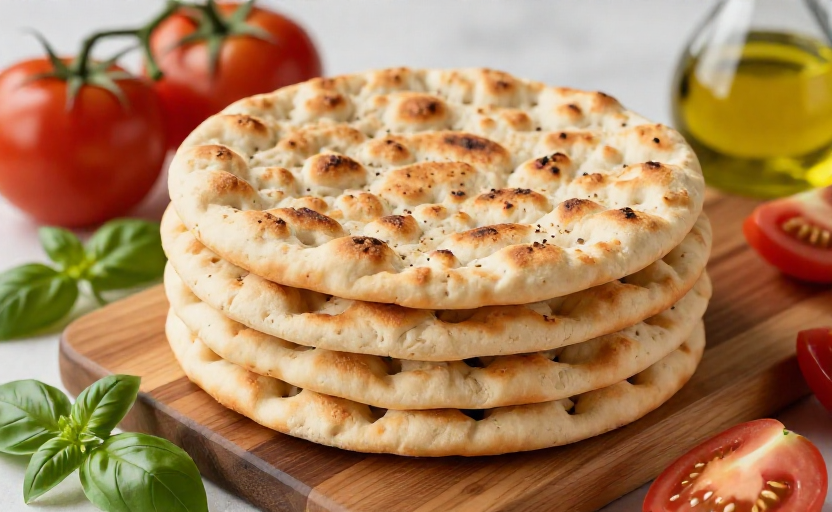
On a bustling Saturday morning, when the farmers' market is full of ripe tomatoes, fresh basil, and seasonal greens, the last thing you want is a complicated recipe waiting for you at home. That's where a 15-minute gluten-free flatbread steps in. It's fast, forgiving, and designed to showcase exactly what you just picked up.
This isn't about following a rigid baking science. The dough comes together in one bowl with simple gluten-free pantry ingredients—think rice or oat flour, a touch of olive oil, warm water, and salt. No yeast, no rising time, no fuss. You mix, you pat, and you cook it on a hot skillet in minutes.
What makes this flatbread so useful?
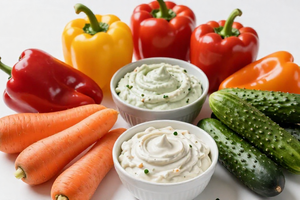
The real magic happens when you treat the flatbread as a blank canvas. Because it's sturdy but tender, it works equally well as a wrap for grilled vegetables, a base for a quick white bean and herb spread, or a side for scooping up shakshuka. The mild flavor lets the market vegetables take center stage.
Pairing ideas from the market
- Summer tomatoes and basil: Slice heirloom tomatoes, layer them on the warm flatbread, drizzle with good olive oil, and finish with flaky salt and torn basil.
- Zucchini ribbons and lemon: Use a vegetable peeler to make thin ribbons of zucchini, toss with lemon juice, and pile onto the flatbread with a little ricotta or dairy-free alternative.
- Roasted peppers and olives: If you bought a few bell peppers, roast them ahead or use jarred ones, then scatter olives and capers on the flatbread for a Mediterranean moment.
A flatbread this quick is a cooking hack, not a project. Keep the heat medium-high and don't overwork the dough—it should feel soft, not sticky.
A note on gluten-free texture
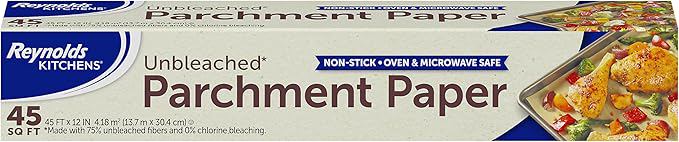
Gluten-free doughs behave differently than wheat-based ones. They tend to be more fragile and can dry out quickly. The trick is to roll or press the dough between two sheets of parchment paper or a lightly oiled surface. This prevents cracking and makes flipping easier. If the edges split, just press them back together—the flatbread is forgiving.
Flour variations
While a store-bought gluten-free all-purpose blend works well, you can also try brown rice flour for a nuttier taste or sorghum flour for a slightly sweet note. For a lighter texture, add a tablespoon of chickpea flour. Avoid coconut flour on its own—it absorbs too much liquid and yields a crumbly result.
Why this fits into a busy week
Whole foods from the market—vegetables, herbs, even edible flowers—deserve a quick cooking method that doesn't mask their flavor. This flatbread cooks in under two minutes per side. That means you can prep the vegetables while the skillet heats, and have lunch on the table before you've even unpacked your market bag.
It also stores well. Make a batch on Sunday, keep them in a sealed container at room temperature for a day or two, or refrigerate for up to five days. Reheat directly on a dry skillet for thirty seconds per side to restore the slight chewiness.
Common questions about quick gluten-free flatbreads
People often wonder if they can make this without eggs or dairy. Yes—the base recipe is already egg-free and dairy-free, relying only on flour, water, oil, and salt. Vegans and those with multiple food allergies can enjoy it without modification.
Another concern is whether the flatbread will hold up to heavy fillings. Because it's cooked on a hot surface with a little oil, it develops a light crust that provides structure. It's not as pliable as a flour tortilla, but it folds nicely for soft tacos or vegetable wraps.
Finally, if you have celiac disease, always confirm that your flour and any additional ingredients are certified gluten-free, especially if you are using a blend that may include trace grains.
Making it a meal
To turn the flatbread into a satisfying meal, pair it with a protein. A handful of chickpeas tossed in smoked paprika and sautéed until crisp works beautifully. Or spread hummus on the flatbread and top with quick-pickled onions and arugula. For a heartier plate, serve alongside a lentil soup or a bowl of roasted root vegetables.
The beauty of this flatbread is that it adapts to what's in season. Spring asparagus and peas, summer stone fruits, fall squash—all of them feel at home here. And because the cooking time is just fifteen minutes, the food stays bright and fresh, not weighed down by heavy preparation.