
The ninety-minute window before a grip-heavy workout is a specific kind of challenge. You need fuel that sits quietly in your stomach, doesn't spike your blood sugar and then drop it mid-set, and supports the kind of intense muscular contraction your forearms and hands are about to demand. Eating wrong here—too much fat, too much fiber, or too little carbohydrate—can leave you feeling heavy, sluggish, or just weak on the bar.
This isn't about a pre-workout ritual built around supplements. It's about real food, timed correctly, that helps you hold on longer and pull harder. The goal is steady energy, good blood flow, and nothing that distracts your body from performing.
Why ninety minutes?
Everyone digests at a slightly different rate, but ninety minutes is a sweet spot for most people. It gives your stomach enough time to clear a moderate meal into the small intestine, so that blood isn't being pulled away from your working muscles during heavy sets. You want blood in your forearms and core, not in your gut.
Digestion relies on blood flow too. If you eat too close to training—say thirty minutes out—your body has to split resources. The result is often a dull, heavy feeling in the stomach, and your grip feels disconnected. Too far out, like three hours, and blood glucose can start to dip, especially if the meal was small. Ninety minutes is the Goldilocks zone: fed, settled, ready.
The macronutrient split for grip work
Carbohydrates come first
Grip strength, like any other type of strength, requires ATP. That ATP needs to come from somewhere, and for high-intensity efforts lasting anywhere from a few seconds to a minute (which describes most heavy deadlift holds, pull-up sets, or farmer's carries), carbohydrates are the primary fuel. A moderate amount of easily digested carbs about ninety minutes out ensures that your muscle glycogen stores are topped off without leaving food sitting in your stomach.
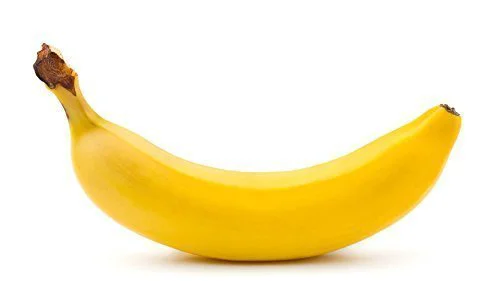
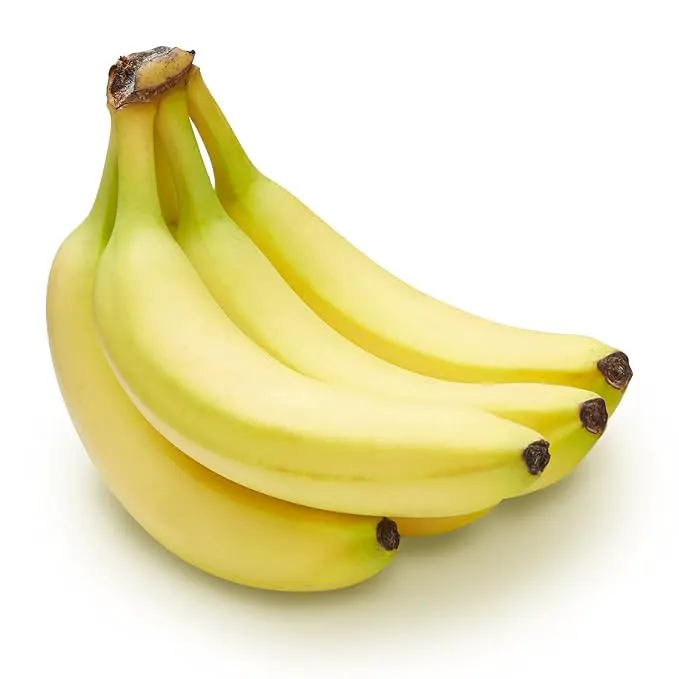
Good options here include a banana, a small baked potato, or about a cup of cooked white rice. These are low in fiber and unlikely to cause bloating. Pair them with something simple, but avoid pairing them with a huge load of fiber-rich vegetables or a heavy whole grain. You want the carbs to hit your bloodstream reliably, not get tangled up in a big digestion job.
Protein stays moderate
A small amount of protein helps with amino acid availability during training, but too much can slow down digestion. Think about twenty grams of protein—not forty. A couple of eggs, a scoop of whey protein isolate in water, or a small piece of chicken breast will do. The protein signals to your body that you're not in a fasted state, which can blunt cortisol spikes, but it shouldn't be the centerpiece of the meal.
Fat and fiber are the real variables here. Keep them low in this meal. A slice of avocado or a teaspoon of olive oil on the potatoes is fine, but don't add a handful of almonds or a big spoonful of peanut butter. Fat slows gastric emptying too much. Similarly, avoid a giant kale salad or a bowl of beans. They might be healthy in general, but ninety minutes before you need a crushing grip, they're going to make you feel like you're carrying a brick.
Hydration matters for grip
Hand and forearm muscles are small but metabolically active. Even slight dehydration can reduce endurance in your grip. You don't want to chug a liter right before training, but you do want to be well hydrated in the hours leading up to it. At that ninety-minute mark, try to have had sixteen to twenty ounces of water in the previous hour. If you're someone who sweats heavily, consider adding a pinch of salt to your food or drinking water with a small amount of electrolytes (no sugar needed) about thirty minutes before you start.
Dehydration directly affects the tensile strength of tendons and the contractile ability of muscles. It's one of the simplest things to get right, and it's often overlooked.
Practical meal ideas
- White rice and chicken: One cup of cooked jasmine rice, four ounces of grilled chicken breast, a splash of soy sauce or salt, and a small handful of steamed green beans (if you tolerate them well).
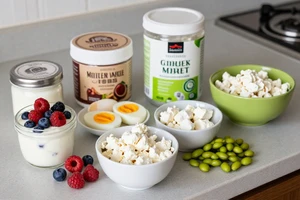
- Banana and eggs: Two whole eggs scrambled with a little salt, one medium banana, and a small drizzle of honey or maple syrup if you want extra carbs. Simple, fast, and settled by the time you hit the gym.
- Rice cakes with turkey: Three plain rice cakes, three ounces of lean turkey breast, and a smear of low-fat cream cheese or hummus (no more than a tablespoon). This one is light but effective.
- Baked potato and whey: One medium white baked potato (no skin if you're fiber-sensitive), a scoop of whey protein isolate mixed with water, and a pinch of salt on the potato. This is almost pure carbs and protein.
What to avoid completely
This is not the time for a heavy, fatty meal. Burritos, greasy burgers, creamy pasta dishes, and anything with deep-fried elements will still be sitting in your stomach when you need to lock into a heavy lift. Also stay away from high-fiber foods like bran cereal, lentils, or large salads. They ferment in the gut and can cause gas and bloating, which is uncomfortable during any kind of core bracing but especially so when you're trying to hold maximum tension.
Spicy foods are another variable to avoid. Capsaicin can irritate the stomach lining and cause heartburn or stomach cramps under exertion. You don't need that when you're bearing down on a heavy deadlift or hanging from a pull-up bar.
Simple rule: if it would make you feel sleepy or bloated after eating it, it's not the right choice ninety minutes before grip work.
Timing adjustments if you train early in the morning
If your grip training happens first thing in the morning, ninety minutes before might be four in the morning. Most people aren't going to wake up and eat a meal at that hour. In that case, consider eating a slightly larger, carb-focused meal the night before, and simply having a small, easily digestible snack (like half a banana or a few rice cakes) thirty to forty-five minutes before you start. You're not going to get the same digestion window, but something is better than nothing, and blood sugar will already be lower in the morning.
Alternatively, a liquid meal like a fruit smoothie with a scoop of protein powder and oats blended fine can be digested faster. Drink it about sixty minutes before training. That's a compromise that works well for early lifters.
Does caffeine help grip strength?
Caffeine can definitely help with perceived effort and grip endurance. The problem with caffeine is timing relative to food. If you drink coffee with your meal ninety minutes out, the caffeine will be peaking just as you begin your warm-up. That's fine for most people. But if you're someone who needs caffeine closer to training to feel it, have a small dose—like a cup of black coffee—about thirty minutes before you start. Don't add cream or sugar if you can avoid it. Caffeine can also act as a mild diuretic, so if you go that route, make sure your overall hydration is solid.
Key takeaways
This is about being intentional. The meal ninety minutes out is not where you experiment with new foods or complicated recipes. It's where you feed your body something simple that does the job without getting in the way. Pay attention to how different foods affect your grip in the first few sets. Some people tolerate a little more fat than others. Some do well with oats; some feel heavy. Trial and error over a few sessions will dial in your personal version of this meal.