The timer is ticking. You are already in your gym clothes, and you have exactly 30 minutes before you need to pick up a barbell. You know you should eat something, but you do not want to feel heavy or sluggish. This is the classic pre-strength workout dilemma, and the answer is simpler than most fitness articles make it seem.
As a dietitian who works with strength athletes, I see people make two common mistakes: eating nothing at all because they are afraid of cramps, or eating something that sits in their stomach like a rock. The right choice at the 30-minute mark is a small, quickly digestible combination of carbohydrates with a touch of protein. Your muscles need immediate fuel for performance, but your digestive system cannot handle a full meal on such short notice.
Why the 30-minute window matters
Strength training demands energy from a specific source: adenosine triphosphate (ATP). Your body stores a limited amount of ATP, and it needs to regenerate it fast during heavy sets. Carbohydrates are the most efficient fuel for this process. When you eat 30 minutes before lifting, you give your body just enough time to get glucose into your bloodstream without diverting too much blood flow to your stomach for digestion.
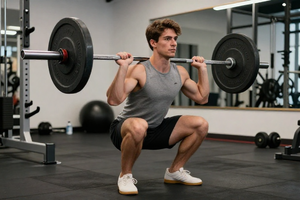
If you eat too close to your workout, digestion competes with your working muscles for blood flow, which can cause that uncomfortable side stitch or bloated feeling. If you wait too long or skip the snack, your body may tap into muscle glycogen stores more aggressively, leading to earlier fatigue and a drop in performance by your third set of squats.
The ideal nutrient profile for a pre-workout snack
At the 30-minute mark, prioritize carbohydrates. Aim for roughly 20 to 40 grams of carbs depending on your body size and workout intensity. For most people, that is about half a banana or a small handful of dried fruit. Add a modest amount of protein: around 5 to 10 grams. This small protein hit helps with muscle protein synthesis signaling and may reduce muscle breakdown during the session, but it is not a full recovery meal.
Think of this snack as a quick top-off for your fuel tank, not a full refueling stop.
Fat and fiber are the enemies of this specific timing window. They slow gastric emptying, meaning your food stays in your stomach longer. A handful of almonds or a big spoonful of peanut butter might seem healthy, but the fat content can leave you feeling heavy when you need to brace for a deadlift. Save those for your post-workout meal or a snack eaten two hours before training.
What about caffeine?
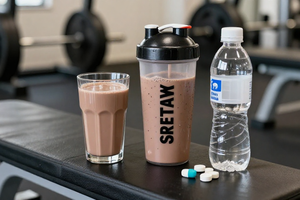
Coffee or a small amount of caffeine about 30 minutes before training can enhance focus and reduce perceived effort during strength work. If your stomach tolerates it, black coffee or a simple caffeine pill (not an energy drink with artificial sweeteners that can cause gas) is fine. Do not rely on fancy pre-workout formulas with dozens of ingredients; a banana and black coffee is a proven, simple stack.
Simple snack ideas you can eat right now
You do not need a kitchen or a blender. Here are four practical options that take zero prep and work well for most people:
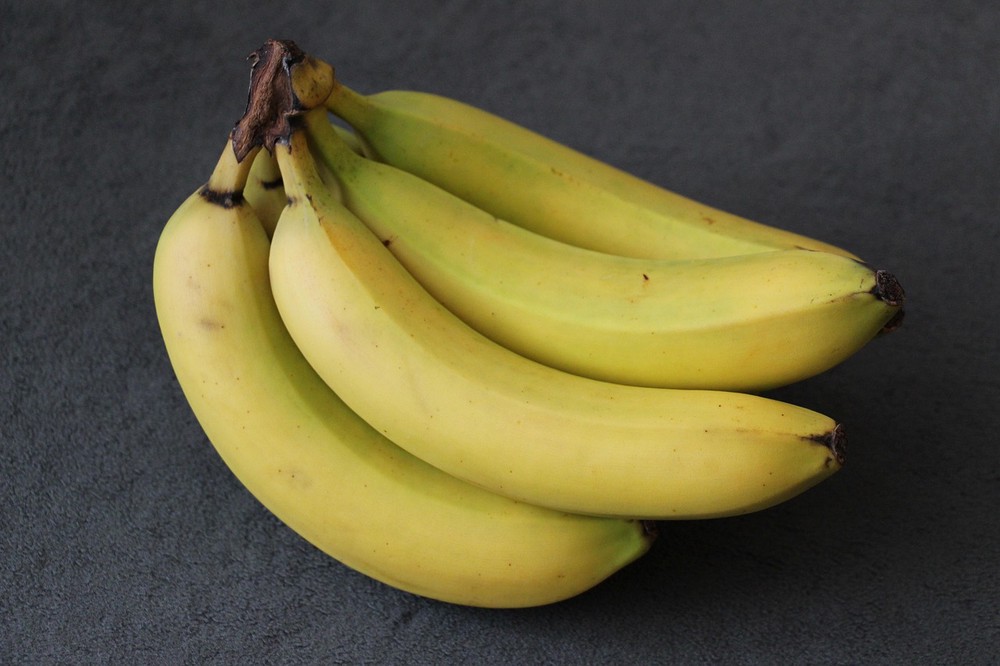
- A medium banana. It is nature's pre-workout bar. One banana provides about 30 grams of quick-digesting carbohydrates with a balance of glucose and fructose that your liver can process quickly. Add a small dollop of low-fat Greek yogurt (about two tablespoons) if you want that touch of protein.
- White rice cakes with jam. Two plain white rice cakes (not brown rice cakes, which have more fiber) topped with a thin layer of fruit jam give you about 35 grams of carbs with almost no fat or fiber. It is like eating pure glycogen fuel.
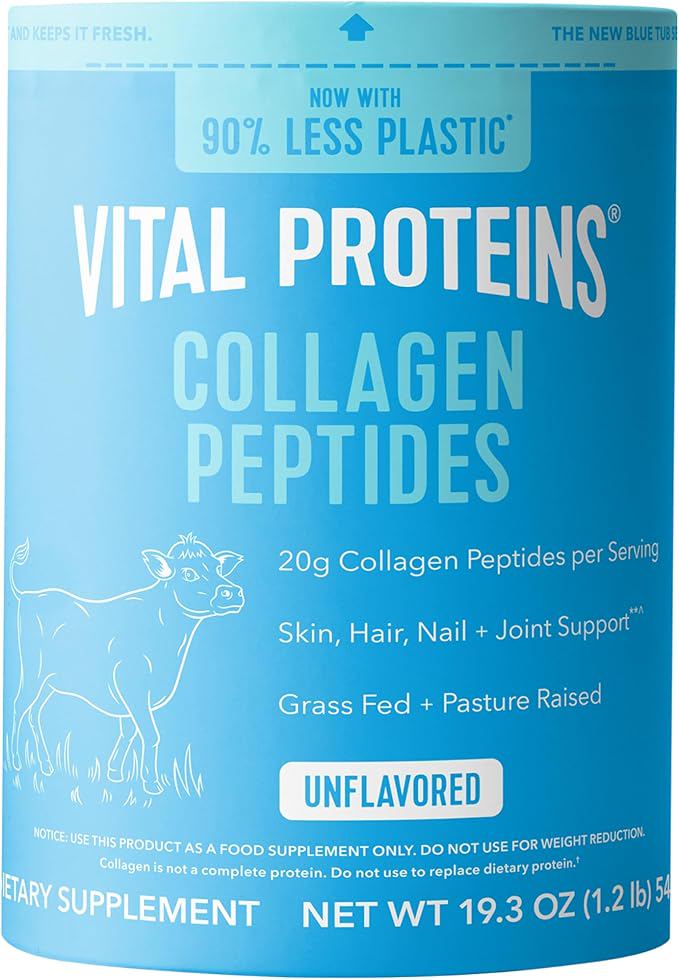
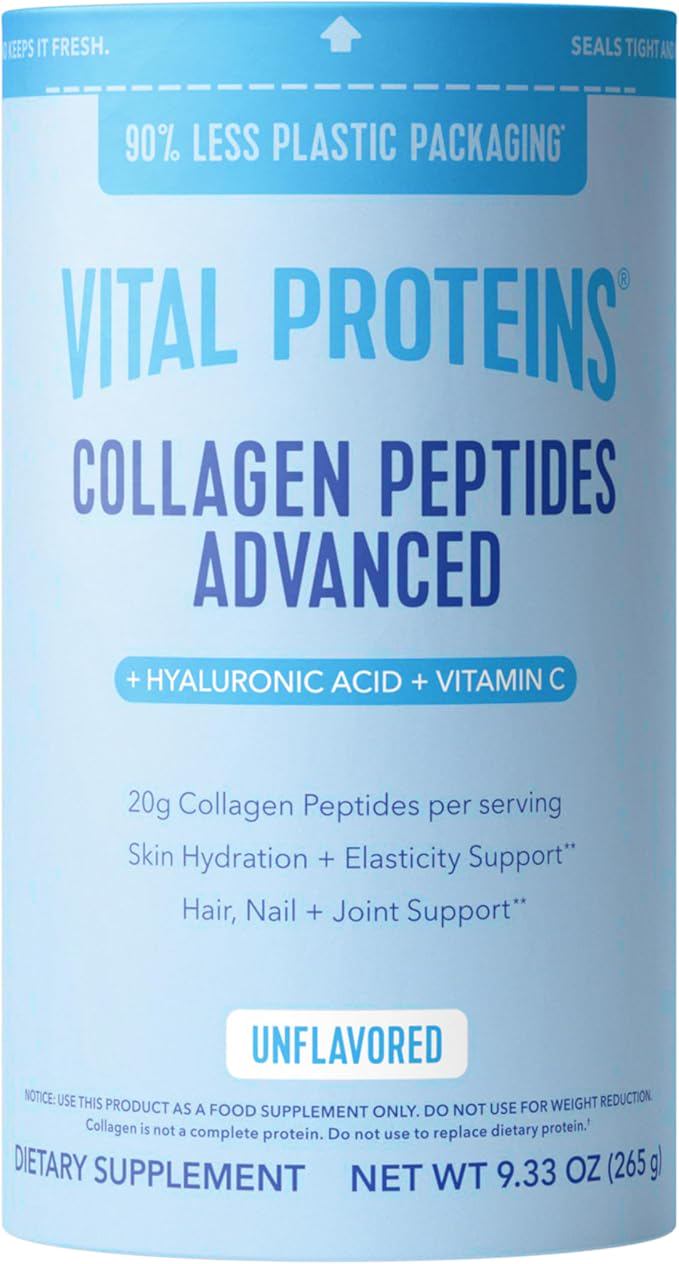
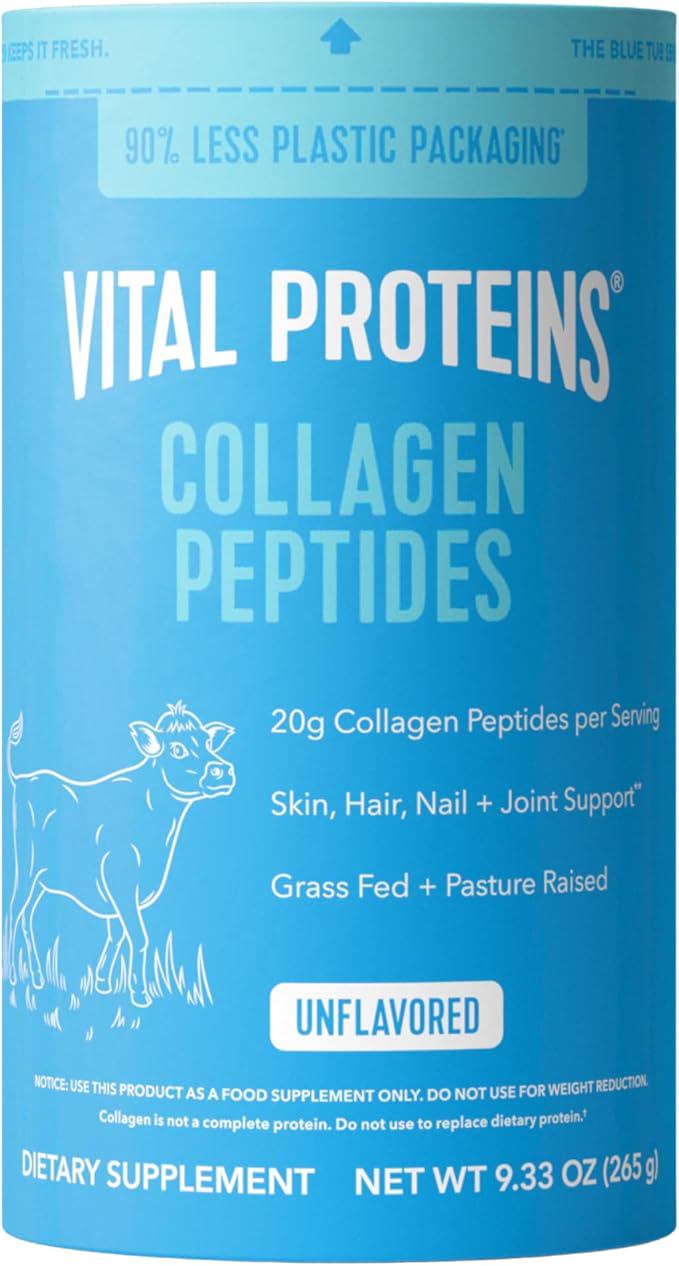
- A small apple or a cup of apple sauce. About half a cup of unsweetened apple sauce provides 15 grams of easily absorbed carbs. If you want protein, stir in a scoop of collagen peptides, which dissolve without clumping and contain no fat or fiber.
- Two to four Medjool dates. Dates are concentrated carbohydrate sources. Two dates give you roughly 35 grams of sugar with virtually no fat. They are easy to pack in a gym bag and do not bruise like a banana.
Foods to avoid in the final 30 minutes
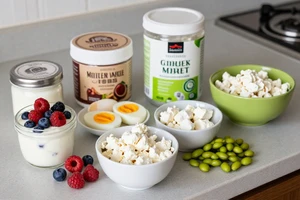
Some foods that are generally healthy are poor choices right before strength training. Whole grains, beans, lentils, and raw vegetables are high in fiber and can cause bloating. Full-fat dairy, nuts, seeds, avocado, and fatty cuts of meat take too long to digest. Spicy foods can cause acid reflux during high-effort lifts. Protein bars with high fiber content (more than 5 grams of fiber) are risky; check the label carefully.
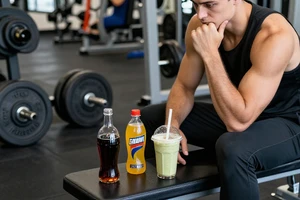
Also avoid sugary drinks like soda or fruit juice by themselves. Liquid sugar hits your bloodstream fast, but it can cause a rapid spike followed by a crash in blood sugar, which may leave you feeling shaky by the middle of your workout. Pairing a small amount of liquid carbohydrate with a solid food as listed above blunts that crash.
Listen to your own body
There is no single perfect pre-workout snack for every person. Some athletes tolerate a small amount of fat better than others. Some people need more carbs to feel strong during high-volume training. What works for your training partner may not work for you. The best approach is to test a snack during a moderate workout before trying it on heavy leg day. Keep a simple log: what you ate, how you felt in the first 15 minutes, and how you performed in the last 15 minutes of your session.
Your pre-workout snack should make you feel energized but not full, focused but not jittery.
Hydration before strength training matters too. Drink about 8 to 12 ounces of water with your snack. Even mild dehydration impairs strength output and makes your perceived effort feel higher. If you drink coffee, account for its mild diuretic effect and sip extra water throughout your warm-up.
The bottom line
Thirty minutes before a strength workout, reach for a simple carbohydrate-dominant snack with a small amount of protein. Avoid fat, fiber, and heavy proteins. A banana, a couple of rice cakes with jam, apple sauce with collagen, or a few dates all work well. Pair it with water and, if your stomach agrees, a small black coffee. This timing and nutrient profile will help you lift heavier, feel stronger, and avoid the digestive discomfort that can ruin a session. Test these options during lighter training days and stick with what makes you feel your best.