
That mid-afternoon slump is a familiar foe. The clock hits 2 or 3 p.m., your cortisol is already dipping from a morning of stress, and you reach for another coffee or a sugary soda. This choice usually backfires, sending your blood sugar on a roller coaster that leaves you more drained than before. Instead of fighting the slump with stimulants, you can work with your body’s natural rhythm by choosing drinks that stabilize energy, calm the nervous system, and support your adrenal response.
Stress-related energy crashes happen when your body’s stress hormones, especially cortisol, are out of balance. After a morning of high cortisol, levels naturally drop by afternoon. When you add more stress (or caffeine), cortisol spikes again and then crashes, leaving you foggy, irritable, and craving sugar. The right beverage can gently stabilize that curve without the rebound.
Why your go-to afternoon coffee might be the problem
If you’re used to an afternoon espresso or a cola, you’re not alone. But caffeine acts as a double agent. It blocks adenosine—the chemical that makes you feel sleepy—so you feel alert temporarily. When it wears off, adenosine floods back, often stronger than before, creating a deeper crash. For someone already coping with daily stress, this caffeine-afternoon cycle can amplify anxiety and disrupt sleep later, making the next day’s energy even worse. Opting for a caffeine-free or low-caffeine beverage gives your adrenal system a real break.
The top afternoon drinks to fight stress and low energy
These choices are built on simple physiology: stable blood sugar, adequate hydration, and compounds that support the parasympathetic (rest-and-digest) nervous system. You don’t need a prescription or a powder—just real food ingredients.
- Green tea (especially matcha): Contains a small amount of caffeine but includes L-theanine, an amino acid that promotes calm alertness without jitters. The combination leads to a smoother, longer-lasting energy lift. Because matcha is powdered whole leaves, it provides more L-theanine than regular steeped green tea.
- Chamomile or lavender herbal tea: Caffeine-free, these gentle teas can help lower cortisol levels and soothe the nervous system. They don’t give you a spike—they gently prevent a crash by reducing the stress that causes it. Sip one around 2 p.m., before the crash starts.
- Lemon water with a pinch of sea salt and honey: Hydration alone fixes many fatigue issues, but adding a tiny amount of salt and honey provides electrolytes and glucose in a low-dose, balanced form. This is especially helpful on high-stress days when you’ve been sweating or burning adrenaline.
- Golden milk (turmeric latte) made with unsweetened almond or oat milk: Turmeric’s anti-inflammatory compound, curcumin, helps reduce the systemic inflammation that stress can trigger. A warm, creamy drink signals your body to switch from sympathetic (fight-or-flight) to parasympathetic mode, reducing the urge for a cortisol spike.
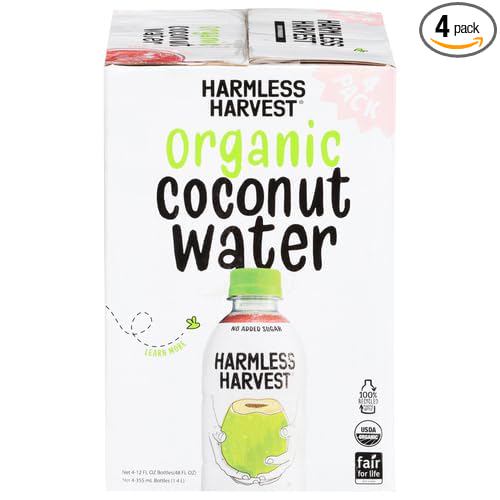
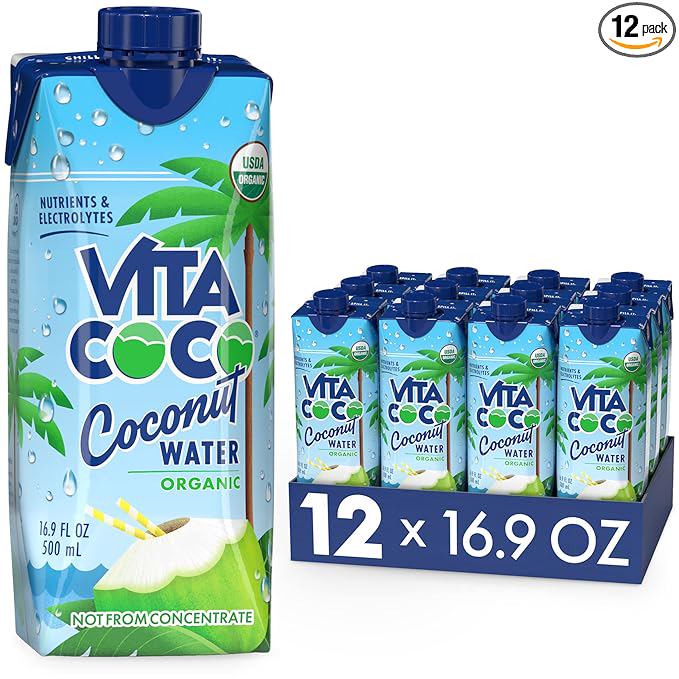
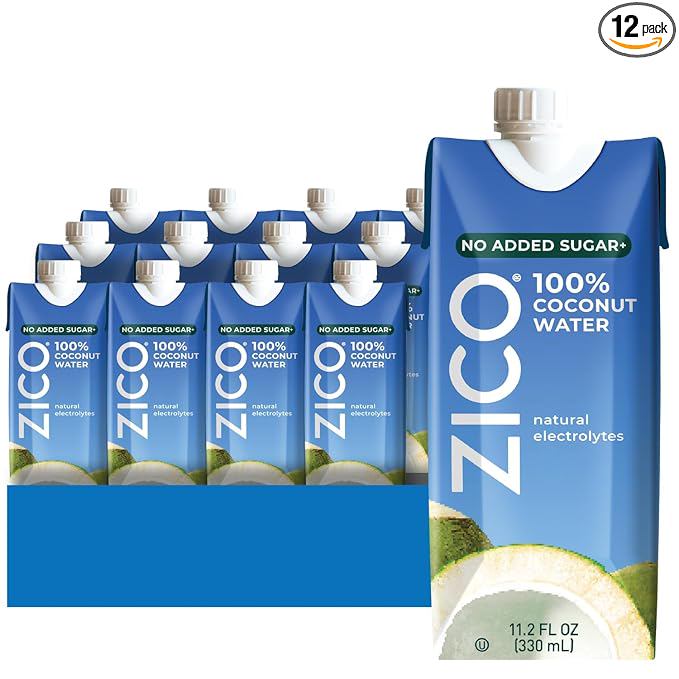
- Coconut water (plain, no added sugar): Naturally rich in potassium and low in sugar, coconut water supports electrolyte balance without spiking blood sugar. This is an excellent post-stress recovery drink if you’ve been physically active or mentally drained all morning.
Quick tip: If you absolutely need a little caffeine, try a half-caff or a 1/4 shot of espresso mixed into a latte made with unsweetened milk. This gives you a small lift without the crash.
How matcha specifically helps with stress-related fatigue
Matcha is more than a trendy green powder. A 2019 review in Phytotherapy Research noted that L-theanine from green tea reduces psychological and physiological stress responses, including lower heart rate and reduced salivary cortisol. The caffeine content in matcha (about 70 mg per serving) is smaller than coffee’s (100–140 mg), and because it’s bound to the tea leaves, it is released more slowly. The result is a calm, focused energy that lasts three to four hours—ideal for the afternoon window when you need to power through a task without a later crash.
Hydration first: the most overlooked fix
Even mild dehydration (loss of just 1–2% of body water) can cause fatigue, headaches, and mood changes—symptoms that mimic a stress crash. When you’re busy, it’s easy to go hours without drinking, especially if you drink coffee in the morning, which is a mild diuretic. Before reaching for any special tea, drink a glass of plain water and wait 15 minutes. Many people find that simple rehydration eliminates the need for a sugary pick-me-up. For better absorption, sip water steadily throughout the morning rather than chugging a liter at 3 p.m.
What about adaptogenic drinks?
Adaptogens like ashwagandha, rhodiola, and holy basil are sometimes found in ready-made tea bags or powders. These herbs are thought to help the body handle stress by modulating cortisol levels. While the research is promising, it’s not definitive for short-term use, and they can interact with medications (especially thyroid or blood pressure drugs). If you’re curious, choose a single-herb tea (like tulsi/holy basil) rather than a blend with multiple adaptogens, and check with your doctor if you take regular medication. Most people can safely drink chamomile or green tea without worry.
Practical three-step afternoon routine
Instead of waiting until you crash, try this simple sequence:
- First warning sign (fog, yawn, irritability): Drink 8 oz of cool water slowly.
- If still tired after ten minutes: Brew a cup of green tea (or chamomile if you are sensitive to caffeine). Avoid adding sugar; a drop of raw honey is fine if needed.
- Pair with a protein-rich snack: A hard-boiled egg, a handful of almonds, or plain Greek yogurt. The protein prevents blood sugar dips that worsen crashes.
Disclaimer: This article is for educational purposes only and does not replace medical advice. If you experience persistent fatigue, sudden energy crashes, or suspect an adrenal disorder, consult a healthcare professional.