
What you eat before bed is more than a late-night habit. The foods and drinks you reach for in the hour or two before sleep can directly influence how well you rest and how your body manages stress hormones overnight. While a small snack can help stabilize blood sugar and promote relaxation, the wrong choice can spike cortisol, disrupt sleep architecture, and leave you feeling groggy the next day.
Understanding the connection between your pre-bed snack and your sleep quality comes down to how different nutrients interact with your brain's sleep-wake cycle and your endocrine system. Here’s what the research says about making smart choices—and which snacks to avoid if you want deeper, more restorative sleep.
How food affects your sleep hormones
Sleep is regulated by a delicate balance of hormones, including melatonin (which signals your body it's time to sleep) and cortisol (the primary stress hormone, which follows a natural daily rhythm). What you eat can either support these rhythms or throw them off. For example, carbohydrates can increase the availability of tryptophan, an amino acid that helps produce serotonin and melatonin, promoting sleepiness. However, high-sugar or high-fat foods can trigger a cortisol response, making it harder to fall asleep and stay asleep.
Your digestive system also plays a role. Eating a heavy meal close to bedtime forces your body to work on digestion when it should be winding down. This can lead to reflux, discomfort, and interruptions in deep sleep stages.
Foods that may help you sleep better
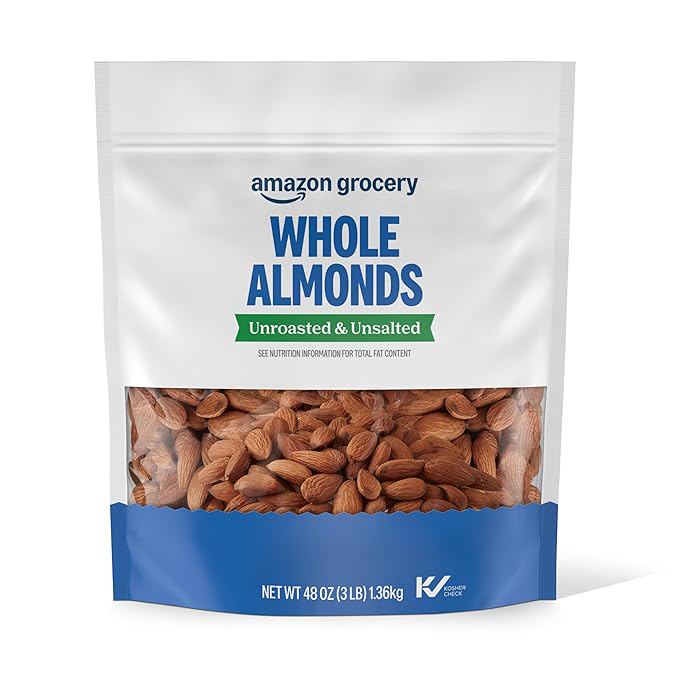
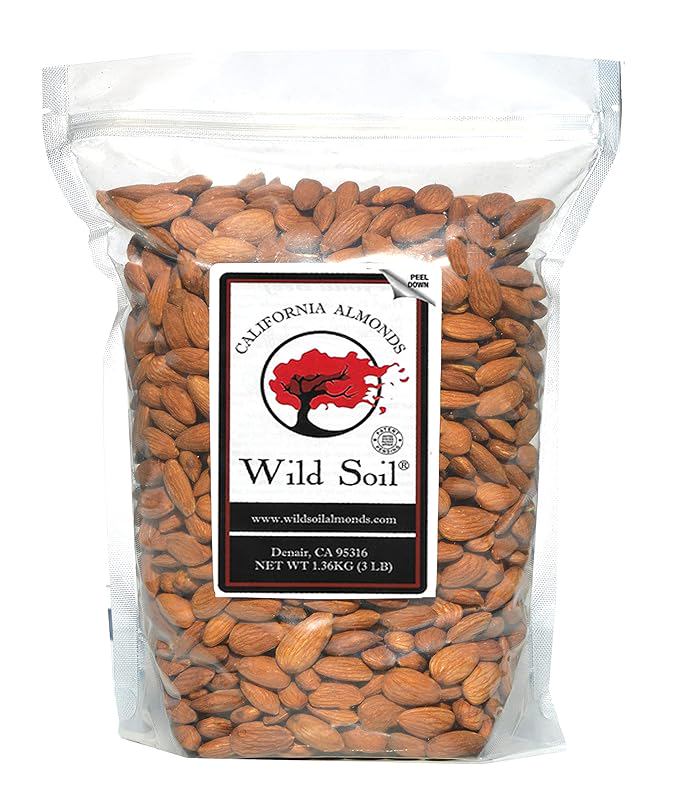
Some foods contain nutrients that naturally support sleep and lower stress hormones. Tart cherries, for instance, are a natural source of melatonin. A small glass of tart cherry juice about an hour before bed has been shown in some studies to improve sleep duration and quality. Similarly, kiwi fruit contains serotonin and antioxidants that may help you fall asleep faster. Bananas are rich in magnesium and potassium, which relax muscles and nerves, while almonds and walnuts provide magnesium and healthy fats that support calmness.
Dairy products such as warm milk or yogurt contain calcium and tryptophan. Calcium helps the brain use tryptophan to manufacture melatonin, making a small bowl of plain yogurt or a glass of warm milk a classic bedtime snack for good reason.
Timing and portion size matter
Even beneficial snacks can backfire if eaten too close to sleep or in large amounts. Aim to finish your snack at least 45 to 60 minutes before lying down, and keep portions small—think a few almonds, half a banana, or a half-cup of yogurt. Overeating before bed can cause a spike in insulin and cortisol, which are both counterproductive to sleep.
Snacks that can disrupt sleep and raise cortisol
Certain foods and drinks are known to interfere with sleep quality and increase stress hormones. Here are the main culprits to avoid in the evening:
- Caffeine — Found in coffee, tea, chocolate, and some sodas, caffeine blocks adenosine, a chemical that promotes sleep. Even moderate amounts consumed within six hours of bedtime can reduce total sleep time and increase nighttime awakenings.
- Sugar and refined carbohydrates — Cookies, cake, white bread, and sugary cereals can cause a rapid rise and then sharp drop in blood sugar. This fluctuation can trigger the release of cortisol and adrenaline, waking you up in the middle of the night.
- Spicy or acidic foods — These can cause heartburn or acid reflux, which often worsens when lying flat. Discomfort from reflux can prevent you from entering deep sleep and may raise cortisol levels.
- Alcohol — While alcohol can make you feel drowsy initially, it fragments sleep later in the night and suppresses REM sleep, leading to lower sleep quality and higher morning cortisol.
Stress hormones and the gut-brain connection
The relationship between your gut and brain is bidirectional. What you eat influences your gut microbiome, which in turn produces neurotransmitters and signaling molecules that affect mood and stress. A diet high in processed foods and added sugars can promote inflammation and an imbalance in gut bacteria, which has been linked to higher cortisol and poorer sleep. On the other hand, foods rich in fiber, probiotics, and polyphenols—like whole oats, berries, and fermented foods—support a healthy microbiome and may help keep stress hormones in check.
A simple rule: if a snack makes you feel energized or wired, it's likely not a good choice before bed. Look for foods that feel calming and satisfying without causing a sugar rush.
Practical tips for choosing your pre-bed snack
Rather than following a strict meal plan, focus on these general guidelines. Pair a small amount of complex carbohydrates with a protein or healthy fat. This combination slows digestion and provides a steady release of energy overnight. For example, a half-slice of whole-grain toast with a thin layer of almond butter, or a small handful of pumpkin seeds and a few dried cherries. Drink herbal tea such as chamomile or lavender, which have mild sedative effects and can lower anxiety.
If you wake up hungry in the middle of the night, it might mean your evening meal wasn't substantial enough. Consider moving more calories to dinner or adding a small, protein-rich snack before bed. But if you wake up feeling restless or wired, examine whether your late-night snack contains hidden sugar, caffeine, or artificial ingredients.
When to adjust your bedtime eating routine
Everyone's body responds differently to food. If you consistently have trouble falling asleep or feel stressed in the morning, try adjusting your eating schedule for a few nights. Keep a simple log of what you ate and how you slept. Look for patterns: do you sleep better after a banana and almonds compared to a bowl of cereal? Do high-sugar snacks lead to waking up at 2 a.m.? Small experiments can help you find what works for your unique system.
Making thoughtful pre-bed snack choices is one of the simplest ways to support both sleep quality and stress hormone balance. By favoring whole, nutrient-dense foods and avoiding stimulants and heavy meals, you create the conditions for your body to rest deeply and recover fully.