The hours before bed often come with a quiet hunger pang or a craving for something sweet. What you choose in that moment can either support a night of deep, restorative sleep or create subtle disruptions that leave you feeling groggy the next morning. The right pre-bed snack does more than quiet your stomach—it can help stabilize blood sugar overnight, support the production of sleep-promoting neurotransmitters, and set the stage for waking up clear-headed and calm.
This isn't about strict rules or complicated meal planning. It's about understanding a few key principles and having a short list of go-to options that work with your body's natural rhythms. Here's a practical guide to choosing a pre-bed snack that supports deep sleep and calm mornings.
Why the Right Snack Matters for Sleep Quality
Your body doesn't shut down completely when you sleep. It's busy repairing tissues, consolidating memories, and regulating hormones. Blood sugar plays a surprisingly big role in this process. If your last meal was hours ago and your blood sugar dips too low overnight, your body may release stress hormones like cortisol and adrenaline to bring it back up. That surge can wake you up or prevent you from reaching the deeper stages of sleep.
A small, balanced snack before bed can help maintain steady blood sugar levels through the night. It can also supply the amino acid tryptophan, which your brain uses to make serotonin and melatonin—two key players in falling and staying asleep.
What Makes a Good Pre-Bed Snack?
A sleep-supporting snack generally includes a combination of complex carbohydrates and a modest amount of protein or healthy fat. Carbs help make tryptophan more available to the brain, while protein and fat slow digestion and keep blood sugar stable. You don't need much—think of this as a light bridge between dinner and morning, not a second meal.
A few general guidelines:
- Keep portions small, around 150 to 200 calories.
- Aim for at least 2 to 3 grams of fiber to help slow the release of sugar.
- Include a source of tryptophan, such as dairy, nuts, seeds, or poultry.
- Avoid added sugars and refined carbs, which can cause a rapid spike and subsequent crash in blood sugar.
Top Snack Ideas for Deep Sleep
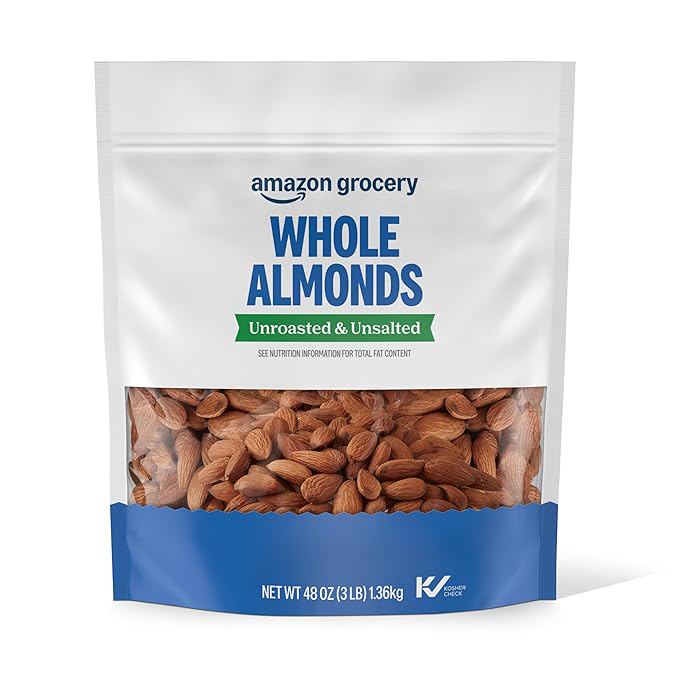
A Handful of Tart Cherries and Almonds
Tart cherries are one of the few natural food sources of melatonin. Pairing them with almonds, which provide magnesium and healthy fats, creates a simple, balanced snack. Magnesium is known to support relaxation and may help reduce nighttime muscle cramps. A small bowl of frozen or dried tart cherries (without added sugar) and a few almonds is just right.
Banana with a Spoonful of Almond Butter
Bananas contain potassium and magnesium, both of which can help relax muscles and nerves. A thin layer of almond butter adds protein, healthy fat, and a small amount of tryptophan. The combination is satisfying enough to curb hunger without being heavy.
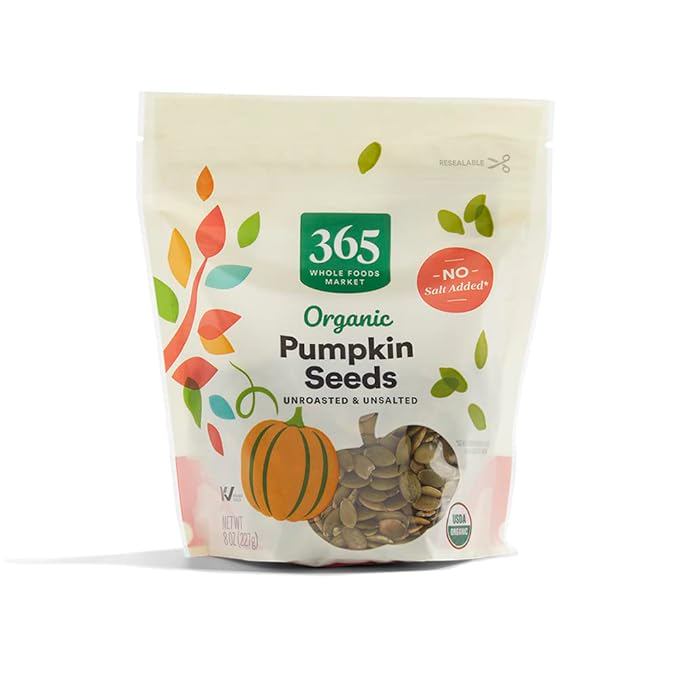
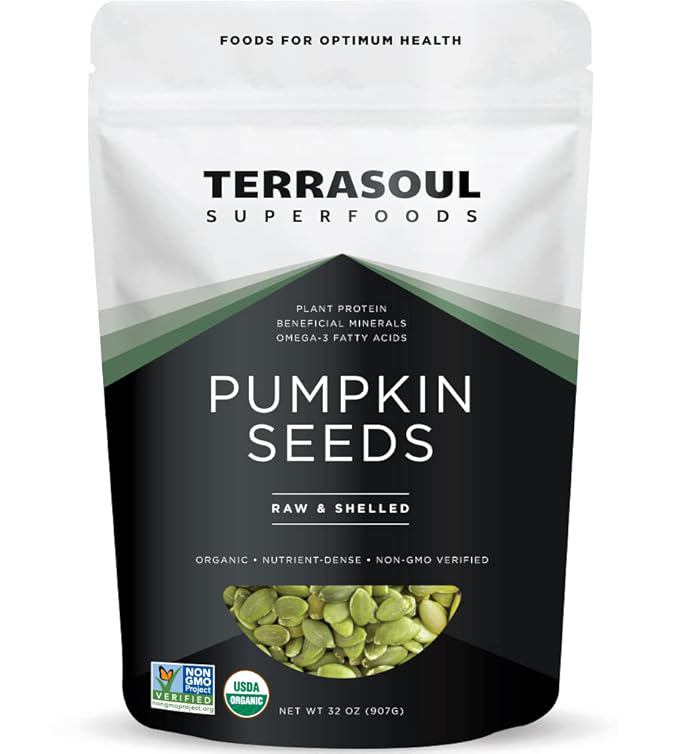
Plain Yogurt with Pumpkin Seeds
Plain yogurt is rich in calcium, which helps the brain use tryptophan to produce melatonin. A tablespoon of pumpkin seeds adds zinc and more magnesium. If you prefer a bit of sweetness, add a few slices of fresh peach or a sprinkle of cinnamon—no added sugar necessary.
Warm Oatmeal with a Dash of Cinnamon
Oats provide complex carbohydrates and a small amount of melatonin. A warm bowl made with water or milk, topped with a pinch of cinnamon (which may help stabilize blood sugar), can be surprisingly soothing before bed. Keep the portion small—about one-quarter to one-third cup of dry oats, cooked.
What to Avoid in the Hour Before Bed
Some foods and drinks can work against your goal of restful sleep. It's not about never having them, but being mindful of timing.
Steer clear of these close to bedtime: spicy foods, heavy or fried meals, chocolate (especially dark, which contains caffeine), sugary desserts, and anything with high amounts of caffeine or alcohol.
Alcohol is a particularly tricky one. It may help you fall asleep faster, but it often disrupts the second half of the night, leading to more awakenings and less REM sleep.
Listen to Your Body
Everyone reacts differently to foods before bed. Some people find that a small snack improves their sleep, while others sleep better on an empty stomach. Pay attention to how you feel in the morning. If you wake up groggy or with a dry mouth, it could be a sign that your late-night choice didn't sit well.
A good approach is to experiment for a few nights with one of the snack ideas above. Keep a simple journal noting what you ate and how you felt the next day. Over time, you'll learn which combinations work best for your body.
Choosing a pre-bed snack doesn't need to be complicated. By focusing on small portions of whole foods that combine complex carbs with protein or healthy fat, you can support stable blood sugar throughout the night and give your brain the raw materials it needs for deep sleep. Calm mornings often start with the quiet choices made the night before.