
If you regularly find yourself lying awake, mind racing, you already know how deeply stress and poor sleep feed each other. What many people overlook is that the snacks and drinks you reach for in the evening can directly fuel that cycle. Certain foods and beverages act as hidden disruptors, keeping your nervous system on high alert when it should be winding down.
Adjusting what you eat—especially in the hours before bed—can make a tangible difference for both your stress levels and sleep quality. Here are five specific foods and drinks to avoid before bed if you deal with stress and restless nights.
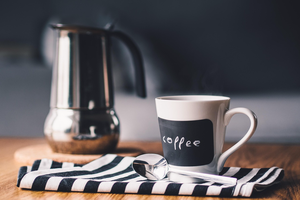
Coffee and caffeinated drinks
Caffeine is a well-known stimulant, but its effects last far longer than most people realize. Even a moderate cup of coffee consumed six hours before bed can significantly reduce total sleep time. Caffeine blocks adenosine, a chemical that promotes sleepiness, and it raises cortisol, the body's primary stress hormone. If you struggle with anxiety and poor sleep, a latte or iced coffee in the evening is working against you. That includes espresso-based drinks, cold brew, and even some higher-caffeine teas like black or green tea. A general rule is to avoid all caffeine for at least six to eight hours before your planned bedtime.
Dark chocolate
Dark chocolate is often praised for its antioxidants, but it also contains both caffeine and theobromine, a compound that can increase heart rate and promote alertness. The darker the chocolate, the higher the concentration of these stimulants. A small square after dinner might seem harmless, but for someone prone to stress or insomnia, it can be enough to keep the brain buzzing. If you crave something sweet in the evening, look for options without cocoa solids or stimulant compounds.
Spicy foods
Spicy meals can interfere with sleep in two ways. First, capsaicin—the compound that gives chili peppers their heat—can raise core body temperature. A drop in core temperature is a key signal for the body to enter sleep, and spicy foods can delay or disrupt that natural cooling process. Second, spicy foods are a common trigger for acid reflux or heartburn, especially when you lie down shortly after eating. The discomfort and irritation can keep you awake or pull you out of deep sleep. If you love heat, try to eat spicy dishes earlier in the day rather than at dinner.
Alcohol
Alcohol has a deceptive effect on sleep. A glass of wine or a beer may make you feel drowsy initially, but alcohol metabolism fragments the second half of the night, reducing REM sleep and increasing nighttime awakenings. It also acts as a diuretic, leading to bathroom trips that interrupt sleep further. For people already dealing with stress, alcohol can amplify anxiety as it wears off, leading to a restless, low-quality night. There is no amount of alcohol that improves sleep; even moderate drinking before bed tends to hurt more than it helps.
Heavy or high-fat meals
A large, rich meal late at night forces your digestive system to work overtime while your body should be resting. Fatty foods take longer to digest, and lying down can cause discomfort, bloating, and acid reflux. That discomfort can raise stress levels and make it harder to fall asleep. Meals high in saturated fat have also been linked to lighter, less restorative sleep with more frequent awakenings. Try to finish dinner at least three to four hours before bed, and keep evening portions moderate and lighter.
What to eat instead
Not all bedtime snacks are problematic. Certain foods may actually support sleep by providing tryptophan, magnesium, or melatonin. A small banana, a handful of almonds, or a warm glass of milk are all gentle options that do not stimulate the nervous system. Chamomile or lavender tea can also be a helpful ritual. The goal is to give your body what it needs to transition into rest mode without introducing compounds that work against that process.
This content is for informational and educational purposes only. It is not a substitute for professional medical advice, diagnosis, or treatment. Always speak with a qualified healthcare provider about your sleep and stress concerns.