For years, the advice was simple: don't eat after dinner. The idea that late-night snacks lead to weight gain and restless sleep has been repeated so often it feels like fact. But modern nutrition science—and the dietitians who interpret it—tells a more nuanced story. What you eat, how much you eat, and when you eat it can either sabotage your sleep or actively support it.
Rather than a blanket rule against eating before bed, many registered dietitians now focus on the concept of strategic eating. A small, balanced snack can actually lower cortisol (the stress hormone) and help regulate blood sugar overnight. The key is knowing which foods promote relaxation and which ones keep you wired.
Why a rigid "no food after 7 PM" rule backfires
A strict cut-off time sounds clean and disciplined, but it often backfires. When people hit a hard stop at 7 or 8 p.m., they typically go to bed hungry. Hunger is a physiological stressor. Low blood sugar triggers the release of cortisol and adrenaline—both of which are the opposite of what you need for restful sleep.
Dietitians point out that going to bed moderately hungry can also lead to middle-of-the-night wake-ups, as your body signals for fuel. Instead of a hard rule, the better approach is to tune into genuine physical hunger. If you are truly hungry an hour before bed, a small snack (150–200 calories) is unlikely to cause harm and may improve sleep quality.
The best pre-bed foods for sleep and stress
Not all snacks are created equal. The ideal bedtime snack combines complex carbohydrates with a small amount of protein or healthy fat. Carbs help make tryptophan (an amino acid) more available to the brain, where it is converted into serotonin and then melatonin. Protein provides the actual building blocks for those neurotransmitters.
Some of the most effective options according to dietitians include:
- Banana with almond butter — Bananas provide magnesium and potassium (both help relax muscles), plus carbs. The almond butter adds a small dose of protein and healthy fat.
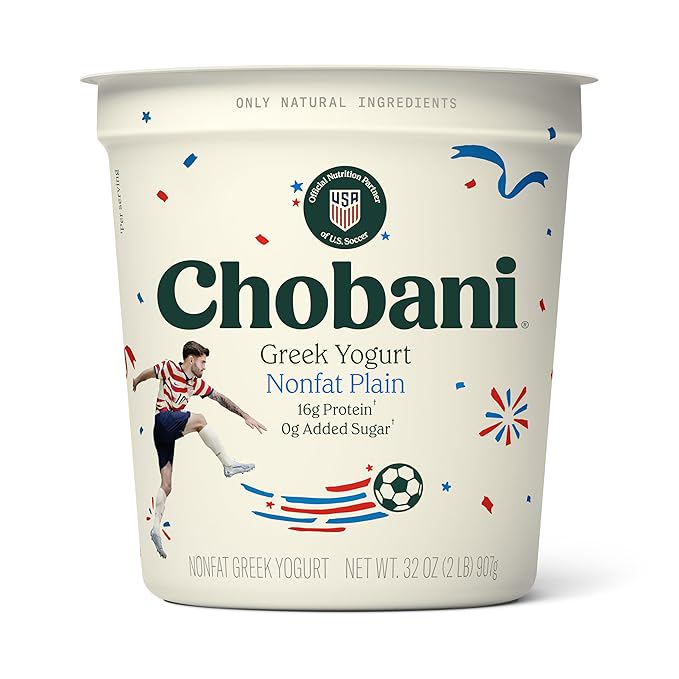
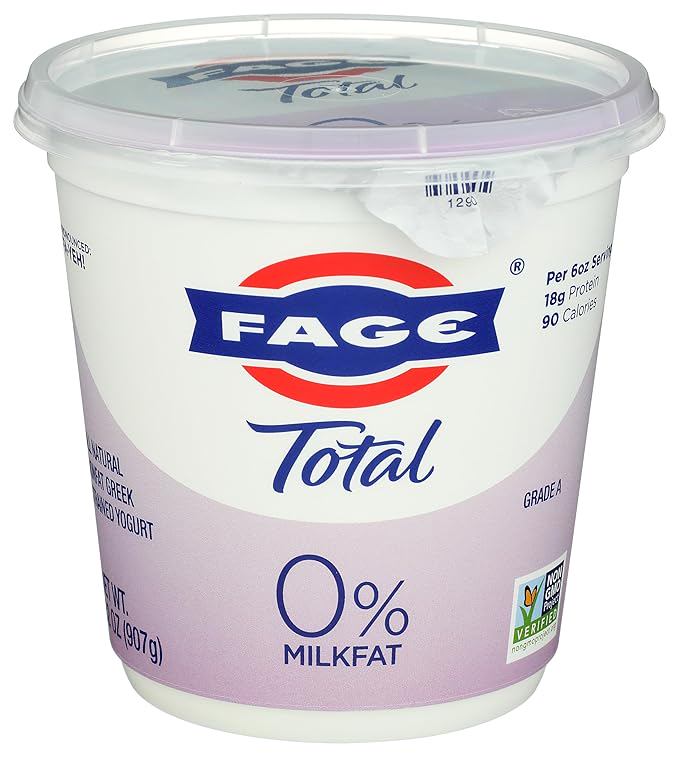
- Plain Greek yogurt with berries — Yogurt contains calcium, which helps the brain use tryptophan, while berries offer antioxidants that reduce inflammation.
- A small bowl of oatmeal (not the sugary instant kind) — Oats are a source of melatonin and complex carbs that sustain blood sugar overnight.
- Cherries or tart cherry juice — Tart cherries are one of the few natural food sources of melatonin, the hormone that regulates the sleep-wake cycle.
A simple test: if the snack makes you feel satisfied but not stuffed, and you can fall asleep within 30 minutes, it is likely a good choice for your body.
Foods that can sabotage sleep and increase stress
Just as some foods help, others work against your goal. Heavy, greasy, or spicy meals close to bedtime are almost universally discouraged by dietitians. They take longer to digest, which can cause acid reflux and keep your body in a more active metabolic state when it should be winding down.
Caffeine is an obvious one, but the cutoff time matters more than people think. A 2023 study found that caffeine consumed even six hours before bed can significantly disrupt sleep. For sensitive individuals, that means your afternoon iced coffee or even dark chocolate (which contains a small amount of caffeine) could be undermining your rest.
Alcohol is another tricky one. It helps some people fall asleep faster, but it reduces REM sleep and causes more frequent nighttime awakenings. Dietitians broadly agree: if you are drinking alcohol, keep it moderate and stop at least two hours before bed.
Portion control and timing
Even healthy foods can become problematic in large quantities. A full meal right before bed shifts the body's energy toward digestion rather than repair. The general guidance from dietitians is to finish any full meal at least two to three hours before sleeping. A snack, if needed, should happen within that final hour—not at 3 a.m.
Hydration also matters. Drinking a glass of water with a snack is fine, but downing a large amount of liquid right before bed increases the likelihood of waking up for a bathroom trip. Sip, don't guzzle.
Stress and the bedtime snack ritual
There is also a behavioral component. Rushing to eat a snack while standing at the kitchen counter sends a different signal to the nervous system compared with sitting down, taking a few slow bites, and turning off screens. Dietitians often recommend using the pre-bed snack as a calming ritual—pairing it with a cup of herbal tea (chamomile or peppermint), dim lighting, and no phone scrolling.
The ritual itself helps lower cortisol. When the body associates a particular food and setting with safety and relaxation, the nervous system starts to downshift before the food even hits your stomach.
Individual variability matters
No single bedtime snack works for everyone. Someone with acid reflux may find that even a small banana triggers symptoms. Someone with anxiety might need more protein at night to stabilize blood sugar. The best approach is to experiment with a few options, observe how you sleep, and adjust.
If you have a condition such as diabetes or GERD, it is smart to talk with a dietitian or your healthcare provider before changing your evening eating habits. The general principles are a useful starting point, but your individual health profile will determine what works best.
The bottom line from the experts: eating before bed is not inherently bad. A thoughtful, small, nutrient-balanced snack can help you sleep better and wake up less stressed—as long as it is the right food at the right time.