If you’re navigating the world of oily skin, you’ve likely tried countless creams, cleansers, and routines. But the journey to a more balanced complexion might start much closer to home—in your glass. What you drink can subtly influence your skin’s oil production, either calming it down or inadvertently revving it up.
It’s not about a single magic potion, but rather understanding how everyday beverages interact with your body’s complex systems. From hydration levels to hormonal triggers, the liquids you choose can be a simple yet powerful part of your skincare strategy. Let’s explore which drinks to embrace and which to approach with caution for a less oily, more radiant look.
How do drinks actually affect oily skin?
Your skin is an organ, and like every other part of your body, it’s deeply influenced by what you consume. Beverages impact oil production through a few key pathways. Primarily, they affect your hydration status. When you’re well-hydrated, your skin maintains a healthier barrier function, which can help regulate oil output. Dehydration, on the other hand, can signal your skin to produce more oil to compensate for the lack of moisture.
Beyond simple hydration, some drinks influence hormone levels, particularly insulin and cortisol. Spikes in these hormones can stimulate the sebaceous glands to produce more sebum—the technical term for skin oil. Other beverages contain compounds that may promote inflammation, which can exacerbate oiliness and lead to clogged pores. It’s a gentle, cumulative effect, where consistent choices create the backdrop for your skin’s behavior.
Beverages to embrace
These drinks support your skin from the inside out, primarily by promoting balance and reducing triggers for excess oil.
Water: The fundamental flush
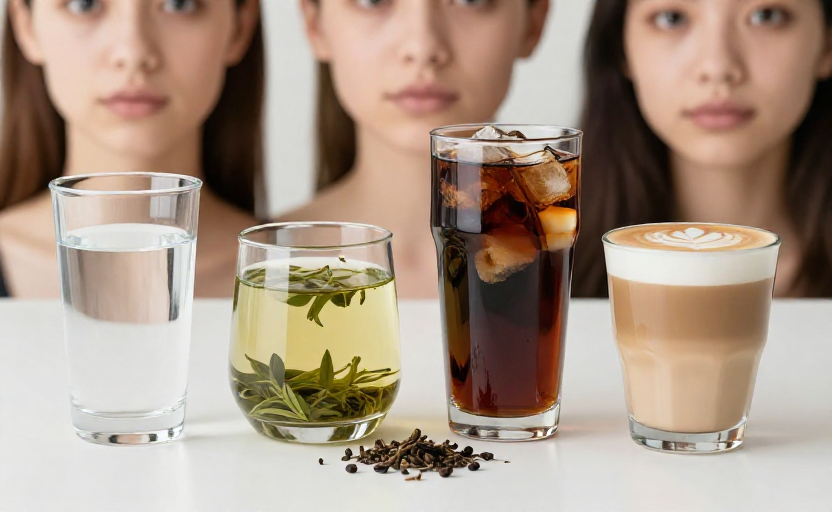
It seems almost too simple, but pure, plain water is the cornerstone of any skin-friendly regimen. Adequate hydration helps your body flush out toxins and ensures your skin cells are plump and functioning optimally. Think of it as diluting the system; when your body is sufficiently hydrated, there’s less need for your skin to overproduce oil to create a protective layer. Aim to sip consistently throughout the day, not just when you feel thirsty.
Carry a reusable bottle as a visual reminder. If plain water feels boring, try adding a slice of cucumber, a few mint leaves, or a twist of lemon for flavor without sugar.
Green tea: The antioxidant ally
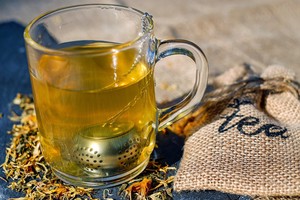
Green tea is rich in polyphenols, particularly epigallocatechin gallate (EGCG), a powerful antioxidant with noted anti-inflammatory properties. By helping to calm systemic inflammation, green tea can create a less reactive environment in your skin. Some research also suggests its compounds may help moderate androgen activity, which is linked to sebum production. Enjoy it warm or cold, but skip heaping spoonfuls of sugar.
Spearmint tea: A hormonal harmonizer
This herbal tea has garnered attention for its potential anti-androgenic effects. Androgens are hormones that can accelerate oil gland activity. Preliminary studies, particularly in women with hormonal acne, suggest spearmint tea may help gently lower androgen levels, leading to a reduction in oiliness. It’s a soothing, caffeine-free option to incorporate in the evening.
Vegetable-based smoothies (low-sugar): The nutrient boost
Blending water-rich vegetables like cucumber, spinach, or celery with a small portion of low-glycemic fruit (like berries) creates a drink packed with skin-supportive vitamins and minerals. The key is to minimize added sugars and sweet fruits. These nutrients support overall skin health and repair, while the high water and fiber content helps with hydration and stable blood sugar—both factors in managing oil production.
Beverages to be mindful of
Moderation is key here. You don’t necessarily need to eliminate these entirely, but being aware of their effects can help you make informed choices.
Sugary drinks and sodas: The inflammatory trigger
This category includes soft drinks, sweetened coffees and teas, energy drinks, and many fruit juices. The high sugar load causes a rapid spike in blood sugar and insulin. This insulin spike can increase androgen activity and inflammation, both of which signal your oil glands to go into overdrive. The result is often more shine and a higher risk of clogged pores.
Dairy milk (for some individuals): A potential agitator
The link between dairy and oily skin or acne isn’t universal, but it’s significant for many. Cow’s milk contains hormones and growth factors that may interact with our own. It’s also thought to increase insulin-like growth factor 1 (IGF-1), which can stimulate oil production. If you suspect dairy affects your skin, try swapping to unsweetened almond, oat, or coconut milk for a few weeks to observe any changes.
Alcohol: The dehydrator
Alcohol is a diuretic, meaning it pulls water out of your body, leading to systemic dehydration. Your skin responds to this deficit by producing more oil. Furthermore, alcohol can dilate blood vessels, leading to redness and inflammation, and it often disrupts sleep—another crucial factor for skin repair and balance. If you do drink, alternate with glasses of water and stick to lower-sugar options.
Excessive caffeine: The stress mimic
While a morning coffee is fine for most, overdoing caffeine (from coffee, energy drinks, or strong tea) can be problematic. High doses can increase cortisol, your body’s primary stress hormone. Elevated cortisol can directly stimulate sebum production. Caffeine is also a mild diuretic. Enjoy your cup, but balance it with plenty of water and avoid using it as a crutch for poor sleep.
Building a skin-friendly drinking routine
Shifting your habits doesn’t require a drastic overhaul. Start by adding one positive choice before you subtract anything. Begin your day with a large glass of water before any other beverage. Make a habit of keeping a water bottle at your desk. Swap one sugary afternoon drink for a cup of herbal tea. Pay attention to how your skin feels a few hours after you consume certain beverages—it often sends subtle signals.
Remember, what you drink is one piece of a larger puzzle that includes a balanced diet, effective skincare, stress management, and quality sleep. No beverage will “cure” oily skin overnight, but consistent, hydrating, and anti-inflammatory choices can create an internal environment where your skin is better equipped to find its natural balance.