Joint stiffness can make everyday movements feel harder than they should be. While there’s no magic cure, choosing the right beverages may help calm inflammation and support joint comfort. Dietitians often point to three drinks backed by research and tradition. Here’s what to sip for less stiffness — and why these choices work.
Why what you drink matters for joint health
Inflammation is at the root of many cases of joint stiffness and discomfort. Certain foods and beverages contain compounds that can dampen inflammatory pathways in the body. Staying hydrated also keeps joints lubricated, since cartilage is mostly water. On the flip side, sugary sodas and excess alcohol can promote inflammation, making stiffness worse. Swapping those out for targeted anti-inflammatory drinks is a simple, low-risk step worth trying.
1. Tart cherry juice
Tart cherry juice has become a favorite among athletes and people with arthritis for good reason. It’s rich in anthocyanins — pigments that give cherries their deep red color — which have been shown to reduce inflammatory markers like C-reactive protein. Some small studies suggest drinking tart cherry juice daily for several weeks can lessen joint pain and stiffness, particularly in people with osteoarthritis.
Look for unsweetened tart cherry juice to avoid added sugar, and aim for about 8 ounces a day unless your healthcare provider advises otherwise. You can also mix it with sparkling water for a refreshing alternative.
2. Green tea
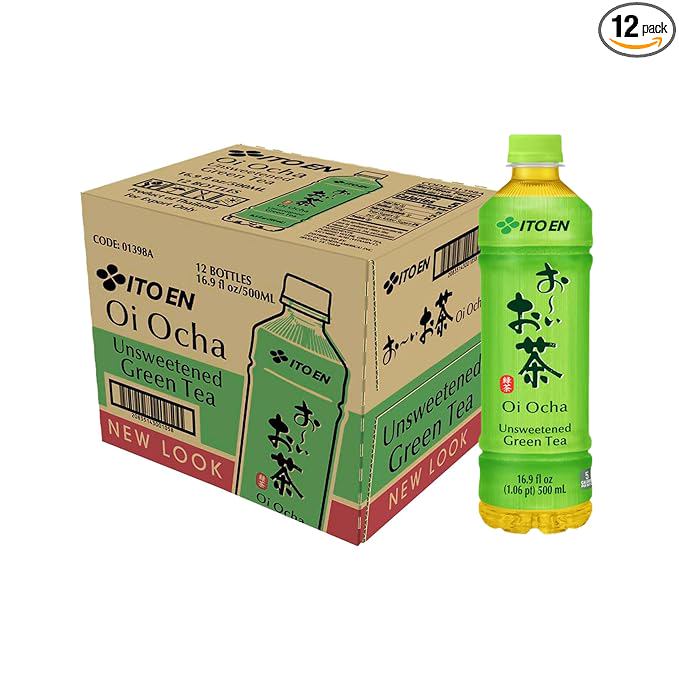
Green tea is one of the most studied beverages for overall health, and its benefits for joints are notable. It contains a powerful antioxidant called epigallocatechin-3-gallate (EGCG), which can inhibit the production of certain molecules that cause joint inflammation and cartilage damage. Research suggests that regular green tea consumption may help slow the progression of rheumatoid arthritis and reduce stiffness.
For maximum benefit, brew fresh green tea and drink it warm or iced — just avoid adding too much sugar or cream. Matcha, a concentrated powdered form of green tea, offers even more EGCG per serving.
3. Ginger tea
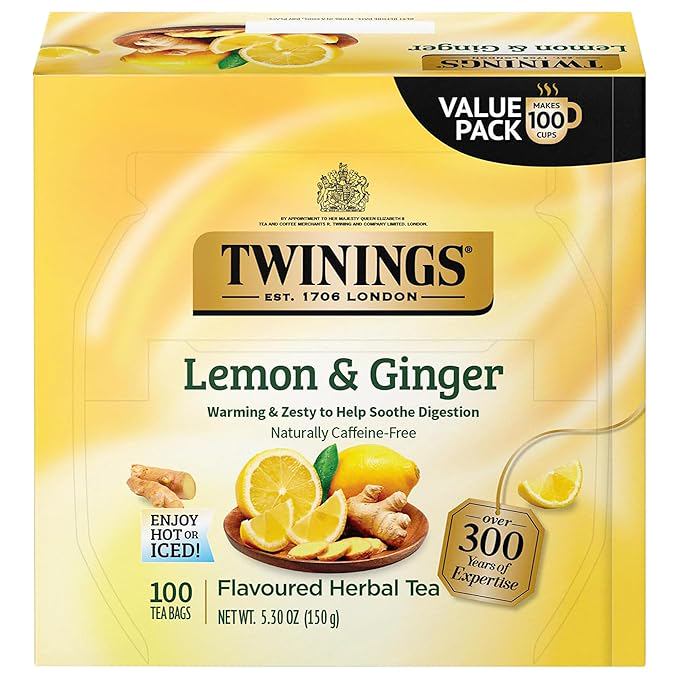
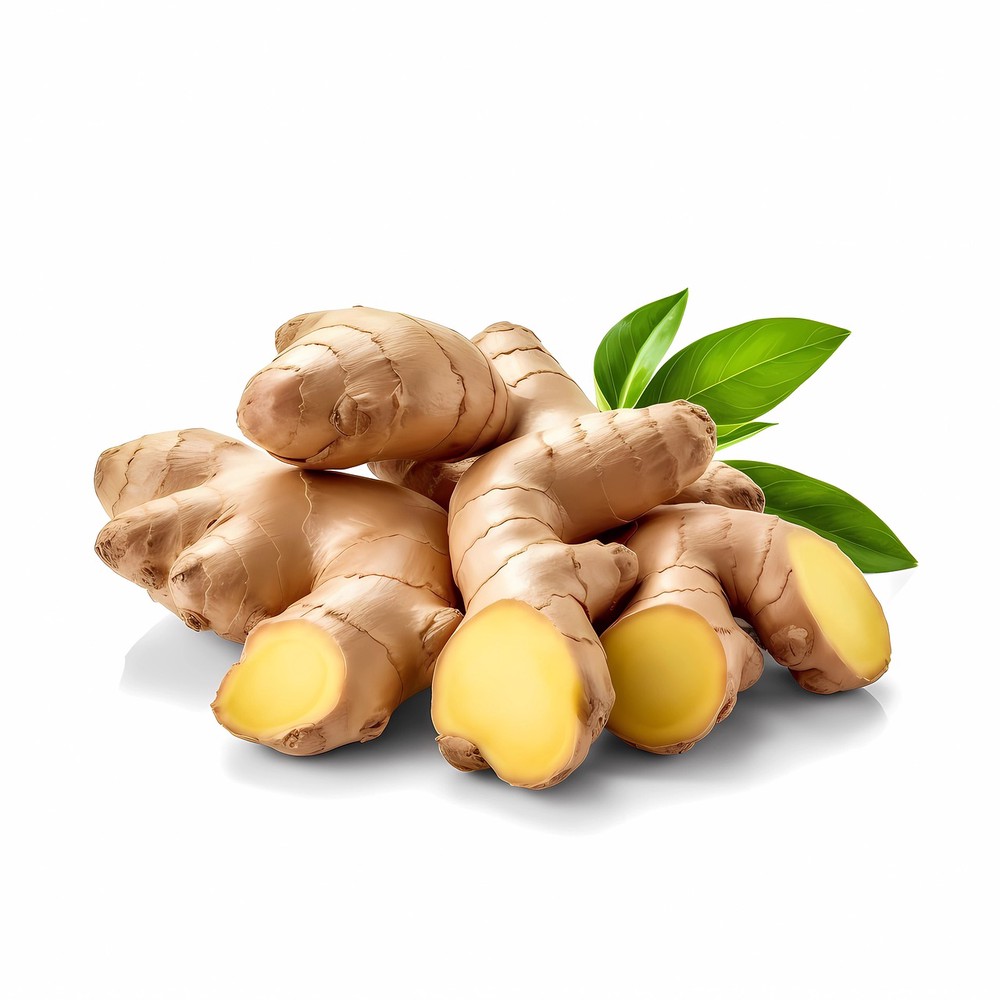
Ginger has been used for centuries in traditional medicine to soothe aching joints. Its active compounds, gingerols and shogaols, work similarly to non-steroidal anti-inflammatory drugs but with fewer side effects. Several clinical trials have found that ginger extract can reduce knee pain and stiffness in people with osteoarthritis.
You can make ginger tea by steeping fresh sliced ginger root in hot water for 10 minutes. Add a squeeze of lemon and a touch of honey if desired. Two to three cups a day is a common recommendation for supporting joint comfort.
How they compare at a glance
Here’s a quick summary of what each drink offers:
- Tart cherry juice — high in anthocyanins; best for osteoarthritis and post-exercise stiffness.
- Green tea — rich in EGCG; may help with both osteoarthritis and rheumatoid arthritis.
- Ginger tea — contains gingerols; traditional remedy for general joint aches and stiffness.
Tips for making these drinks part of your routine
- Start with one drink at a time to see how your body responds.
- Choose unsweetened versions whenever possible — added sugar can counteract anti-inflammatory benefits.
- Pair these beverages with an overall anti-inflammatory diet that includes vegetables, fruits, healthy fats, and fish.
- Stay consistent: benefits for joint stiffness typically appear after several weeks of regular intake.
Important: These beverages are not a replacement for medical treatment. If you have a chronic joint condition, talk with your doctor or a dietitian before making significant changes to your diet.