
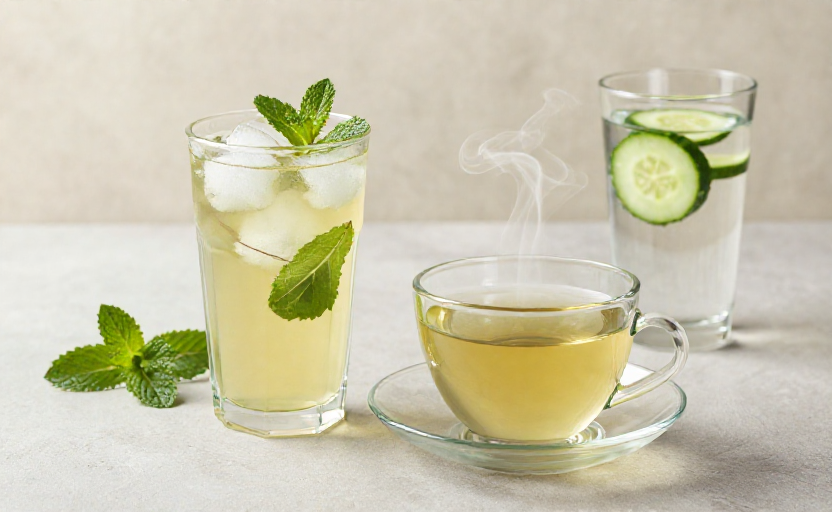
When you're navigating life with acne-prone skin, you know the routine: the careful cleansing, the spot treatments, the search for the perfect non-comedogenic moisturizer. But what you pour into your glass each day is a part of your skincare routine that often gets overlooked. Hydration and the specific compounds in what you drink can subtly influence inflammation, hormone balance, and your skin's overall resilience.
While no beverage is a magic eraser for blemishes, making mindful choices can support your skin from the inside out. It's about creating an internal environment where your skin can thrive, reducing factors that might contribute to clogged pores and redness. Let's explore a few key drinks that can be allies in your journey toward clearer, calmer skin.
How do drinks actually affect acne?
Acne is a complex condition driven by factors like excess oil production, clogged pores, bacteria, and inflammation. What you consume doesn't directly cause acne, but it can influence these underlying mechanisms. Sugary drinks, for instance, can cause spikes in blood sugar and insulin, which may increase oil production and inflammation. Conversely, beverages rich in antioxidants and anti-inflammatory compounds can help quiet the inflammatory signals that make breakouts red and angry.
Think of your skin as a reflection of your internal health. Chronic, low-grade inflammation in the body can manifest on your skin. The goal with your drink choices isn't to treat acne medically, but to provide foundational, supportive nutrition that helps your skin better manage its daily challenges.
Green tea: The anti-inflammatory ally
For acne-prone skin, green tea is a standout. Its benefits are largely attributed to catechins, particularly one called epigallocatechin gallate (EGCG). This powerful antioxidant has been studied for its ability to reduce inflammation and combat oxidative stress—two key players in acne.
Some research suggests that EGCG may also help reduce sebum (oil) production when applied topically, and while drinking it has a more systemic effect, the anti-inflammatory benefits are clear. A calmer internal state often means calmer skin.
Opt for freshly brewed, unsweetened green tea to get the full benefit without the skin-stressing sugar.
Making it a daily habit is simple. Brew a pot in the morning and let it cool to sip throughout the day, or enjoy a warm cup in the afternoon. Iced green tea (again, sans sugar) is a wonderfully refreshing alternative. The mild, slightly grassy flavor becomes a comforting ritual.
Spearmint tea: A hormonal soother
For those whose acne seems tied to hormonal fluctuations—often appearing along the jawline and chin—spearmint tea has garnered particular interest. Unlike its cousin peppermint, spearmint contains compounds that may have a mild anti-androgenic effect, meaning it might help moderate the influence of hormones that can stimulate oil glands.
It's crucial to frame this correctly: this is not a treatment or a cure for hormonal acne. It's a gentle, supportive beverage that some find helpful as part of a broader approach. The research is promising but preliminary, and it highlights spearmint's potential role in a holistic lifestyle.
The taste is mild, sweet, and universally pleasant. Drinking a cup or two daily is generally considered safe for most people, but as with any herb, moderation is key. It’s a peaceful, aromatic pause in your day that might just offer your skin a bit of balance.
Simple, clean water: The ultimate hydrator
It seems almost too obvious, but water's role is so fundamental it must be emphasized. Proper hydration supports every function in your body, including skin health. Well-hydrated skin maintains a better barrier function, which can help protect against irritants and may support healing.
When you're dehydrated, your skin can become more prone to irritation and may even compensate by producing more oil. While drinking water won't "flush out" acne, consistent hydration ensures your skin cells function optimally and your body can efficiently transport nutrients and clear waste.
The goal isn't to force down gallons, but to drink consistently throughout the day. If plain water feels like a chore, try infusing it with slices of cucumber, a few berries, or a sprig of fresh mint for flavor without sugar or artificial additives.
What to limit or avoid
Knowing what to include is half the story; being mindful of what might aggravate your skin is the other. Two common culprits are worth considering.
Sugary drinks and dairy: The link between diet and acne is highly individual, but many people with acne-prone skin notice improvements when they reduce their intake of high-sugar beverages like soda, sweetened coffee drinks, and even fruit juices. The rapid sugar spike can promote inflammation. Similarly, some individuals find that skim or whole milk exacerbates their breakouts, though this is not universal. Paying attention to your own skin's signals after consumption is your best guide.
Alcohol: Alcohol is dehydrating and can be inflammatory for the body. It can also disrupt sleep, and poor sleep is a known trigger for increased stress hormones and inflammation—neither of which are friends to clear skin. This doesn't mean you can never enjoy a drink, but being mindful of frequency and ensuring you balance it with plenty of water is a smart approach for skin health.
Building a skin-supportive routine
Incorporating these drinks isn't about a strict regimen, but about creating healthier defaults. Start your morning with a glass of water before coffee. Swap an afternoon soda for iced green tea. Wind down in the evening with a cup of spearmint tea instead of a sugary snack.
Remember, what you drink works in concert with everything else: a balanced diet rich in whole foods, a consistent skincare routine suited to your skin type, stress management, and good sleep. Beverages are one supportive piece of that puzzle. Be patient and observant; give any change a few weeks to see how your skin responds. Your clearest skin is built on consistent, caring habits, one sip at a time.