
You already know that late-night pizza and a sugar-loaded soda can show up on your face. But what about the beverages you reach for every single day? When it comes to managing breakouts, what you sip matters almost as much as what you eat. The connection between your gut, your hormones, and your skin is real — and the right drink choices can help calm inflammation without you having to overhaul your whole routine.
Here are two simple, effective swaps that focus on what to drink for clearer skin, backed by what we know about nutrition and acne.
Swap 1: Replace Sugary Soda and Juice with Water (Or Mint Tea)
This is the most impactful change you can make. High-glycemic drinks — think regular soda, sweetened iced tea, fruit punch, and even many bottled smoothies — cause a rapid spike in blood sugar. That spike triggers a cascade of insulin and insulin-like growth factor (IGF-1), which signals your oil glands to rev up and your skin cells to multiply faster. More oil plus more dead skin cells equals clogged pores and breakouts.
One 12-ounce can of cola contains about 39 grams of added sugar. For context, the American Heart Association recommends no more than 36 grams per day for men and 25 grams for women. One drink can wipe out your entire sugar budget, and your skin often pays the price.
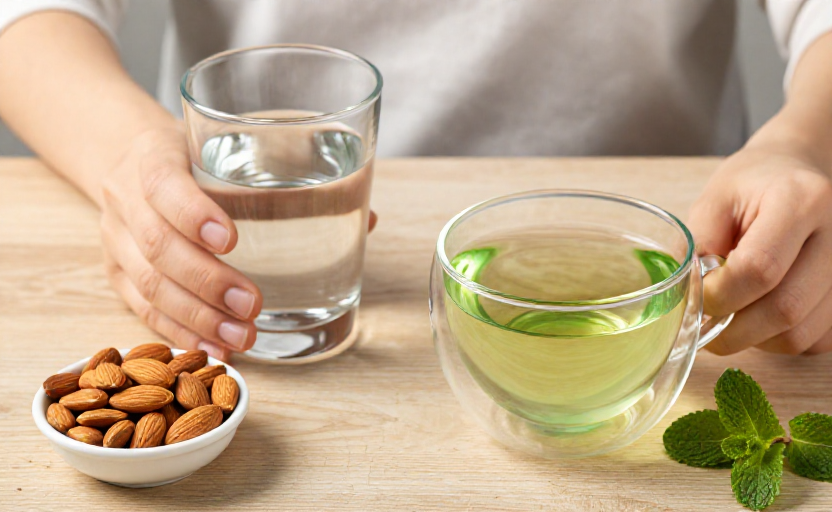
Your best bet is plain, still water. It hydrates your skin cells, helps flush toxins, and keeps your body’s systems running smoothly. If plain water feels boring, try:
- Infused water: Add cucumber slices, a few mint leaves, or frozen berries for subtle flavor without sugar.
- Herbal mint tea: Peppermint tea has a naturally sweet taste and zero sugar. Some small studies suggest spearmint tea may have a mild anti-androgen effect, which could help reduce hormonal acne — but the evidence is still preliminary, so think of it as a pleasant bonus rather than a cure.
Giving up your daily soda or juice habit can feel like a loss, but most people find they stop craving the sweetness after about a week. Your skin will likely look calmer and less inflamed within a few weeks of consistent hydration with low-glycemic beverages.
Swap 2: Switch Cow’s Milk for Unsweetened Almond Milk or Oat Milk
Dairy is a well-recognized trigger for acne in many people, especially skim milk. Why? Milk contains natural hormones (even organic milk) and can boost IGF-1 levels in the body, which we already know can increase sebum production and skin cell turnover. One large 2016 study published in the Journal of the American Academy of Dermatology found that teenagers who drank skim milk had a 24% higher risk of developing acne compared to those who avoided it.
If you’re a cereal-at-breakfast person or a latte lover, switching to a plant-based milk can make a real difference. The key is picking the right plant milk. Many flavored almond and oat milks have added sugar, which defeats the purpose. Look for “unsweetened” on the label.
- Unsweetened almond milk: Low in sugar (usually less than 1 gram per cup) and has a light, neutral taste that works well in coffee and smoothies.
- Unsweetened oat milk: Slightly creamier, with no added sugar if you buy the right brand. It froths well for lattes.
A quick note on calcium: If you completely cut out dairy, make sure you’re getting calcium from other sources like leafy greens, fortified plant milks, or a supplement (if your doctor recommends it). But for skin clarity, this swap is often worth it.
What About Coffee, Green Tea, and Kombucha?
You might wonder whether your morning coffee is sabotaging your skin. For most people, black coffee itself is not a major acne trigger. The problem is what you put in it — sugar, flavored syrups, and creamy dairy. A splash of unsweetened almond milk is fine.
Green tea is actually a great choice for skin. It contains antioxidants called catechins, which can reduce inflammation and may help lower sebum production when consumed regularly. Do not add sugar, and you have an acne-friendly drink.
Kombucha is a mixed bag. While it’s a source of probiotics that support gut health, some brands pack 10 to 15 grams of sugar per serving. If you love kombucha, look for a low-sugar variety (5 grams or less per bottle) and treat it as an occasional drink, not a daily staple.
How Long Until You See Results?
Skin changes take time — usually at least four to six weeks after a dietary shift. You are not looking for overnight magic. Instead, pay attention to gradual reductions in whiteheads, fewer inflammatory cysts, and a less oily complexion overall. Consistency matters more than perfection. If you slip up and have a soda one day, just go back to water or mint tea the next.
These two swaps — cutting sugary drinks and switching to unsweetened non-dairy milk — are simple, low-cost changes with no side effects. They give your skin a fighting chance by reducing two of the biggest dietary triggers: high-glycemic sugar and hormonal dairy. Give them a fair trial for a month, and see what your reflection says.