
When it comes to achieving a more even, glowing complexion, most of us think first about serums and sunscreens. But what you put in your body may matter just as much as what you put on it. While no drink is a magic eraser for dark spots, certain beverages contain compounds that support your skin's natural repair processes and may help fade hyperpigmentation over time.
Below are five science-backed drinks that have shown promise for brightening skin and reducing unwanted pigmentation. Remember: consistency and sun protection are key partners to any internal approach.
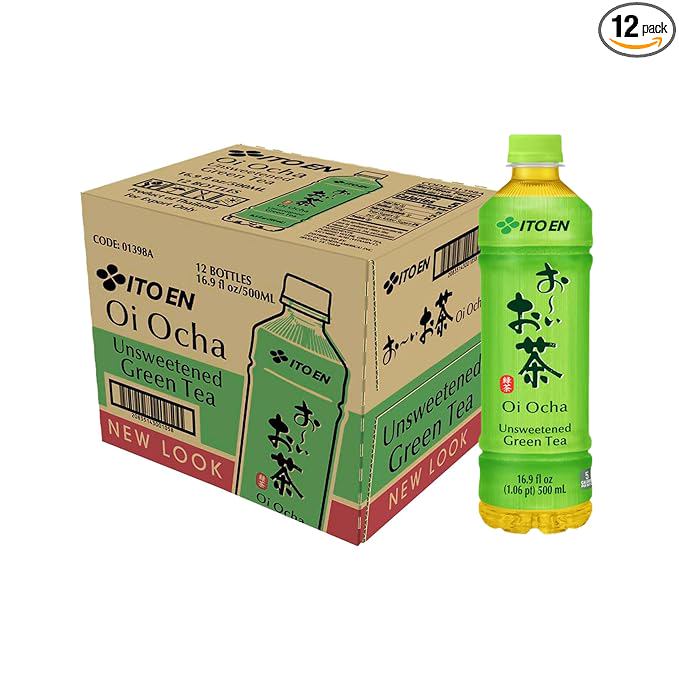
Green tea: A gentle antioxidant powerhouse
Green tea is rich in catechins, particularly epigallocatechin gallate (EGCG), a compound that helps calm inflammation and may inhibit the enzyme tyrosinase. Tyrosinase plays a key role in melanin production, so keeping it in check can help prevent new dark spots from forming.
A 2017 review in Phytotherapy Research noted that topical and oral green tea preparations showed depigmenting effects in several studies. While most clinical work has focused on topical application, drinking 2–3 cups of unsweetened green tea daily is a low-risk habit that supports overall skin health.
Tip: For maximum antioxidant benefit, brew fresh tea rather than using bottled versions, which often contain added sugars and fewer active polyphenols.
Tomato juice: Lycopene for photo-protection
Tomatoes are the richest dietary source of lycopene, a carotenoid that helps protect skin from UV-induced damage. Sun exposure is a primary trigger for hyperpigmentation, so anything that bolsters your skin's natural defense is worth considering.
A small 2011 study in the British Journal of Dermatology found that participants who consumed tomato paste (55 g daily) had 33% more protection against sunburn after 12 weeks, compared to controls. While tomato juice isn't a substitute for SPF, including it in your diet may help your skin better handle sun exposure.
Opt for low-sodium tomato juice or blend fresh tomatoes yourself to avoid added salt and preservatives.
Carrot juice: Beta-carotene for even tone
Carrots are loaded with beta-carotene, which the body converts to vitamin A. Vitamin A supports skin cell turnover and can help fade pigmentation by encouraging the shedding of pigmented cells.
One cup of carrot juice provides over 450% of your daily vitamin A needs in the form of provitamin A carotenoids. Diets high in fruits and vegetables rich in beta-carotene have consistently been associated with a warmer, more golden skin tone — not to be confused with the orange discoloration seen with extreme overconsumption (carotenemia), which is rare and harmless.
Tip: Pair carrot juice with a small amount of healthy fat (like a handful of almonds) to improve absorption of fat-soluble beta-carotene.
Lemon water: Vitamin C for collagen support
Lemon water is a simple, hydrating way to add vitamin C to your day. Vitamin C is essential for collagen synthesis and also acts as a tyrosinase inhibitor, meaning it can interfere with melanin production.
Dietary vitamin C has been linked to reduced photoaging and a more even complexion. However, the concentration in lemon juice is relatively low compared to targeted supplements or topical serums, so think of lemon water as a supporting player rather than a stand-alone solution.
One caution: The citric acid in lemon juice can erode tooth enamel over time. Drink through a straw and rinse your mouth with plain water afterward to protect your teeth.
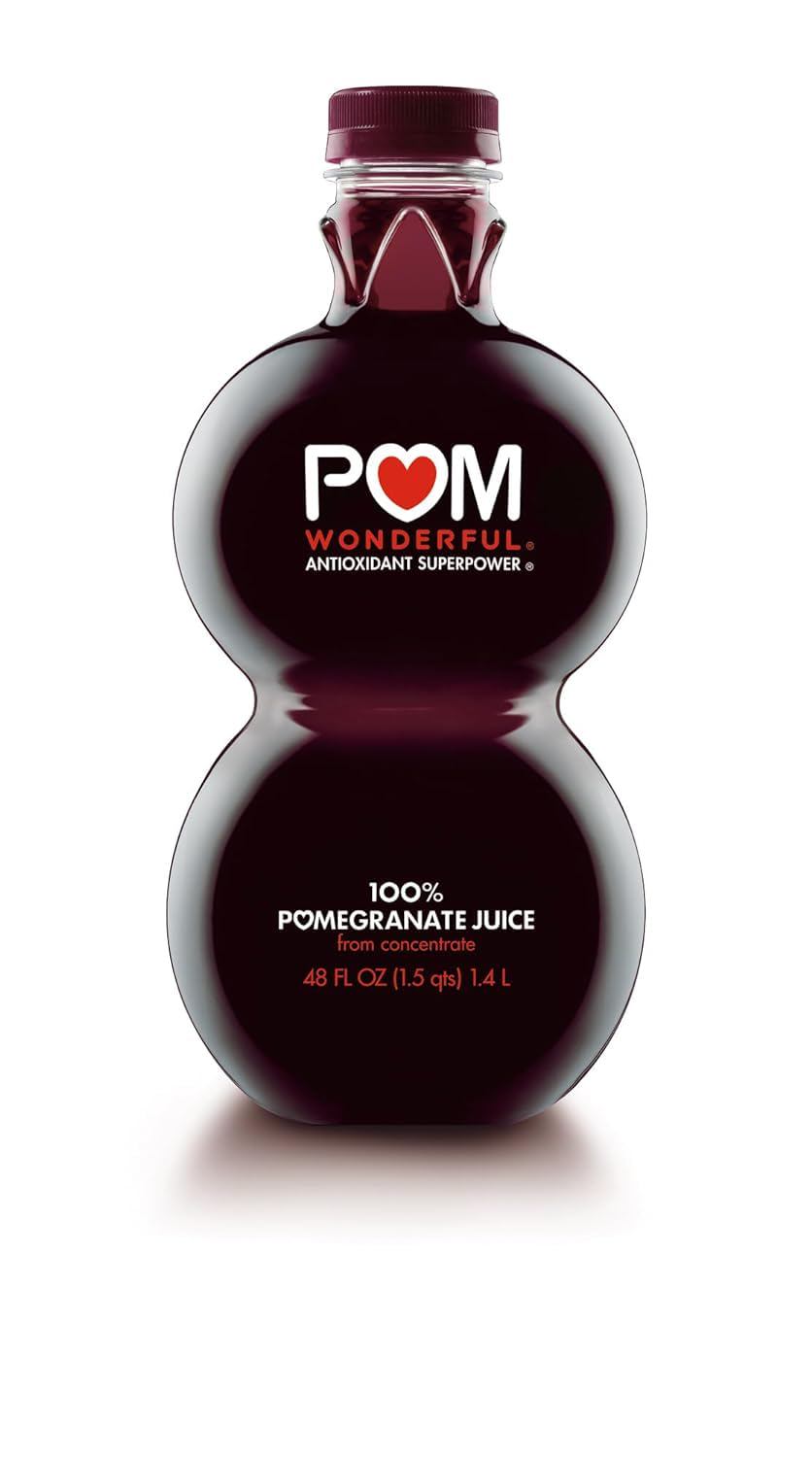
Pomegranate juice: Antioxidants and cellular repair
Pomegranate juice is one of the most antioxidant-dense beverages available. It contains punicalagins and ellagic acid, compounds that may help reduce oxidative stress in skin cells and support DNA repair after UV exposure.
Animal studies and cell-based research suggest that pomegranate extract can help inhibit melanogenesis (the process of melanin formation). Human trials are still limited, but the anti-inflammatory and photoprotective properties of pomegranate make it a worthy addition to a skin-brightening routine.
Look for 100% pomegranate juice with no added sugar, and aim for about 4–6 ounces daily — it's potent stuff.
Important considerations
Beverages alone are unlikely to erase significant hyperpigmentation. They work best as part of a comprehensive approach that includes:
- Daily broad-spectrum SPF 30+ sunscreen
- Gentle exfoliation (chemical exfoliants like AHAs or retinoids)
- A nutrient-dense whole foods diet
- Consistent hydration
If you have a medical condition or are taking medications, talk to your doctor before adding large amounts of any juice — especially grapefruit or pomegranate — as they can interact with certain drugs.
And remember: patience is everything. Skin cell turnover takes about 28 days on average, and visible changes from dietary shifts usually take 8–12 weeks of consistent intake.