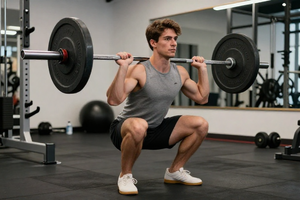
You’ve set up the barbell, wedged your feet into place, and taken that big breath. But something is off in the hole—your hips won’t sit where you need them, and your torso pitches forward. While countless cues target hamstring tension or ankle dorsiflexion, one variable is often overlooked: what you sipped right before you started moving.
Hydration and electrolyte status directly influence how your nervous system talks to your muscles, how pliable your fascia feels, and how quickly your joints can glide through their full range of motion. For mobility work specifically—think deep goblet squat holds, Pails and Rails drills, or hip capsule carves—the fluid in your system acts as both a mechanical lubricant and a signaling agent. Here’s what strength experts and sports dietitians actually recommend reaching for before you drop into the hole.
Why water alone sometimes falls short
Plain water is rarely a bad choice, but when the goal is improving squat depth and the stability that comes with it, plain water might leave a little on the table. Water hydrates the blood volume and tissues, but it doesn’t do much to maintain the electrical charge your nerves need to fire the glutes and open the hips in the bottom position.
Mobility drills are neurologically demanding—they require a coordinated relaxation of some muscles (like the adductors and hamstrings) while activating others (the posterior chain and core). This delicate dance relies on sodium, potassium, and magnesium to shuttle signals across cell membranes. If those minerals are even slightly low, the brain-to-muscle conversation gets garbled, and your squat turns into a bowing mess.
A pinch of salt or a splash of electrolyte concentrate in your pre-session water can make the difference between a sticky descent and a smooth, supported squat.
Electrolyte-infused water for pliable tissues
The most straightforward expert-backed option is water with a balanced electrolyte profile—specifically one that includes sodium, potassium, and a small amount of magnesium. Sodium helps you retain fluid, keeping the joint capsules and fascial layers lubricated. Potassium supports muscle relaxation, which is critical when you’re trying to sink into a deep hip hinge without clenching. Magnesium acts as a natural muscle relaxant and can blunt the over-activity of tight hip flexors.
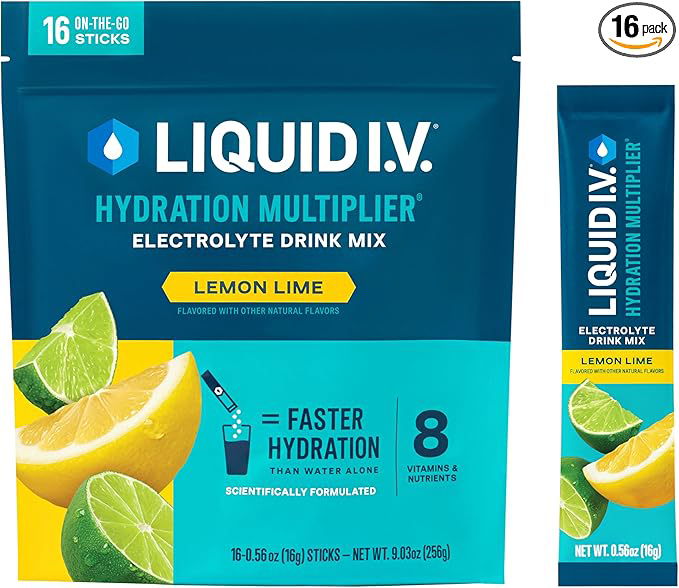
You don’t need a neon-colored sports drink loaded with sugar for this effect. A clean, low-sugar electrolyte powder or a simple homemade mix (water, a pinch of sea salt, a squeeze of lemon, and a dash of magnesium powder) is what many mobility coaches recommend. The goal is a subtle enhancement—not a sugar spike that pulls blood flow toward digestion instead of toward working tissues.
Bone broth as a pre-mobility warmer
It may sound unusual, but warm bone broth or a high-quality collagen tea has gained traction among strength athletes who struggle with stiff connective tissue. Bone broth provides glycine and proline, amino acids that support collagen synthesis and may subtly improve the viscosity of fascia over time. For acute effects, the warmth itself is a bonus: it raises core and muscle temperature slightly, which can transiently improve tissue extensibility.
Drinking about 8–12 ounces of warm, lightly salted bone broth 20–30 minutes before your mobility block seems to help some people feel looser in the hips and ankles without the sloshing sensation that cold water can cause during forward folds. It’s not a fix for chronically tight tissue, but it primes the ground for deeper movement.
Green tea for controlled, calm focus
Several strength coaches advocate for a small amount of caffeine—not enough to jack you up, but enough to sharpen the mind-body connection. Green tea fits that bill perfectly. It provides a gentle dose of caffeine combined with L-theanine, an amino acid that promotes a calm, alert state. That mental state matters for mobility: rushed, anxious attempts at end-range stretching typically activate the protective stress response, which tightens muscles. A cup of green tea helps keep the nervous system in a parasympathetic-friendly zone, where the tissues are more willing to release.
If you prefer something with zero caffeine, a ginger or chamomile tea can still warm the body and calm the mind without stimulating a fight-or-flight response. The key is sipping slowly about 15 minutes before you start.
When to drink, and how much
Timing is as important as the drink itself. Experts generally suggest consuming about 8–16 ounces of your chosen pre-mobility beverage 20–30 minutes before you begin. This window allows fluid to move beyond the stomach into the bloodstream and tissues. Drinking immediately before a deep squat can lead to uncomfortable distention and reflux, particularly during bent-over postures.
A simple protocol
- 20 minutes out: Drink 8–12 ounces of electrolyte water or warm bone broth.
- 10 minutes out: Sip a small cup of green tea (or herbal tea if caffeine-sensitive).
- During mobility: Take small sips of plain water or the same electrolyte mix if you feel thirsty, but don’t chug.
What most experts skip
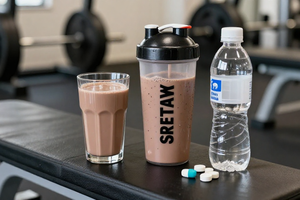
For almost all people who aren’t elite endurance athletes, hyper-sweetened sports drinks, fruit juice, and milk are not ideal before mobility work. Sugar-heavy beverages spike insulin, which can paradoxically make tissues feel stiff by altering the balance of intra- and extracellular fluid. Dairy-based drinks can leave a coating in the throat and increase mucus production, which some athletes report makes breathing during deep squats feel harder. Save the chocolate milk for post-workout recovery, not pre-mobility prep.
The goal is a calm, supported nervous system and well-hydrated, pliable tissues. A small, strategic drink can help you find the bottom of your squat without having to fight your own biology.