Dairy-free desserts often get a bad rap. Too icy, too dense, or just not as satisfying as the real thing — anyone who has tried a lackluster vegan ice cream knows the disappointment. But the truth is that a dairy-free dessert can be every bit as delicious and satisfying as its conventional counterpart. The key lies in understanding the science behind satisfaction.
Whether you are lactose intolerant, vegan, or simply trying to reduce dairy, knowing what makes a dairy-free dessert truly satisfying can help you choose (and create) treats that hit the spot every time. Here are four factors backed by food science that explain why some dairy-free desserts work and others fall flat.
1. Fat Content and Mouthfeel
Fat is a major carrier of flavor and contributes significantly to what food scientists call mouthfeel — the physical sensation of food in the mouth. Dairy cream and butter provide a rich, coating sensation that signals satiety to the brain. Without dairy, the challenge is to replicate that luxurious texture using plant-based fats.
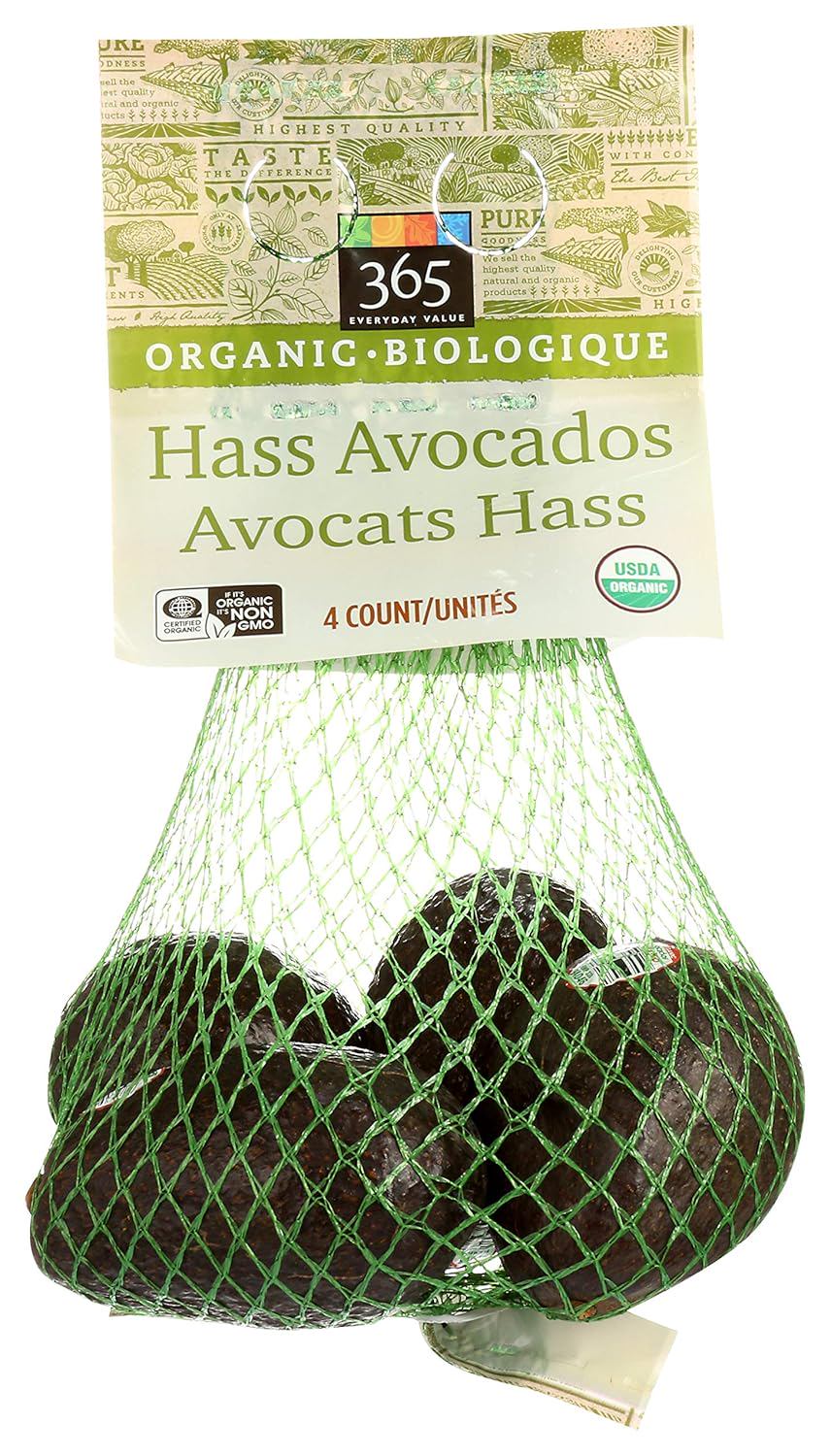
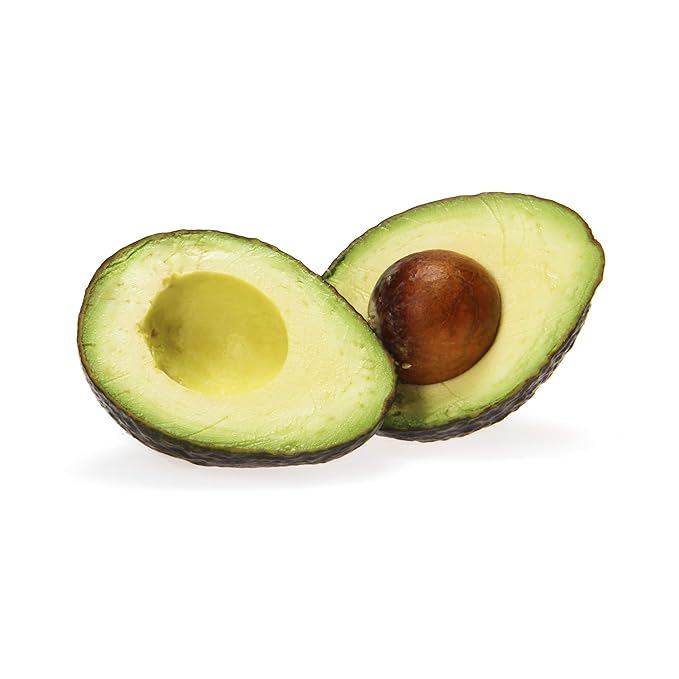
Coconut cream, cashew butter, and avocado are three heavy hitters in the dairy-free world. They provide a high enough fat content to create that smooth, lingering feel on the palate. For instance, a coconut milk-based ice cream typically contains around 15–20% fat, close to the fat content of premium dairy ice cream. Compare that to a sorbet, which often contains less than 1% fat, and you can feel the difference immediately. The higher fat content triggers the release of endorphins and creates a more satisfying eating experience.
2. Sugar Balance and Sweetness Perception
Sugar does more than just sweeten. It also affects the freezing point of a dessert and how it feels on the tongue. In dairy desserts, lactose naturally contributes sweetness along with the creamy texture. In dairy-free versions, the sugar content needs to be carefully balanced to compensate for the absence of lactose and to prevent the dessert from freezing into a solid block.
The science shows that sweetness interacts with fat to create the perception of indulgence. When sugar is too low in a dairy-free dessert, it can taste watery or icy. When it is too high, it overpowers other flavors and can cause a gritty texture. The sweet spot — usually around 12–16% sugar by weight — allows the dessert to remain scoopable at freezer temperature and delivers that satisfying sweetness without overwhelming the palate. Natural sweeteners like maple syrup or agave can also help because their liquid form contributes to a smoother texture.
3. Temperature and Sensory Experience
Temperature affects how we perceive flavor and texture. A cold dessert numbs the taste buds slightly, which is why frozen dairy-free treats often need a slightly higher concentration of both fat and sugar to taste as sweet and rich as you expect. Research has shown that serving temperature can alter the perception of creaminess — desserts served at slightly warmer temperatures (around 14–18°F or -10 to -8°C for frozen treats) taste creamier than those served at colder temperatures.
This is why letting a dairy-free ice cream sit on the counter for five to ten minutes before serving is not just a suggestion — it is a science-backed strategy. Allowing the dessert to soften slightly lets the fat and sugar molecules interact more freely with your taste receptors, creating a fuller, more satisfying flavor profile. Sorbets and frozen fruit bars, by contrast, are best eaten frozen solid because their lower fat content means they lack the creamy melt characteristic of higher-fat desserts.
4. Texture and the Role of Stabilizers
Texture can make or break a dairy-free dessert. Without dairy proteins and fats, many plant-based desserts tend to form large ice crystals, leading to a grainy or icy texture. Stabilizers — both natural and manufactured — play a crucial role in preventing this. Ingredients like guar gum, locust bean gum, and xanthan gum are common in commercial dairy-free desserts. They bind water molecules and prevent ice crystals from growing too large, resulting in a smoother, more homogeneous texture.
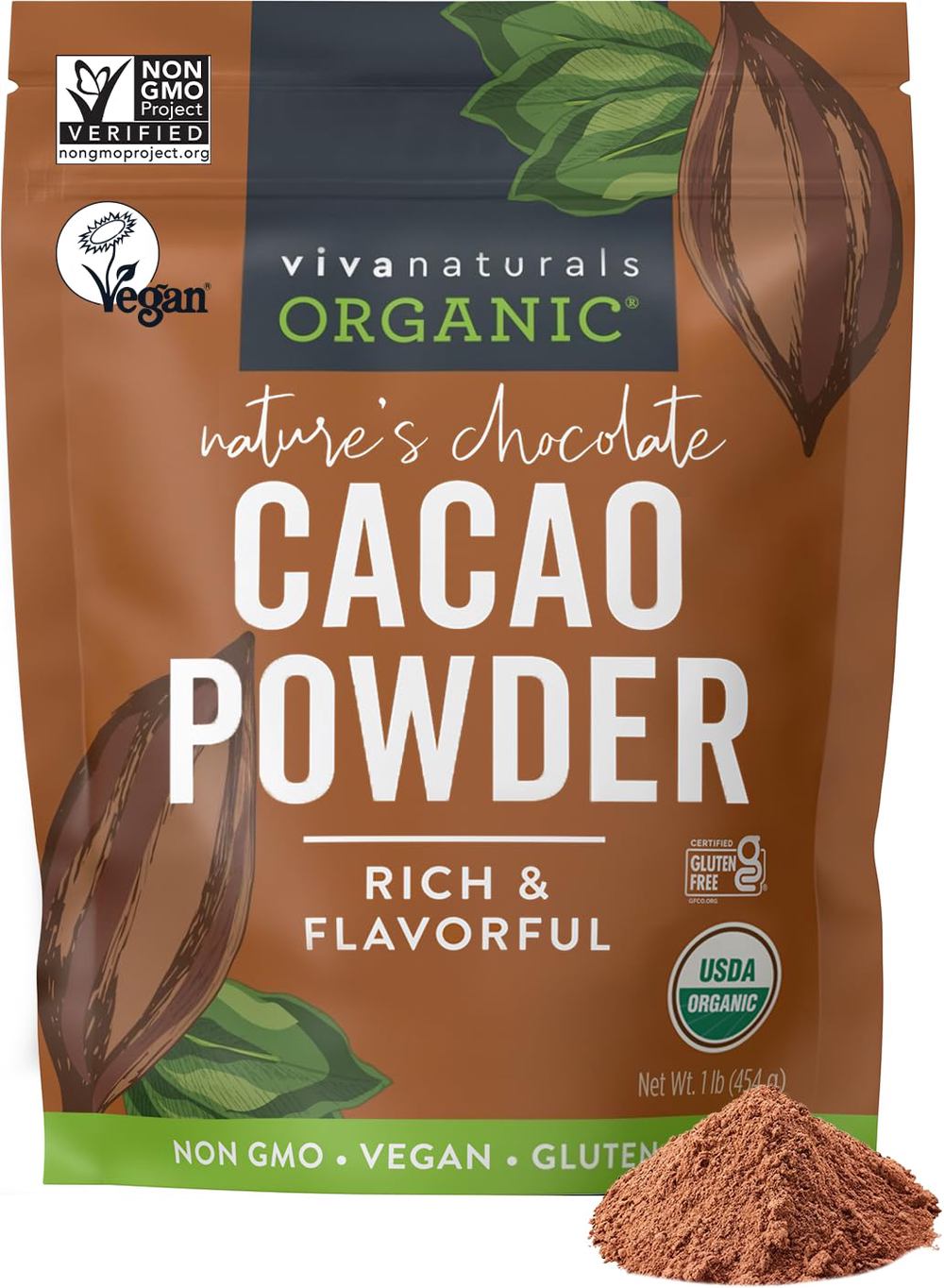
At home, you can achieve a similar effect using ingredients like soaked cashews, silken tofu, or even a little cooked starch from arrowroot or tapioca. For example, a simple chocolate avocado mousse uses the naturally occurring fats and emulsifiers in the avocado to create a silky, pudding-like texture without any added gums. The key is that without some kind of stabilizing agent, a dairy-free dessert will often separate or become icy, which is widely perceived as unsatisfying.
Putting It All Together
The most satisfying dairy-free desserts manage to balance these four factors. A classic example is a cashew-based cheesecake: it has high fat content from the cashews, balanced sweetness from dates or maple syrup, it is served cold but not frozen, and it uses nut solids as natural thickeners. Another great option is a coconut milk-based chocolate mousse, which uses the high fat content of coconut cream and the stabilizing effect of melted dark chocolate to create a rich, indulgent texture.
A quick tip: When buying or making dairy-free desserts, look for the words 'creamy' or 'velvety' on the packaging — they usually indicate a product that has paid attention to these texture and fat factors.
By understanding these four science-backed factors — fat content, sugar balance, temperature, and texture — you can confidently choose or create dairy-free desserts that satisfy both your taste buds and your expectations. It is not about sacrifice; it is about knowing what makes a dessert work.