
You brush your teeth, change into pajamas, and slide into bed—but your face went straight to the pillow without a single dab of moisturizer. It happens to all of us. And while missing one night won't undo years of good habits, understanding what happens to your skin when you skip moisturizer before bed can change how you think about that final step.
Your skin works differently at night. While you sleep, it shifts into repair mode: cell turnover picks up, blood flow increases, and the barrier that keeps moisture in and irritants out gets busy rebuilding itself. Moisturizer is not just a cosmetic luxury—it's the fuel for that overnight work. Without it, the consequences go deeper than just feeling a little tight in the morning.
What actually happens to your face overnight without moisturizer
Every night you skip moisturizer, your skin loses more water than it should. This is called transepidermal water loss, and it ramps up when the protective barrier is under-supported. As water evaporates from the deeper layers, the surface can become rough, flaky, or feel papery dry by morning.
Beyond the dryness, the lack of lipids and humectants means your skin's barrier doesn't have the raw materials it needs to repair micro-damage from UV exposure, pollution, or wind from the day. Over time, repeated barrier stress can lead to dullness, uneven texture, and, yes—wrinkles.
The link between overnight dryness and fine lines
Here is where the wrinkle explainer part comes in. Fine lines and deeper creases form when the dermis loses structural support—collagen and elastin fibers weaken with age and UV damage. But surface dryness plays a surprisingly direct role. When the outermost layer of skin (the stratum corneum) is dehydrated, it shrinks slightly. That contraction makes existing lines more visible and can create temporary creases that eventually become permanent with repeated dehydration.
Think of it like a dried-out riverbed: the cracks are deeper and more pronounced when the ground is parched. A well-moisturized skin surface is plump, which visually smooths lines and allows the barrier to function properly.
What a good nighttime moisturizer actually does
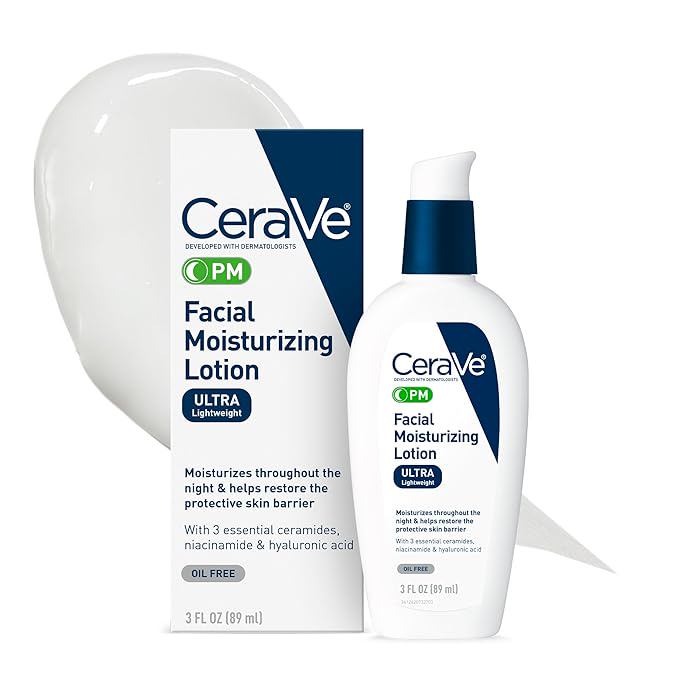
A proper moisturizer for bedtime goes beyond basic hydration. Look for formulas that combine three elements:
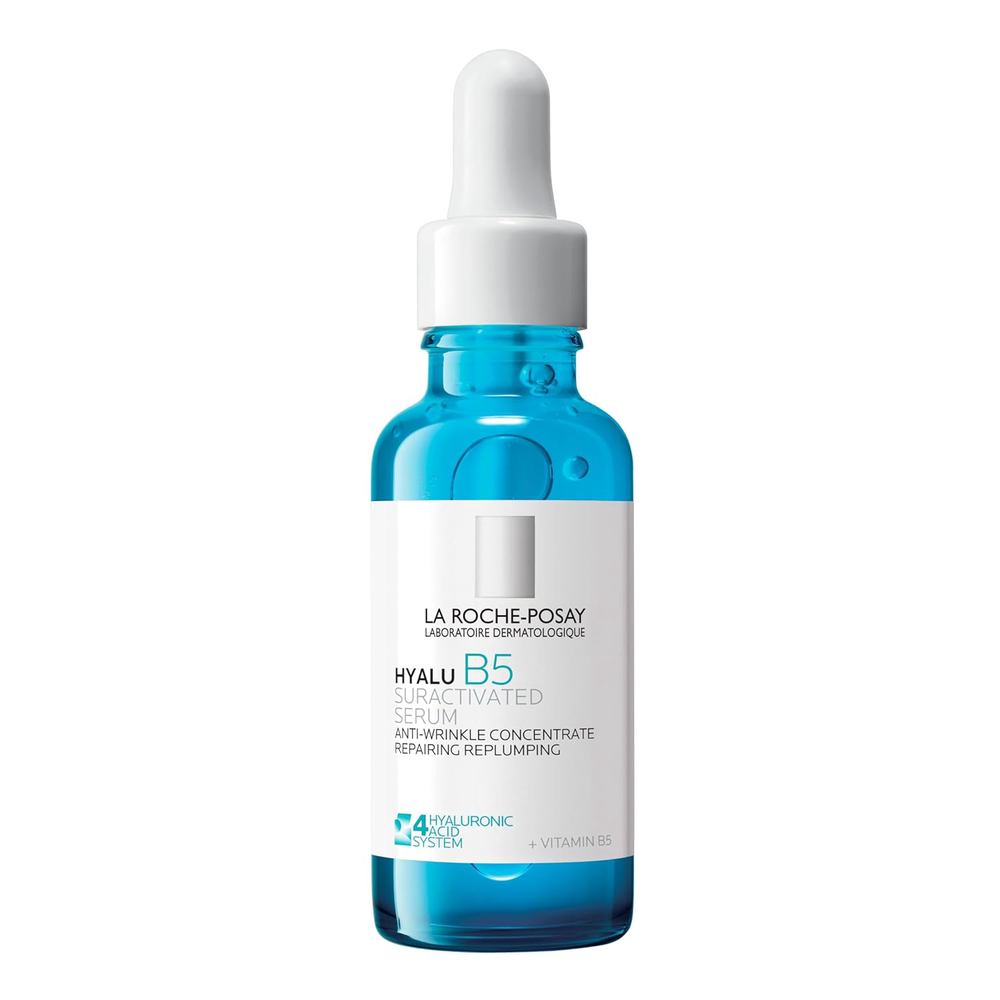
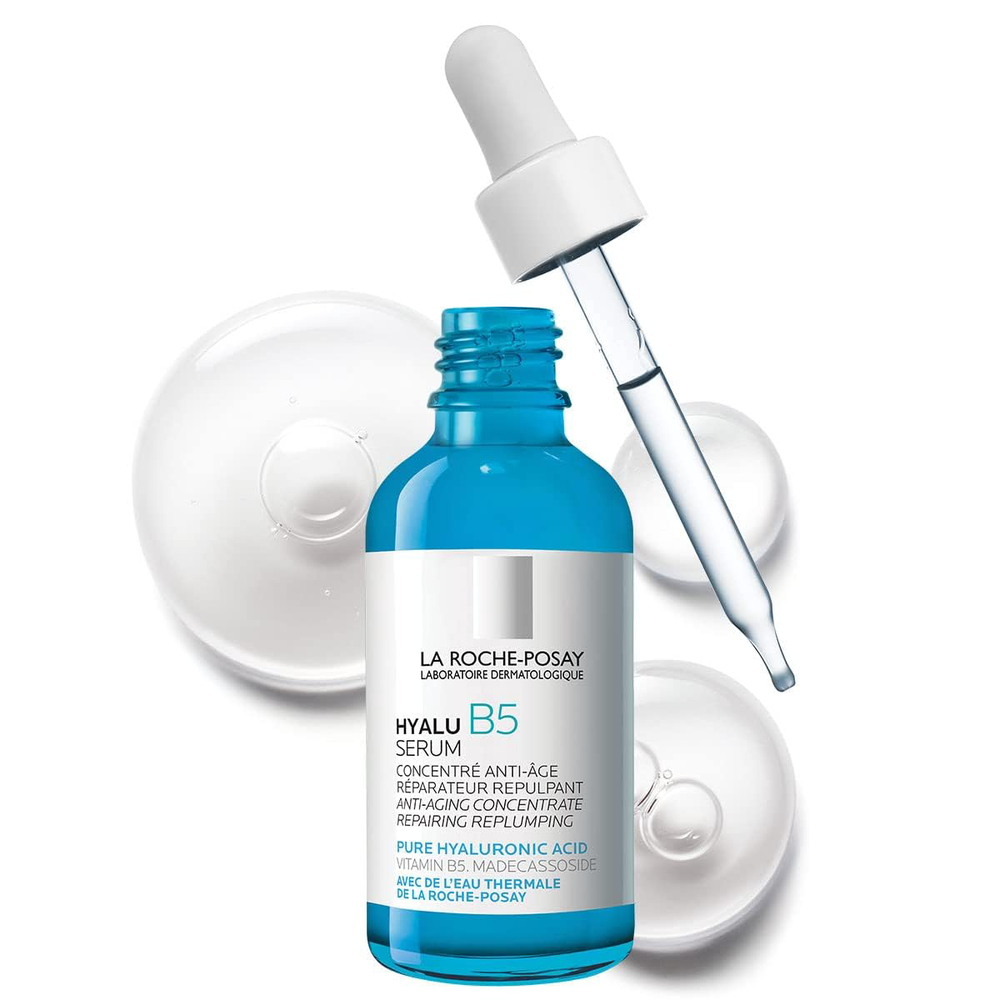
- Humectants like glycerin, hyaluronic acid, or aloe—they pull water into the skin from the air and from deeper layers.
- Emollients like squalane, shea butter, or ceramides—they fill the gaps between skin cells, making the surface feel smooth and flexible.
- Occlusives like petrolatum, dimethicone, or jojoba oil—they form a physical seal to slow evaporation all night long.
When you skip moisturizer, you miss all three actions. Your skin still loses water, but now it has no backup to slow the loss or refill what's gone.
Can one night of skipping really matter?
Not permanently, but cumulatively. A single missed night is not going to carve a wrinkle into your face. However, if skipping becomes a regular habit—even two or three times a week—the barrier never gets a full overnight repair cycle. Over months and years, that chronic under-moisturizing can accelerate the visible signs of aging.
Skin that frequently wakes up tight and dry is skin that is working harder to maintain itself. That extra effort comes at a cost: slower recovery, more inflammation, and earlier formation of fine lines.
Your skin also loses water through respiration and movement during sleep. Pillow friction can further disturb the barrier, especially if you sleep on your side or stomach. Moisturizer acts as a buffer against both evaporation and mechanical stress.
Signs that your skin is begging for nighttime moisture
You might already be seeing these signs without realizing the cause:
- Tightness or itchiness right after washing your face at night or first thing in the morning.
- Visible flaking around the nose, mouth, or cheeks.
- Makeup that looks cakey or settles into lines within a few hours of application.
- Fine lines that look deeper at the end of the day than they do after a hydrating face mask.
- Redness or sensitivity that comes and goes—often a sign of a compromised barrier.
If any of those sound familiar, reintroducing a consistent pre-bed moisturizer is your simplest fix.
Myths about moisturizer and wrinkles
Let's clear up a couple of myths. Moisturizer does not permanently erase wrinkles—it plumps the skin temporarily, making lines less visible. That is still valuable, because keeping skin plump reduces the mechanical stress on collagen fibers. But no moisturizer can rebuild lost collagen or reverse deep wrinkles. For that, you would need retinoids, peptides, or in-office procedures. Moisturizer supports the environment where those deeper repair processes happen.
Another myth: that oily or acne-prone skin should skip moisturizer at night. Actually, skipping moisturizer can make oily skin produce even more oil to compensate for dehydration. A lightweight, non-comedogenic moisturizer helps balance the skin and may reduce breakouts over time.
Practical tips for the bedtime moisturizer habit
Keep your moisturizer on your nightstand or next to your toothbrush as a visual cue. If you are exhausted and want to skip, use a spray toner or a few drops of facial oil as a quick alternative—something is better than nothing. For very dry skin, consider a night cream labeled "rich" or "barrier repair," which contains more occlusives to lock in moisture through the night.
You do not need an expensive, complex routine. A single, well-chosen moisturizer applied to slightly damp skin (pat dry after washing, do not wait for it to fully air dry) can do the job. Damp skin absorbs humectants better and seals in more water.