
Morning routines are often full of good intentions. But for many women, the day-to-day rituals we think are harmless—or even healthy—are quietly working against the collagen that keeps skin firm, smooth, and resilient. Collagen, the structural protein that gives skin its bounce, begins to decline naturally in the mid-20s, but certain daily habits can speed up that breakdown significantly, leading to premature wrinkles and sagging long before genetics alone would cause them.
Understanding what actually damages collagen is the first step to protecting the skin you have. Below, I’ve broken down three surprisingly common daily habits that research consistently links to collagen degradation. The good news? Each is modifiable. Small shifts here can make a meaningful difference in how your skin ages over time.
1. Overdoing sugar without realizing it
It’s not just the obvious candy bars. Many so-called “healthy” breakfasts, snacks, and beverages pack a sugar load that triggers a process called glycation. During glycation, sugar molecules bind to collagen and elastin fibers, forming advanced glycation end products (AGEs). These AGEs make collagen stiff, brittle, and more prone to breaking—think of it like turning a fresh rubber band into a dried-out one that snaps easily.
Common sources that add up quickly include flavored yogurts, granola bars, smoothies made with sweetened milk alternatives, and even “natural” sweeteners like agave or honey. Coffee and tea drinkers often forget the sugar stirred in throughout the day. Over weeks and months, repeated glycation damage accumulates, and the skin’s underlying support structure weakens. The result? Fine lines deepen, and elasticity fades faster than it would through aging alone.
2. Direct sun exposure during short, daily errands
Most women know to apply sunscreen before a beach day. But the real collagen damage happens cumulatively—during the five-minute walk to the car, the quick dash into the grocery store, or the coffee run at noon. Ultraviolet A (UVA) rays penetrate clouds and glass, and they reach deep into the dermis where collagen lives. Even brief, repeated exposure without protection triggers an enzyme response that degrades collagen and impairs the skin’s ability to produce new fibers.
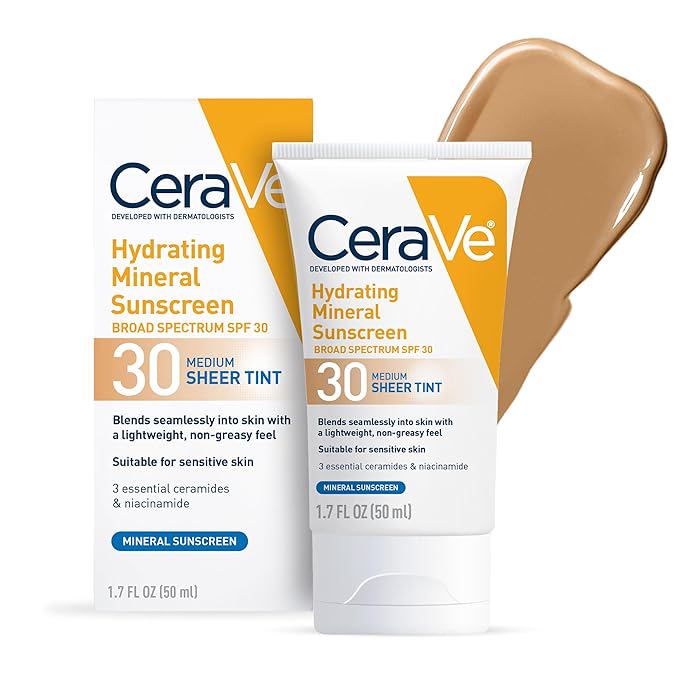
This is called photoaging, and it’s responsible for the majority of visible aging on the face, neck, and hands. The damage isn’t immediate; it builds invisibly for years before showing up as fine lines, uneven texture, and crepiness. A daily moisturizer with broad-spectrum SPF 30 or higher—worn every single day regardless of the weather—is the single most effective habit for preserving collagen. A mineral-based formula with zinc oxide or titanium dioxide offers physical protection without irritation for most skin types.
3. Sleeping on your side or stomach
This habit surprises many. But how you position your head on the pillow for seven to nine hours a night can create compression and creasing on the face, known as sleep lines. Over time, repeatedly folding the same areas of skin mechanically breaks down collagen and elastin fibers in those spots. Unlike expression lines, which disappear when you relax your face, sleep lines can become etched into the skin permanently as the supporting collagen weakens.
The sides of the chin, the cheeks, and the area around the eyes are most vulnerable. Women who consistently sleep on the same side often notice deeper wrinkles on that side of the face. Silk or satin pillowcases reduce friction and compression, but the better long-term solution is transitioning to back sleeping. Building the habit takes a few weeks—try placing a small pillow under your knees to make the position more comfortable and reduce the urge to roll over during the night.
How to reverse the trend (yes, you can)
Your body never stops producing and remodeling collagen, even after damage has occurred. Supporting that natural process involves a few consistent choices: reduce added sugars to under 25 grams daily, protect skin with daily SPF, prioritize sleep posture, and consider diet changes that provide the building blocks for collagen synthesis. Foods rich in vitamin C (citrus, bell peppers, strawberries), copper (sesame seeds, cashews), and glycine (bone broth, pork skin, chicken with skin) directly support the body’s collagen production machinery.
Topical retinoids—whether prescription or over-the-counter retinol—have strong evidence for stimulating collagen production over several months of daily use. Introduce them slowly to avoid irritation, and always pair with sunscreen, as retinoids increase photosensitivity. Consistency matters far more than intensity; even a small dose used nightly for a year yields visible improvement in skin firmness and wrinkle depth.
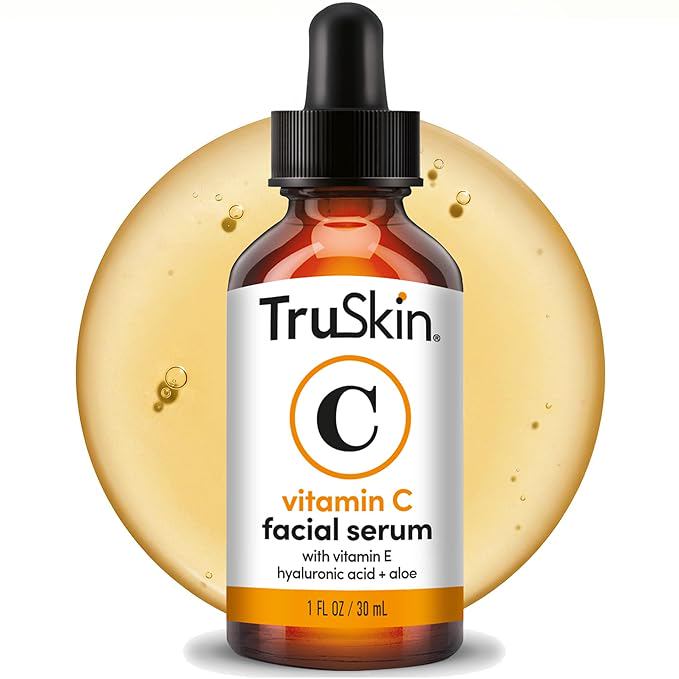
One final caveat: Avoid the trap of “collagen-boosting” miracle creams that make bold claims without clinical evidence. Stick with ingredients proven in peer-reviewed research: retinoids, vitamin C (L-ascorbic acid), peptides, and niacinamide are the gold standard for supporting collagen health.
Changing one habit at a time—starting with sunscreen or swapping one sugary snack for a savory alternative—can begin protecting your collagen today. The skin you have now is still capable of repair, and the habits you change in your twenties, thirties, and forties compound over a lifetime.