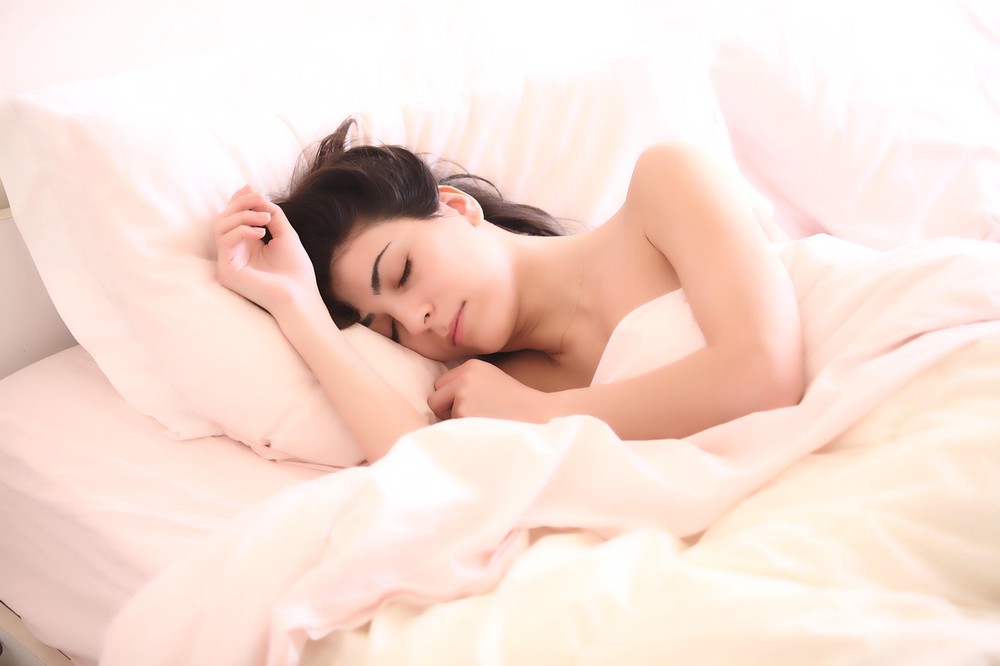
You might think the only thing at stake when you sleep on your stomach is a stiff neck in the morning. But dermatologists and sleep specialists have been observing a more persistent effect: the potential for permanent facial wrinkles that form directly from your sleep position. It is a phenomenon known as sleep lines, and for stomach sleepers, the pattern is particularly telling.
Unlike the fine lines that come from sun damage or natural aging, mechanical wrinkles from sleep are etched into the skin by the repeated compression and folding of the face against a pillow night after night. They do not disappear when you wake up. Over time, especially after your skin loses elasticity in your 30s and 40s, those temporary creases can become fixed grooves.
How stomach sleeping forces your face into a crease
When you lie on your stomach, your face is pressed sideways against the pillow. This creates sharp, angled folds along the cheek, the side of the mouth, the chin, and sometimes the brow area. The skin is literally pinched and held in that position for hours at a time.
Think of it like folding a piece of paper and putting a heavy book on top. The first time you unfold it, the crease remains. If you keep repeating this process, the crease becomes permanent. Your skin acts similarly, though the process takes years. The collagen and elastin fibers that keep skin plump and springy slowly break down under constant mechanical stress, and the deep creases become less able to bounce back.
Compression, folding, and reduced circulation
Two main mechanisms are at play. The first is folding, as described above. The second is compression. When you press your entire face into a pillow for eight hours, you also compress the blood vessels and lymphatic vessels in that area. While the body is resilient, repeated overnight compression can reduce local circulation and slow the delivery of oxygen and nutrients to the skin cells. Over time, this can accelerate the breakdown of collagen, thinning the skin and making those sleep lines more noticeable.
Dermatologists often use a simple trick to tell sleep wrinkles from expression wrinkles. If you smooth the skin sideways and the wrinkle softens or disappears, it is likely a sleep line. If you look in the mirror and notice distinct vertical or diagonal lines on one side of your face more than the other, your sleeping posture is the likely culprit.
Quick tip: If your morning lines stick around for more than an hour after you wake up, your skin is telling you the creasing is becoming persistent.
Which wrinkles look like sleep lines?
Sleep lines from stomach sleeping have a characteristic pattern. Because the face is usually turned to one side, the lines often appear asymmetrically. Common locations include:
- The nasolabial fold area: Deep creases that run from the side of the nose to the corner of the mouth can be exaggerated on the side you sleep on.
- Diagonal cheek and chin lines: A crease that runs from the outer corner of the eye down toward the jaw, or a line that cuts across the chin, is a classic sign of stomach sleeping.
- Forehead and brow lines: If you press your forehead directly into the pillow, horizontal banding or furrows above the brow can form.
These lines are distinct from the horizontal forehead wrinkles of aging or the fine crow's feet from squinting. They have a sharper, more “etched” appearance, and they follow the angle of the pillow rather than the natural muscle movement of your face.
Can you reverse sleep wrinkles?
The good news is that these wrinkles are the most preventable and potentially reversible type of facial line, provided you catch them early and intervene. The skin’s ability to repair itself is strongest when the damage is purely mechanical and has not been compounded by sun exposure or deep collagen loss.
Switching your sleep position is the most direct solution. Sleeping on your back is ideal because your face is not pressed against anything. This position eliminates the compression and folding altogether. However, if you are a lifelong stomach sleeper, this can feel nearly impossible at first. Experts suggest starting by placing a body pillow alongside you to prevent yourself from rolling onto your stomach. Some people find success by gradually training on a wedge pillow that tilts the head back slightly, making stomach sleeping uncomfortable.
Supportive tools and skincare to help
If you cannot change your position, you can mitigate the damage. A silk or satin pillowcase creates less friction than cotton, allowing the skin to slide rather than bunch up. While it will not prevent the folding entirely, it reduces the sharpness of the crease. A specialized anti-wrinkle pillow with a cutout for your face can also help by reducing the direct pressure on the skin.
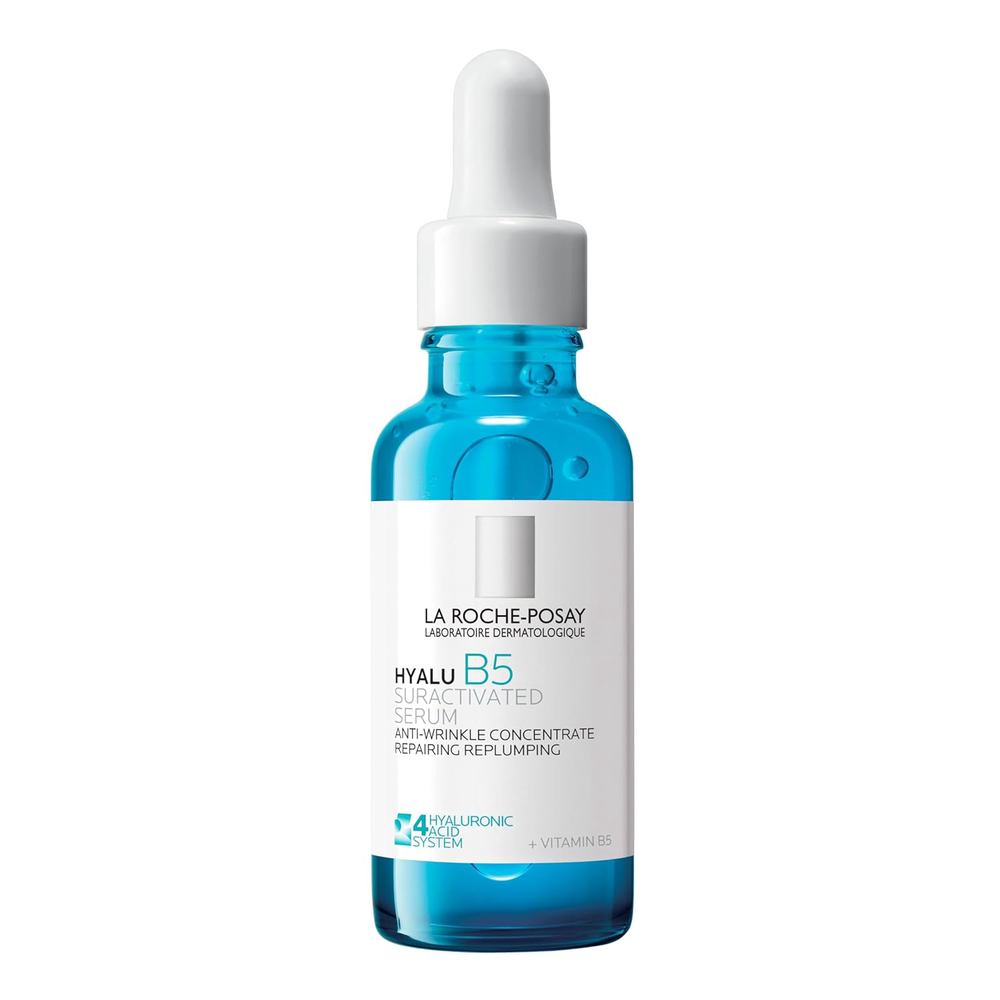
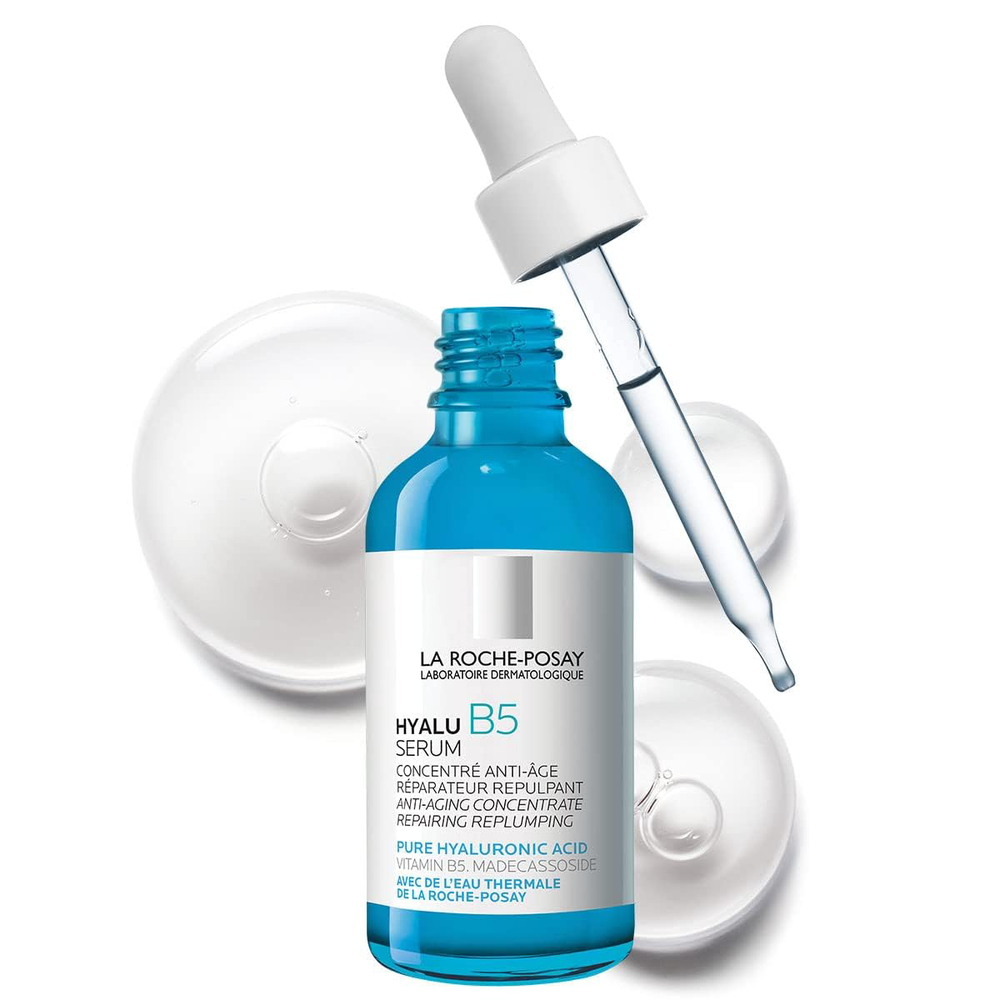
Skincare plays a supporting role. Keeping the skin well-hydrated and supporting collagen production can improve its resilience. Ingredients like hyaluronic acid (for plumping), ceramides (for barrier repair), and retinoids (for collagen stimulation) can help the skin resist creasing and recover faster from overnight pressure. Always pair retinoid use with broad-spectrum sunscreen, as retinoids increase sun sensitivity, and sun damage is the primary accelerant of all wrinkles, including sleep lines.
What experts emphasize: consistency matters
Dermatologists stress that the damage from stomach sleeping is cumulative. A single night of poor posture will not create a permanent wrinkle, but ten years of it will. The earlier you address your sleep position, the better the outcome. For people in their 20s and early 30s, changing sleep habits can largely prevent these lines from ever forming. For those in their 40s and beyond, it can stop further deepening of existing creases.
If you already notice a clear difference in wrinkle depth between the left and right sides of your face, your sleep position is almost certainly a factor. That asymmetry is a strong visual clue that cannot be explained by sun exposure or genetics alone.
Ultimately, the fix is not an expensive cream or a complicated routine. It is a change in how you sleep. As one dermatologist summed it up: “The best anti-aging product for your face might just be a pillow behind your back to keep you from rolling over.”
Medical disclaimer: This article is for general educational purposes and does not constitute medical advice. While sleep position can influence skin health, the development and severity of wrinkles are multifactorial. Consult a board-certified dermatologist for a personalized assessment of your skin concerns.