You already know that protecting your skin from the sun is non-negotiable. Broad-spectrum SPF, seeking shade, and avoiding peak hours are firmly embedded in your anti-aging routine. But what if the very ritual you use to relax at night is quietly undoing all that daytime diligence?
Dermatologists and sleep scientists have identified a surprising culprit in the formation of deep, stubborn wrinkles: the way you sleep. More specifically, the pressure, friction, and positional creasing your face endures for hours every night. For many people, this evening habit can be more impactful on wrinkle development than incidental, unprotected sun exposure.
How Nightly Facial Creasing Worsens Wrinkles
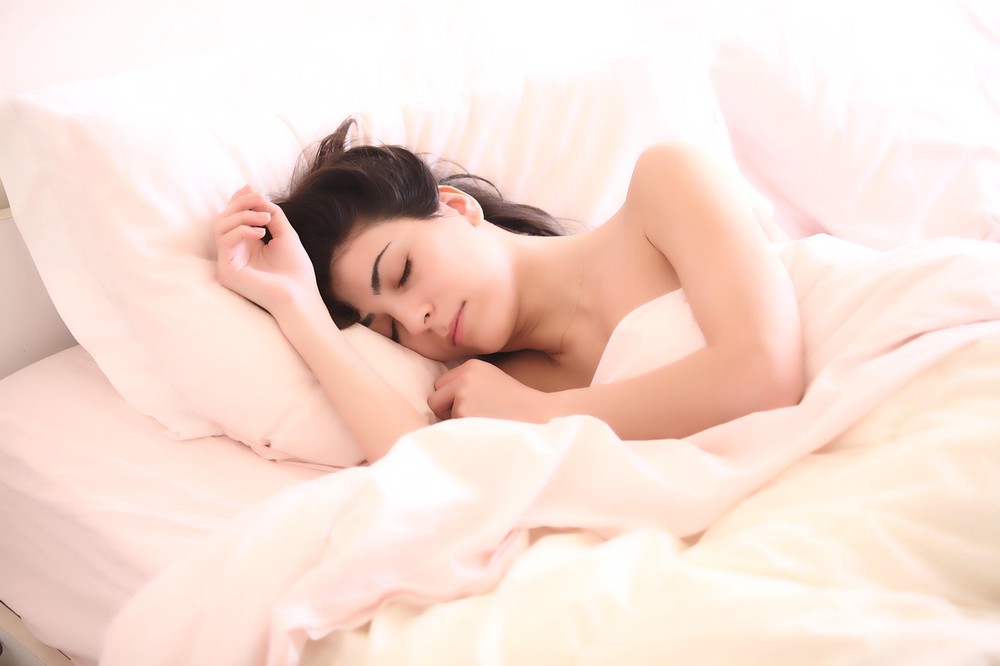
When you press your face into a pillow, you aren't just leaving a temporary mark. Over the course of a typical night, you spend hours compressing and distorting the skin on one side or the front of your face. This constant physical deformation, repeated night after night, creates permanent lines known as sleep lines or compression wrinkles.
These are not the same as dynamic expression lines from smiling or squinting. Sleep wrinkles are etched into the skin through mechanical force. They tend to appear on the forehead, around the mouth, and on the cheeks in patterns that correspond to how you lie down. Over time, the collagen and elastin fibers in the dermis break down under this repetitive strain, making the lines deeper and less responsive to topical treatments.
A simple shift in position can reduce pressure by over 60% on facial tissue during the night.
Why It Can Be More Damaging Than Sun Exposure
Sun exposure is the primary driver of photoaging—the breakdown of collagen from UV radiation. But it is cumulative and diffuse. Sleep creasing, by contrast, is a precise, high-impact mechanical insult to the same area of skin every single night. While UV damage affects the overall texture and resilience of your skin, sleeping positions target specific spots with relentless pressure.
Consider this: A person who sleeps on their side for seven to nine hours each night is effectively subjecting one half of their face to a prolonged, low-grade crush injury. The skin cannot breathe, circulate blood, or drain lymph fluid normally in that compressed zone. This hinders the skin's nightly repair cycle. In contrast, a brief walk in the sun without SPF (while not advisable) does not locally block blood flow for eight consecutive hours.
The Role of Pillows, Fabrics, and Products
Your pillowcase is the contact surface for this nightly battle. Traditional cotton pillowcases create friction and absorb moisture from your skin and your nighttime skincare, leaving the surface dry and sticky. This combination of friction and dehydration makes it easier for the skin to fold and crease.
Here are the factors that amplify compression wrinkling:
- Sleeping on your side or stomach: These positions create maximum and prolonged pressure on the cheeks, chin, and forehead.
- Standard cotton pillowcases: Fibers cause drag and pull on skin. They also wick away hydrating serums and creams, leaving skin dry and more prone to creasing.
- Thick or fluffy pillows: Elevate the head in a way that torques the neck and pushes the face deeper into the surface.
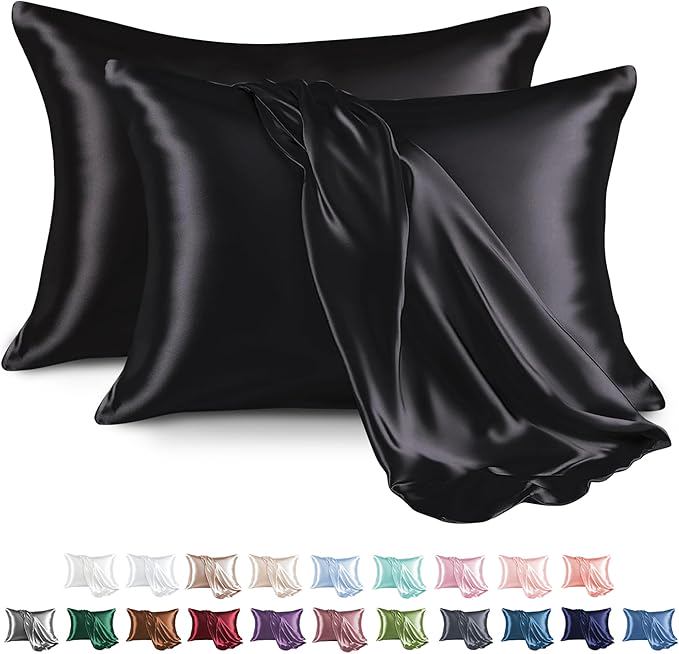
Switching to a silk or satin pillowcase reduces friction significantly. The smooth surface allows the skin to glide rather than fold. Some people find that a flatter or contoured pillow that supports the cervical spine while keeping the face relatively free of compression also helps.
Retraining Your Sleep Position
Breaking a deeply ingrained sleep habit is not easy. Your body has spent decades finding a comfortable position. However, you can gently retrain yourself by practicing a back-sleeping posture during lighter sleep phases.
Try placing a small, firm pillow under your knees. This aligns the spine and makes lying on your back feel more balanced. Some people use a body pillow on one side to prevent rolling over. Over the course of a few weeks, many find that the initial discomfort fades and back-sleeping becomes more natural.
If you absolutely cannot sleep on your back, consider these modifications:
- Use a low-loft, soft pillow that minimizes the angle and pressure on your face.
- Rotate your pillow and pillowcase every few days to change the exact contact area.
- Apply a rich, occlusive moisturizer or a thin layer of petrolatum before bed. This creates a protective film that reduces friction and seals in hydration, making the skin more resilient to folding.
Morning puffiness and sleep creases that last more than thirty minutes are signs your nighttime position is causing significant mechanical stress.
Other Evening Mistakes That Compound the Problem
While position is the main driver, a few other habits can make matters worse. Sleeping with makeup on mixes residual oils with friction, creating a gritty paste that exacerbates creasing. Similarly, skipping the final layer of a rich night cream leaves the stratum corneum dry and less able to snap back from deformation.
Alcohol consumption before bed is another known accelerator. Alcohol dehydrates the skin and dilates blood vessels, leading to increased puffiness. That temporary puffiness can stretch the skin and, when combined with pressure from a pillow, create even deeper temporary folds that eventually become permanent.
What You Can Start Tonight
You do not need to overhaul your entire life to address this. Focus on one change that fits your routine. For many, swapping a cotton pillowcase for a silk or high-thread-count satin version is the most impactful single step. It is inexpensive, easy to do, and you will notice the difference in morning creasing almost immediately.
Next, pay attention to how your skin looks in the morning. If you see defined crease marks on your forehead or along your cheekbones that persist for more than thirty minutes, that is your skin telling you it is under mechanical stress. Try adjusting your pillow height or position for a few nights and observe the difference.
The goal is not perfection. Nobody sleeps like a statue. But reducing the nightly assault on your skin's supportive structures is one of the most powerful, non-invasive anti-aging interventions available. While sunscreen guards the door from the outside, a good sleep posture protects the foundation from within.