
If you live with cystic acne, you know it’s more than just a few pimples. These deep, painful nodules can feel like they’re rooted beneath your skin, and their stubborn nature can make you wonder if what you’re eating is playing a role. It’s a question that sends many people searching for answers: can your diet cause a flare-up?
The relationship between food and cystic acne is complex and highly individual. While dermatologists once largely dismissed the connection, a growing body of research suggests that for some people, dietary choices may indeed influence inflammation and hormone levels in ways that can aggravate this severe form of acne. The key is understanding the mechanisms, recognizing that not everyone will have the same triggers, and approaching changes with a balanced perspective.
The Science Behind Food and Inflammation
Cystic acne is fundamentally an inflammatory disease. The painful, deep cysts form when pores become clogged with oil and dead skin cells, creating an environment where bacteria can thrive and trigger a significant immune response. This is where diet enters the picture. Certain foods can cause spikes in blood sugar and insulin, which in turn may increase the production of skin oils (sebum) and promote inflammation throughout the body.
Think of your diet as one of many dials that can adjust the level of inflammation in your body. For some, turning that dial with specific foods makes a noticeable difference in their skin.
This doesn’t mean a single slice of pizza will cause a cyst to form overnight. The effect is more cumulative, related to overall dietary patterns over time. The goal isn’t to find a single “bad” food to vilify, but to identify dietary habits that might be quietly fanning the flames of inflammation for you personally.
Common Dietary Factors Experts Discuss
Research has pointed to a few specific dietary categories that may be worth paying attention to if you’re trying to identify potential triggers. It’s important to note that the evidence varies in strength, and reaction is individual.
High-Glycemic Foods and Dairy
Foods that cause a rapid rise in blood sugar—like white bread, sugary cereals, pastries, and soda—are often at the top of the list. These high-glycemic index foods trigger a cascade: a spike in insulin, which may increase androgen hormones and sebum production. Some studies have shown that populations eating lower-glycemic diets tend to have less acne.
Dairy, particularly skim milk, is another common topic. The hypothesis is that the hormones and growth factors naturally present in milk might interact with our own hormones, potentially influencing breakouts. The data isn’t conclusive for everyone, but the association is strong enough that many dermatologists suggest an elimination trial for patients with stubborn cystic acne.
The Role of Healthy Fats and Antioxidants
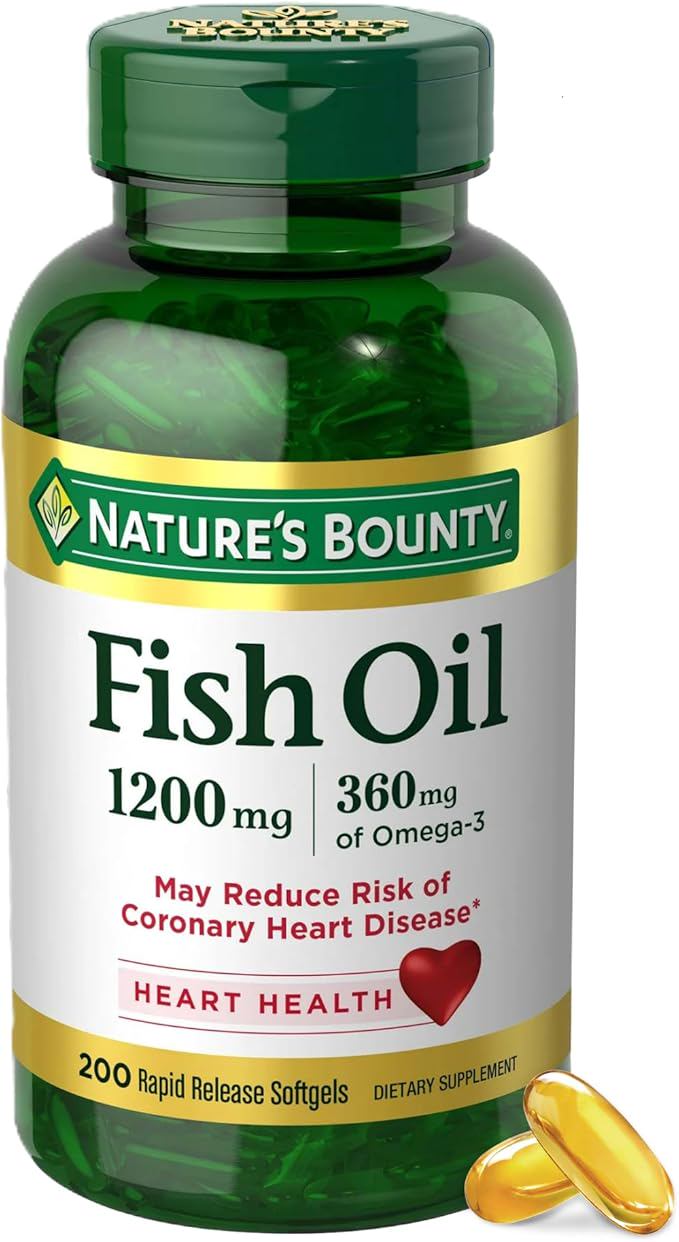
Just as some foods may promote inflammation, others might help calm it. Diets rich in omega-3 fatty acids (found in fatty fish, walnuts, and flaxseeds) are known for their anti-inflammatory properties. Similarly, colorful fruits and vegetables provide antioxidants that can help combat oxidative stress, which is also linked to acne severity.
This isn’t about a magical “acne cure” food, but rather about building a dietary foundation that supports your body’s natural ability to manage inflammation.
How to Approach Your Diet Without Stress
Armed with this information, the worst thing you can do is suddenly eliminate a dozen food groups. That approach is stressful, unsustainable, and can create an unhealthy relationship with food. Stress itself is a major acne trigger, so a gentle, methodical approach is key.
Consider starting a simple food and symptom journal for a few weeks. Note what you eat and the state of your skin, looking for patterns—not immediate cause-and-effect, but trends over days. This can provide personalized clues far more valuable than generic lists.
If you suspect a category like dairy or high-sugar foods, try eliminating that one group for 4-6 weeks. Observe any changes in the frequency or severity of your cysts. Then, reintroduce it and see what happens. This process can help you identify a genuine personal trigger versus a coincidental association.
Elimination diets are a diagnostic tool, not a permanent lifestyle, unless a clear intolerance is found. Always reintroduce foods to confirm their effect.
Where Diet Fits in a Holistic Management Plan
It’s crucial to frame diet as one piece of a much larger puzzle. For cystic acne, which often has a strong genetic and hormonal component, topical treatments and prescription medications from a dermatologist are typically the cornerstone of effective management. Diet should be viewed as a complementary strategy—a way to potentially reduce the inflammatory load and support your medical treatment.
No dietary change can replace the need for professional medical care for cystic acne. Deep cysts can lead to permanent scarring, so partnering with a dermatologist is essential. You can bring your food journal observations to your appointment; it gives your doctor a more complete picture of your health and potential contributing factors.
Ultimately, the goal is to cultivate habits that make you feel better, both in your skin and in your body. For some, that may include mindful dietary shifts. For others, the primary dietary focus might simply be on nourishment and reducing stress around food. Both approaches are valid. The most important advice from experts is to be patient with yourself and your skin, and to build a management plan with your healthcare provider that addresses all potential factors, from the inside out.