You’ve pushed through a tough workout, and the next day, your muscles announce their presence with every move. That familiar ache, known as delayed onset muscle soreness (DOMS), is a sign of adaptation, but it can also make the idea of another session feel daunting. The old advice was simple: rest completely until the pain subsides. Today, a more nuanced approach has taken hold, championed by trainers, physiotherapists, and sports scientists alike. It’s called active recovery, and it’s about moving with intention to help your body heal faster.
Active recovery isn’t another workout. It’s the gentle, strategic movement performed in the hours or days after intense exercise. Think of it as a low-gear effort that keeps the physiological systems humming without adding significant new stress. The goal is to promote blood flow, deliver nutrients to fatigued muscles, and facilitate the removal of metabolic byproducts, all of which can help reduce the duration and intensity of soreness.
Why does active recovery work?
The mechanism behind DOMS involves microscopic damage to muscle fibers and the subsequent inflammatory response. While this damage is a necessary part of building strength, the inflammation and fluid buildup contribute to that stiff, tender feeling. Complete rest can sometimes allow stiffness to set in. Gentle movement, however, acts like a pump.
“Light activity increases circulation,” explains a sports physiotherapist. “This enhanced blood flow delivers oxygen and amino acids that aid repair, while also helping to flush out substances like lactate that accumulate during exercise. It’s not about ‘sweating out the soreness,’ but rather supporting the body’s innate recovery processes.”
This circulatory boost may also help reduce the sensation of stiffness by gently mobilizing the joints and tissues, preventing them from seizing up. It’s the difference between letting a hinge rust and applying a little oil to keep it moving smoothly.
What does effective active recovery look like?
The cornerstone principle is low intensity. Your heart rate should stay elevated, but well below your training zone—often described as keeping the effort at a level where you can comfortably hold a conversation. The focus is on movement patterns, not performance.
Popular and expert-recommended modalities include:
- Walking or Light Hiking: The most accessible option. A brisk 20-30 minute walk gets the blood moving without impact.
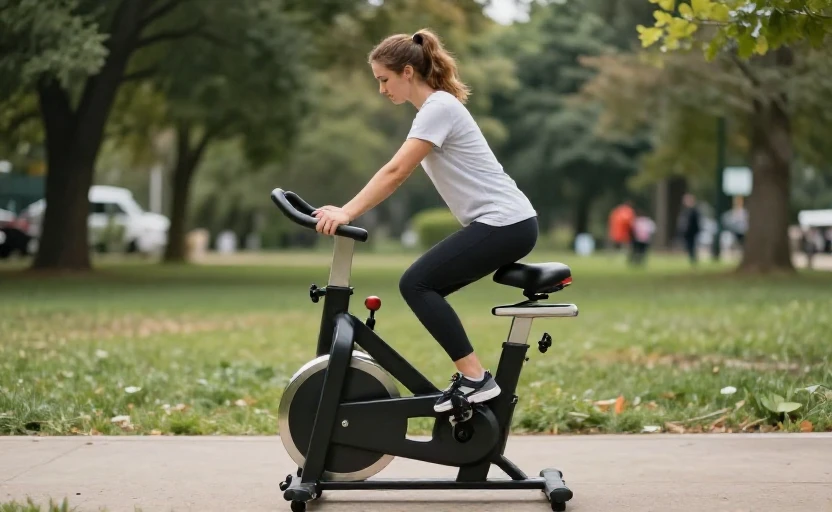
- Cycling or Using an Elliptical: These non-weight-bearing activities are excellent for promoting lower-body circulation with minimal joint stress.
- Swimming or Aquatic Exercise: The water’s buoyancy supports the body, and the gentle resistance can feel soothing on sore muscles.
- Yoga or Dynamic Stretching: Focus on flowing movements and gentle holds, avoiding deep, intense stretches that might strain already sensitive tissues.
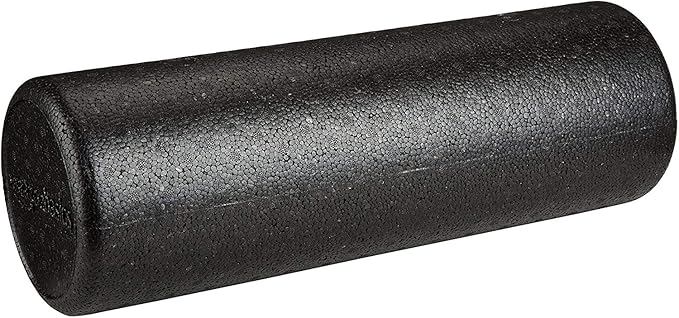
- Foam Rolling or Self-Myofascial Release: While not cardiovascular, this practice is considered a form of active recovery as it requires engagement to move over the roller, helping to address muscle tightness.
The best active recovery activity is one you’ll actually do consistently. It should feel refreshing, not draining.
How to balance recovery with rest days
A common question is whether active recovery replaces a full rest day. The consensus is that they serve different purposes. A true rest day involves minimal structured activity, allowing for deeper neurological and systemic recovery. Active recovery days are for when you feel general muscular soreness but no sharp pain or signs of injury.
Listen to your body’s signals. Fatigue, nagging aches, and low energy might call for a walk or gentle yoga. Exhaustion, joint pain, or illness likely signal the need for complete rest. Your overall training plan should rhythmically alternate between high-intensity days, active recovery days, and full rest days.
Signs you might need full rest instead:
- Sharp, localized pain (not a general ache)
- Signs of overtraining like persistent fatigue, irritability, or sleep disturbances
- Illness or fever
Integrating active recovery into your routine
You don’t need to schedule a separate “active recovery workout.” Often, it can be woven into the fabric of your day or the tail end of your training session.
Consider ending your strength sessions with 5-10 minutes of very light cardio on a bike or rower. This cool-down phase is a direct application of active recovery principles. On the day after a heavy leg day, opting to walk to the store instead of drive is a practical way to incorporate it. The key is intentionality—choosing movement that serves recovery, not another fitness goal.
Nutrition and hydration also play critical supporting roles. Consuming a mix of protein and carbohydrates after your main workout supports muscle repair, while staying well-hydrated ensures nutrients are transported efficiently and metabolic waste is removed. Active recovery enhances this process but doesn’t replace these foundational habits.
A note of caution
While active recovery is broadly beneficial for general muscle soreness, it is not a cure-all and is not appropriate for every situation. Distinguishing between normal DOMS and pain from a potential injury is crucial.
If soreness is severe, limits your range of motion dramatically, or doesn’t start to improve after 72 hours, it’s wise to consult a healthcare professional. Active recovery should never exacerbate pain. If a specific movement hurts, stop and choose a different activity that doesn’t.
Ultimately, embracing active recovery is about working with your body’s wisdom. It acknowledges that movement is a fundamental part of healing, turning the days between hard efforts from passive waiting into an active part of your fitness journey.