
When your skin reacts to products, weather changes, or even the tap water in your sink, reaching for a prescription cream might feel like the obvious next step. But there is a growing body of expert opinion that holds: for many people with sensitive skin, the most effective first-line care does not require a dermatologist’s script at all. It relies on a simpler, slower approach—one that respects the skin’s protective barrier rather than trying to overwhelm it with active ingredients.
We spoke with dermatologists who focus on barrier repair and gentle routines to outline what they actually recommend for calming sensitive skin, managing flare-ups, and building resilience over time. The common thread is that sensitivity is often a signal that the stratum corneum (the outermost skin layer) is compromised. So the goal is to strengthen that layer, not strip it. Here is their step-by-step approach.
Start With a “Skin Holiday” — Strip Your Routine to the Basics
One of the first things experts suggest for someone with reactive skin is to stop everything. That means no serums, no acids, no retinols, no exfoliating scrubs. Begin with a very short list: a gentle cleanser, a basic moisturiser, and a broad-spectrum sunscreen. Use only these for at least two to four weeks. During this reset period, the skin barrier has a chance to repair without being bombarded by multiple ingredients.
Dr. Geeta Gupta, a consultant dermatologist, explains that this helps you identify the real culprits. “Many patients think they need a new moisturiser when actually they need to stop using three different actives layered together. The simplest routine is often the most therapeutic.”
Choose a Moisturiser That Mimics the Skin’s Natural Lipids
Not all moisturisers are helpful for sensitivity. Experts recommend looking for products formulated with ceramides, cholesterol, and fatty acids—ingredients that are structurally identical to what healthy skin already contains. These help seal the cracks in a damaged barrier, reducing water loss and preventing irritants from penetrating.
A good rule: the fewer the ingredients on the label, the lower the risk of a reaction. Avoid anything with fragrance, essential oils, alcohol, or strong preservatives.
Emollients such as shea butter, squalane, and dimethicone are also considered safe bets because they sit on top of the skin and help lock in moisture without clogging pores or causing stinging.
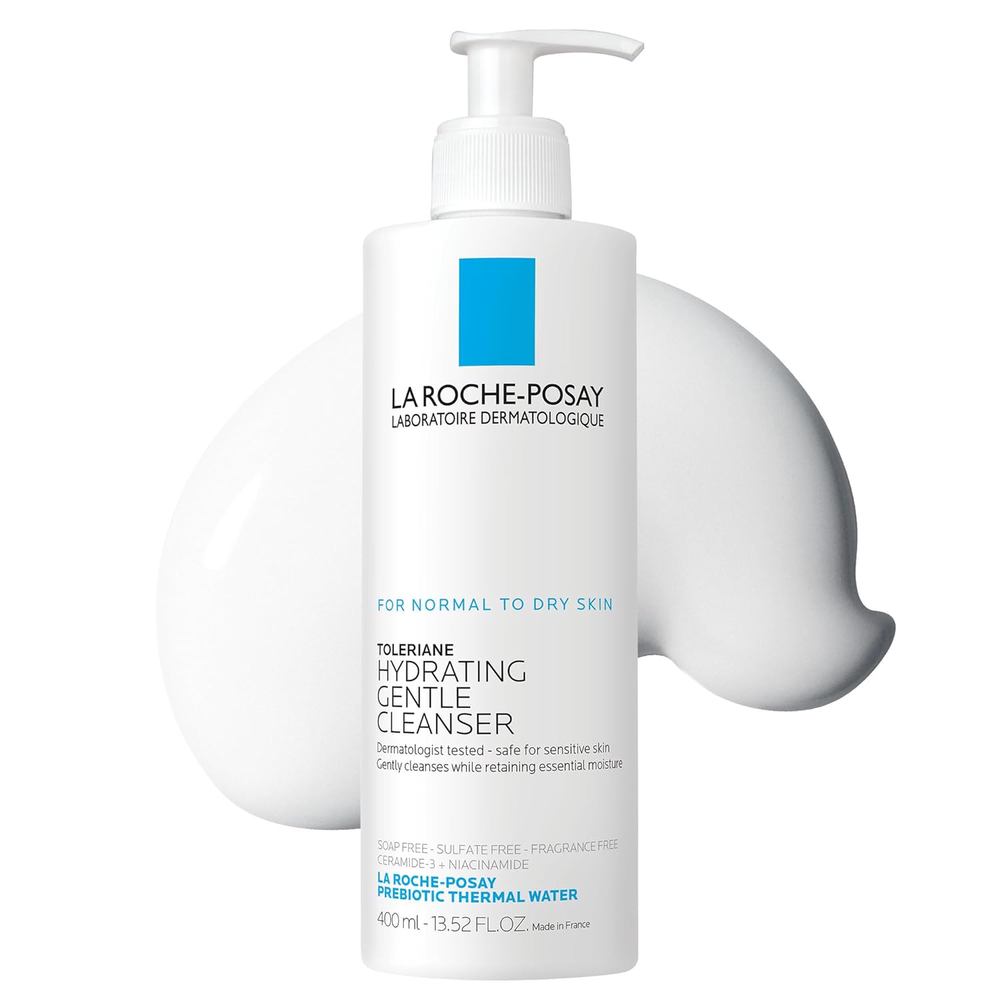
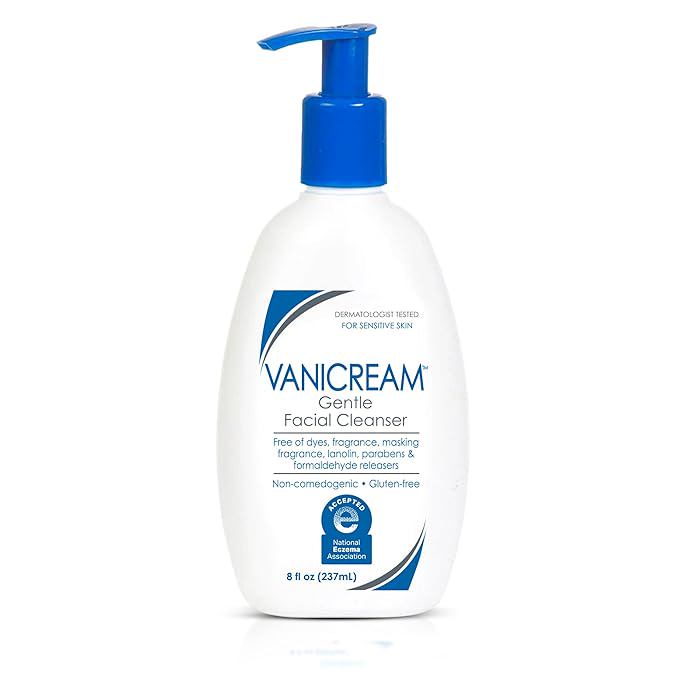
Cleanse Gently — and Only Once a Day
Over-cleansing is one of the most common mistakes people with sensitive skin make. Washing the face more than twice a day, or using foaming cleansers with harsh surfactants (like sodium lauryl sulfate), can strip oils and worsen reactivity.
Dermatologists recommend a non-foaming, cream or milk cleanser with a pH between 4.5 and 5.5. If you have very dry or reactive skin, wash only in the evening with lukewarm water; a simple splash of water in the morning is sufficient. Gently pat the skin dry with a soft cotton towel—no rubbing.
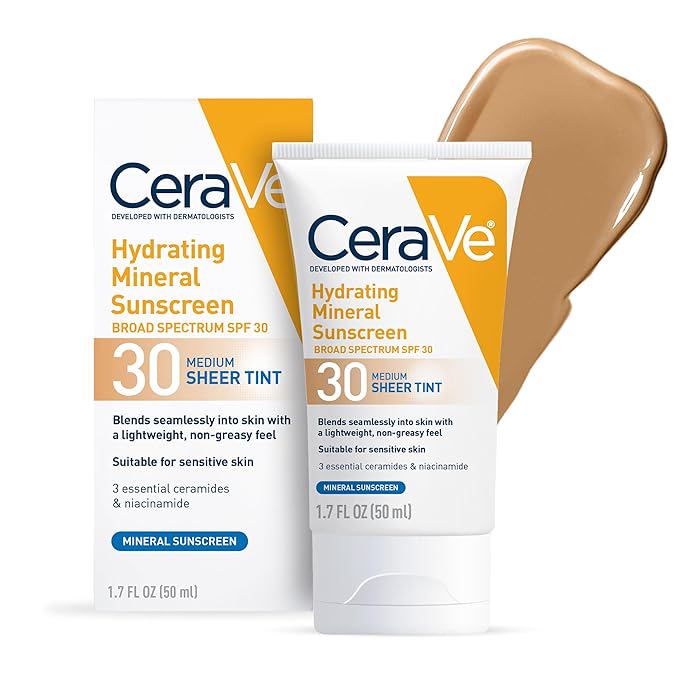
Protect From the Sun With Physical (Mineral) Sunscreens
Chemical sunscreens containing oxybenzone, octinoxate, or avobenzone can sting or provoke a histamine-like reaction in some people with sensitive skin. Because of that, experts lean toward physical blockers: zinc oxide or titanium dioxide. These sit on top of the skin and reflect UV rays without being absorbed.
“For patients who complain that every sunscreen burns, I ask them to try a 100% mineral formula with zinc oxide as the main active,” says Dr. Priya Sharma, a board-certified dermatologist. “It is thicker and may leave a white cast, but it rarely triggers sensitivity. You can then find a tinted version for a more cosmetically elegant finish.”
Patch Test Everything — Even “Gentle” Products
Experts strongly advise against applying any new product—even one labelled “for sensitive skin”—directly to the face without a patch test. Apply a small amount to the inside of your forearm or behind your ear for three to five consecutive days. If there is no redness, itching, or bumps, it is likely safe to use on the face.
This is especially crucial for plant-based extracts, which people often assume are safe. Many natural botanicals, including lavender, lemon, and peppermint, are common contact allergens.
Manage Lifestyle Triggers That Fuel Sensitivity
Prescription creams are powerful, but they cannot fix everything. Dermatologists point out that the health of your skin barrier is closely linked to lifestyle factors.
- Hot water: It strips natural oils. Use lukewarm water for face and body washes.
- Hard water: Minerals in hard water can leave a residue that irritates. Consider a chelating shower filter.
- Dry indoor air: A humidifier in the bedroom during winter or in air-conditioned spaces helps keep the stratum corneum from drying out.
- Stress and sleep: Chronic stress elevates cortisol, which can increase inflammation and impair barrier repair.
When to See a Dermatologist (Even Without a Prescription)
Experts note that there is a difference between sensitive skin and an underlying skin condition like eczema (atopic dermatitis), rosacea, or contact dermatitis. If your skin does not improve after two to three months of a gentle routine—or if you experience persistent stinging, swelling, or weeping—a dermatologist can perform patch testing or prescribe the right cream if needed. But for mild sensitivity, the above non-prescription strategies are often enough to bring the skin back to a state of comfort.
As Dr. Gupta sums it up: “The most advanced treatment for sensitive skin is sometimes just to do less. Your skin knows how to heal itself if you stop breaking it down.”