
Your morning routine is meant to wake you up and prepare you for the day ahead. But if you have sensitive or acne-prone skin, two seemingly harmless habits might be causing irritation, redness, and breakouts before you even step outside. Dermatologists point to over-cleansing and using the wrong kinds of tingling products as the culprits. Here is what you need to know.
Habit 1: Over-washing or scrubbing your face right after waking up
Many people believe that washing their face vigorously with a scrub first thing in the morning is the only way to remove overnight oil and prevent breakouts. In reality, this habit can backfire. Harsh scrubs and excessive washing strip the skin of its natural protective barrier. When that barrier is compromised, the skin may react by producing even more oil, which can clog pores and worsen acne.
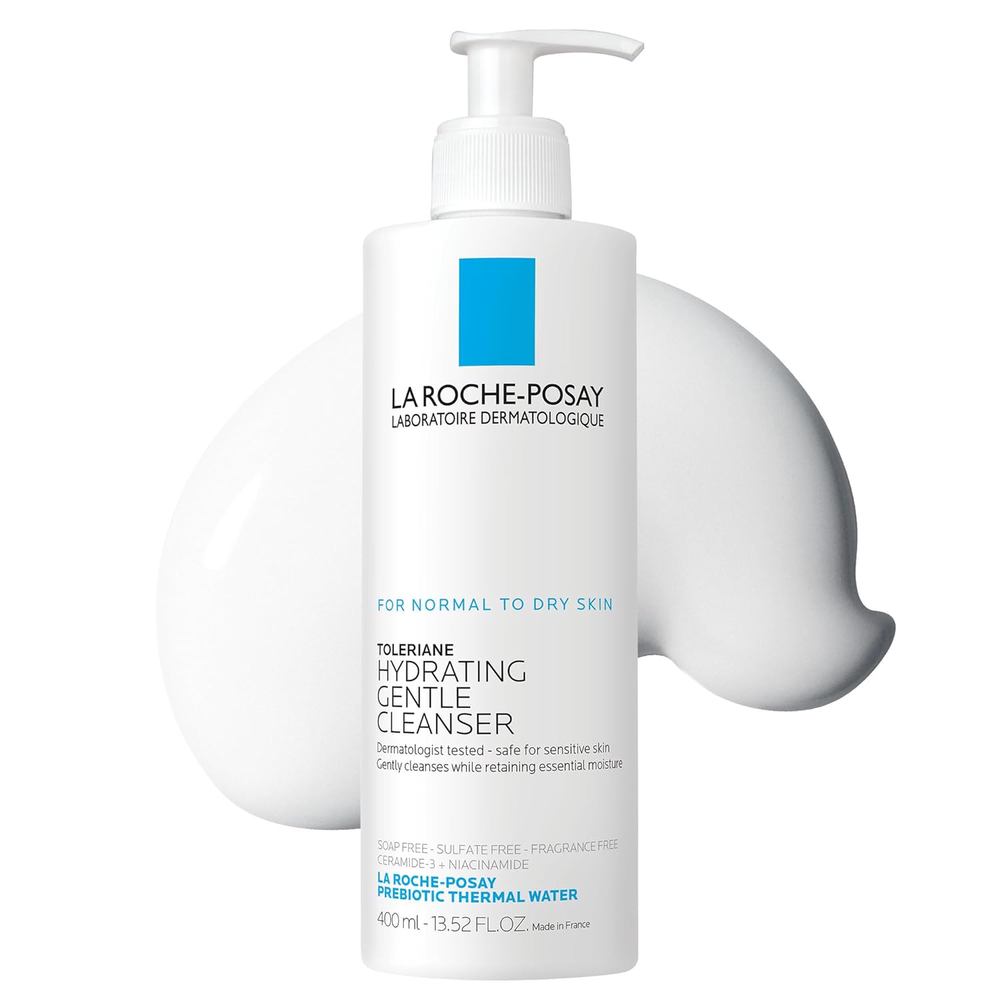
Dermatologist Dr. Jaishree Sharad explains that over-washing and over-scrubbing irritate the skin and can make acne worse, not better. Instead of reaching for a gritty scrub, consider a gentle, non-foaming cleanser. Pat your face dry with a soft towel—avoid rubbing. You want to clean your skin without triggering inflammation.
A quick tip: If your skin feels tight or looks red after washing, you are probably being too harsh. Dial it back.
Habit 2: Reaching for products that tingle or burn
There is a widespread belief that if a product tingles or burns, it must be working deeply. That is not always true. A brief, mild sensation can be normal for some active ingredients, but a lingering sting or burn is a sign of irritation. Your skin is literally telling you something is wrong.
Many popular morning cleansers, toners, and serums contain ingredients that can sensitize the skin, especially when used first thing in the morning. Dr. Sharad advises avoiding products with menthol, peppermint, eucalyptus, lemon, and alcohol. These ingredients can disrupt the skin barrier and cause redness, stinging, or even breakouts in sensitive individuals.
What to look for instead
Choose gentle, fragrance-free formulas that are labeled for sensitive skin. Ingredients like niacinamide, ceramides, and glycerin support the skin barrier and provide hydration without irritation. If you are using an active treatment like salicylic acid or benzoyl peroxide, apply it as a spot treatment only, not all over your face every morning.
Why these habits matter for sensitive and acne-prone skin
When your skin barrier is irritated, it becomes less effective at keeping out bacteria and other environmental aggressors. This can lead to more breakouts, not fewer. Many people fall for the myth that dirty skin causes acne, leading them to scrub harder and use stronger products. In reality, the inflammation from irritation can be a bigger driver of acne than surface oil itself.
Another common myth is that spot treatments alone can clear acne for good. While a salicylic acid or benzoyl peroxide product can help calm a pimple that has already surfaced, it does not prevent new ones from forming underneath. Consistent, gentle care applied to the whole face is more effective than aggressive spot-zapping.
Remember: Your morning routine should prepare your skin for the day, not punish it for not being perfect.
Simple morning adjustments for calmer skin
You do not need an elaborate, expensive routine to protect your sensitive skin. Sometimes, less is more:
- Swap your scrub for a soft washcloth or your fingertips with a gentle cleanser.
- Skip products with a strong cooling sensation or alcohol smell.
- If you use a toner, choose an alcohol-free, hydrating one.
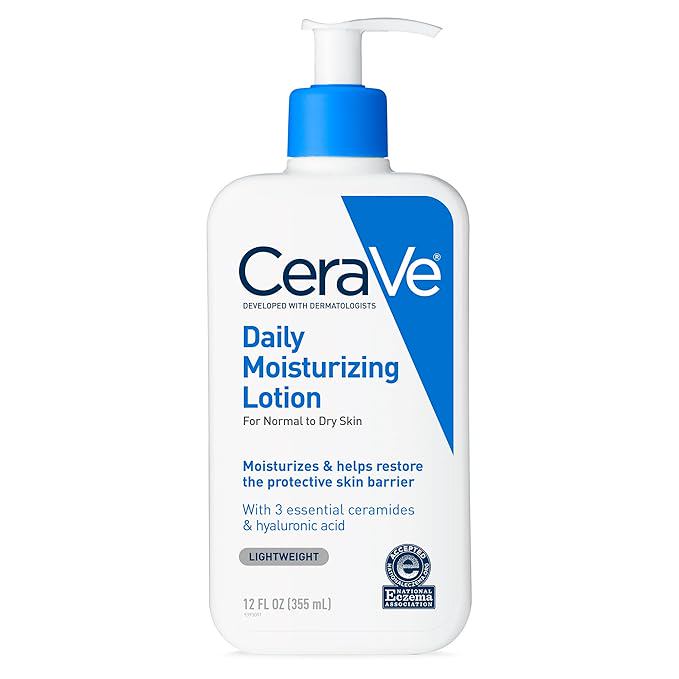
- Follow cleansing with a simple, fragrance-free moisturizer.
- Apply a broad-spectrum sunscreen of SPF 30 or higher—sunscreen itself should not sting; if it does, change brands.
By changing just these two morning habits, you may notice less redness, fewer breakouts, and a more comfortable complexion throughout the day. And if you are ever unsure about a product or routine, a dermatologist can help you find the right approach for your unique skin.