
Your nighttime routine should be a time of repair, not irritation. Yet many people with sensitive skin wake up with redness, tightness, or unexpected breakouts — and often can't figure out why. The problem usually isn't some exotic ingredient. It's a few simple habits that disrupt the skin's delicate barrier overnight. Here are three routine mistakes that make sensitive skin more reactive at night, and what to do instead.
Mistake 1: Over-cleansing or using the wrong cleanser
It feels good to wash the day off, but when you have sensitive skin, the cleansing step is easy to get wrong. Using a foaming cleanser that strips oil, or double-cleansing with harsh tools, can break down the lipid barrier that normally keeps irritants out. At night, when the skin is trying to repair, a damaged barrier lets moisture escape and allows irritants to trigger inflammation.
What to try instead: Switch to a gentle, moisturizing cream or lotion cleanser in the evening. Look for ingredients like ceramides or glycerin that support the barrier. If you wear makeup or sunscreen, a cleansing balm or oil that rinses cleanly without leaving a film is often better tolerated than scrubbing.
Mistake 2: Skipping moisturizer (or using one that's not right for your skin type)
Some people with sensitive or oily skin skip moisturizer at night, thinking it will clog pores or feel too heavy. But the skin's overnight repair process actually needs adequate hydration to function. When moisture levels drop, the skin compensates by producing more oil and by becoming more permeable to environmental triggers. That often shows up as redness or stinging by morning.
“A lack of moisture at night can actually make sensitive skin more reactive, not less,” says Dr. Blossom Kochhar, chairperson of the Blossom Kochhar Group of Companies. “Applying a moisturizing oil or cream after cleansing helps maintain the skin's moisture levels and supports its barrier overnight.”
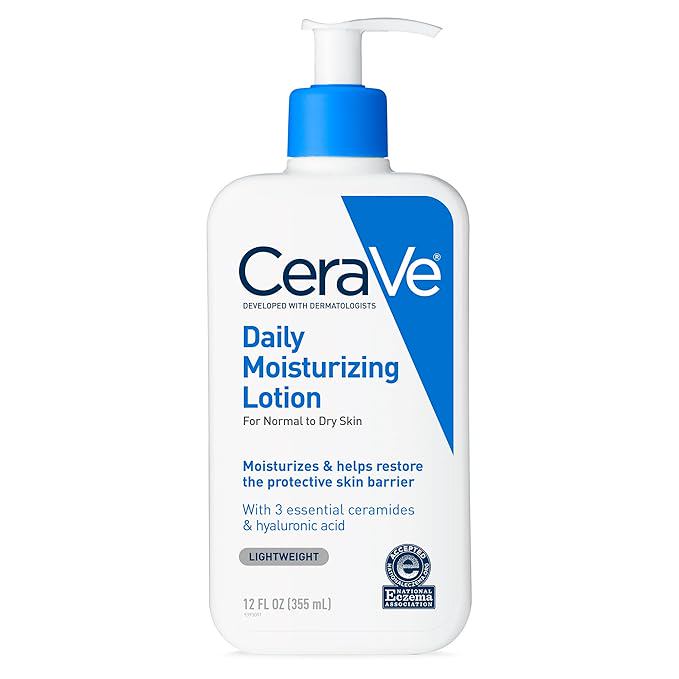
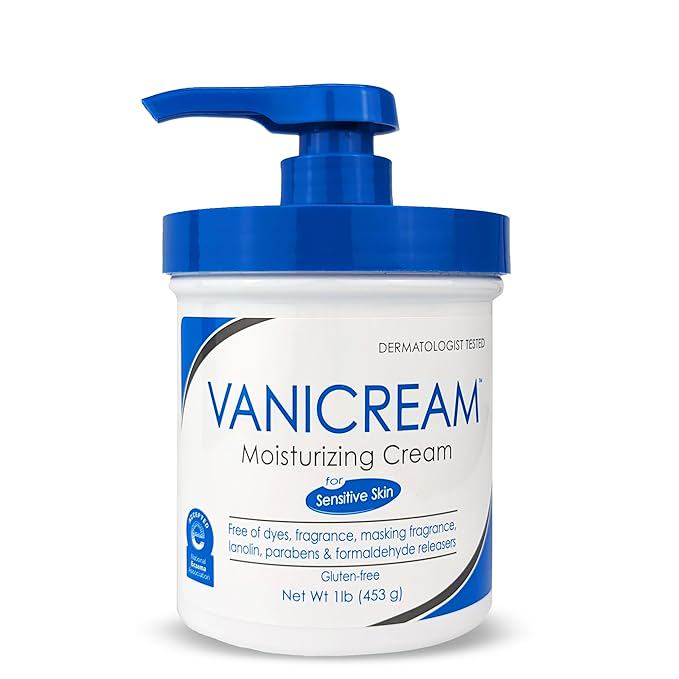
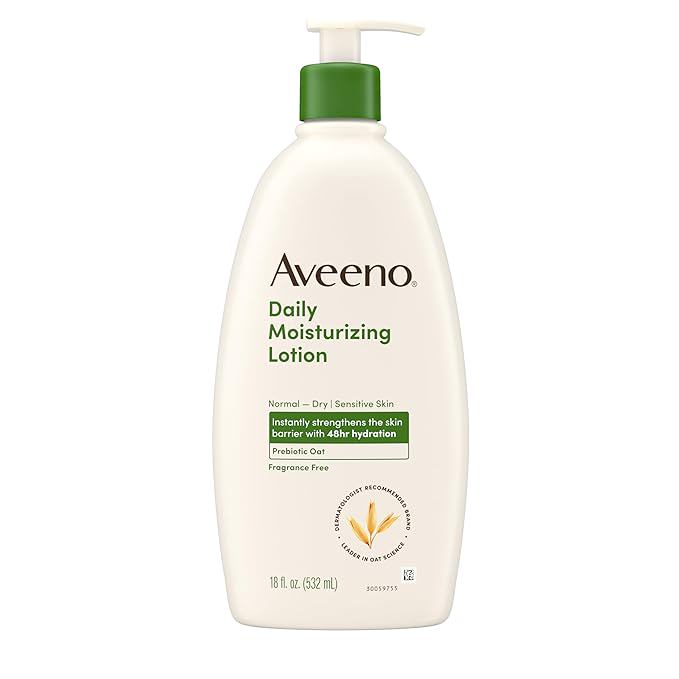
What to try instead: Choose a fragrance-free moisturizer suited for sensitive skin. Ingredients such as niacinamide, squalane, and hyaluronic acid help soothe and hydrate without irritation. Apply it while the skin is still slightly damp after cleansing to lock in moisture.
Mistake 3: Using harsh exfoliants or actives too close to bedtime
Nighttime is the most common hour for applying retinoids, AHAs, or strong exfoliating acids. But for sensitive skin, applying these just before sleep — without enough buffer — can amplify irritation. As you sleep, blood flow to the skin increases, which can heighten the penetration of these actives. If your barrier is already strained, the result may be stinging, peeling, or increased sensitivity that lingers into the next day.
What to try instead: If you use actives, apply them at least 30 minutes before your moisturizer, or consider using them only every other night. Lactic acid is a milder exfoliation option that also helps maintain the skin’s natural moisture factor. Listen to your skin — if it feels tight, tingly, or looks red after applying an active, scale back.
What a smarter sensitive-skin night routine looks like
A gentler approach can make a big difference. Start with a soft, non-foaming cleanser. Pat the skin dry, don't rub. Apply a soothing moisturizer while the skin is still slightly damp. If you use any treatment product, try it before moisturizer, but stop if you notice irritation. Finish with an extra layer of moisturizer or a barrier-repair balm on areas prone to dryness, like the cheeks or around the nose.
For many people with sensitive skin, the most effective nighttime adjustment is simply doing less — and letting the skin's own repair processes work without being interrupted by harsh products or neglect.