
If you have sensitive skin, you know the cycle well: you try a new moisturizer, wash with a gentle cleanser, or even just step outside on a windy day, and your face reacts with redness, stinging, or bumps. Pinpointing exactly what causes these flare-ups can feel like a guessing game. But understanding your personal triggers is the first and most important step toward calmer skin.
This guide breaks down the most common categories of triggers for sensitive skin—from ingredients in your skincare routine to environmental factors—so you can start to recognize patterns and make informed choices. While everyone’s skin is different, the framework below will help you become a detective of your own complexion.
What does it mean when we say “sensitive skin”?
Sensitive skin isn’t a medical diagnosis so much as a description of how your skin reacts. It tends to overreact to stimuli that wouldn’t bother “normal” skin. This can manifest as redness, itching, burning, dryness, or breakouts. The outer protective layer (the skin barrier) may be compromised, allowing irritants to penetrate more easily. Identifying triggers is essentially about finding what disrupts this barrier or activates an inflammatory response.
The main categories of sensitive skin triggers
Skincare and personal care ingredients
This is the most common source of flare-ups. Many products contain ingredients that are known irritants for reactive skin. A good rule of thumb: choose fragrance-free options. The word “unscented” is not the same as “fragrance-free,” because unscented products may still use masking fragrances to neutralize odor.
Common irritants to consider: Fragrance (both natural essential oils and synthetic perfumes), alcohol (especially denatured alcohol, SD alcohol, or isopropyl alcohol), sulfates (like sodium lauryl sulfate), preservatives such as methylisothiazolinone, and certain acids at high concentrations (like glycolic acid).
Even ingredients marketed as “natural” or “botanical” can be triggers. Essential oils such as lavender, peppermint, eucalyptus, and tea tree oil are frequent culprits for sensitive skin, as are plant extracts like citrus or chamomile in some formulations.
Environmental factors
Your skin is your body’s interface with the outside world, so what’s in the air and the climate matters. Common environmental triggers include:
- Extreme temperatures — Cold wind, dry indoor heat, and hot showers can all strip moisture from the skin and provoke a reaction.
- Humidity changes — Transitioning from a humid outdoor environment to an air-conditioned room can shock the skin barrier.
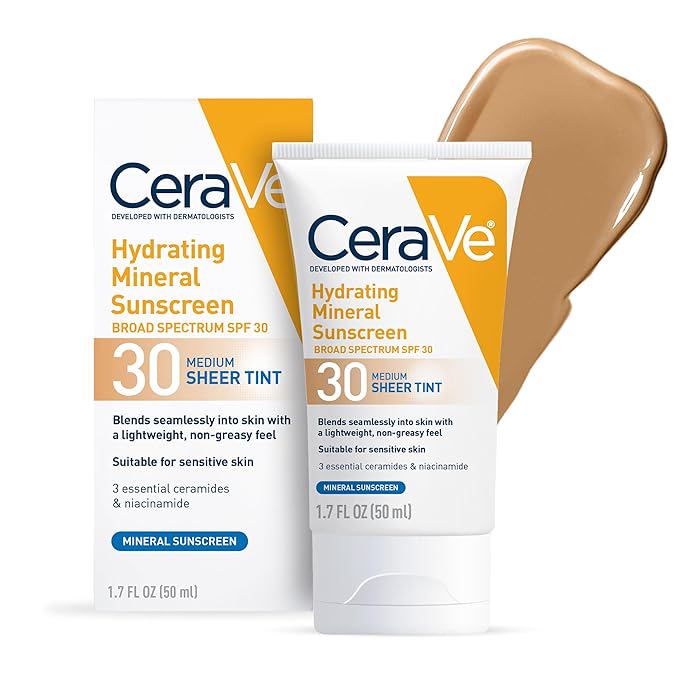
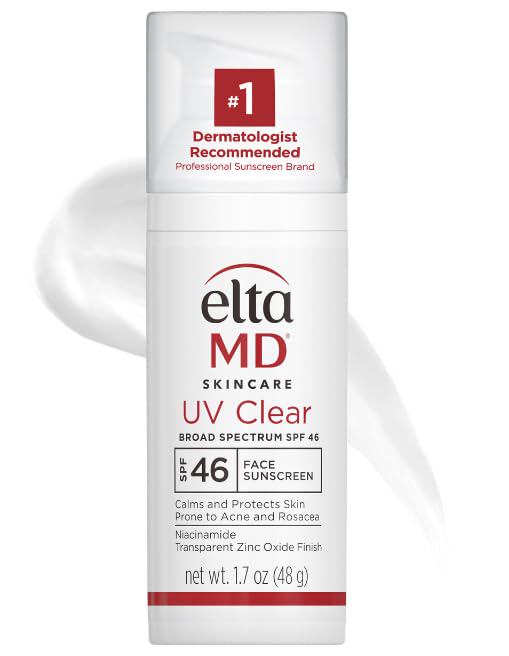
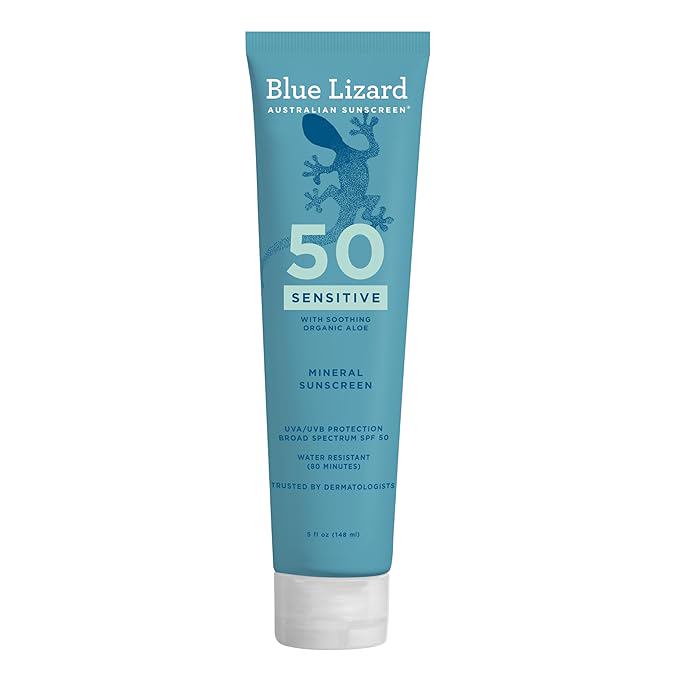
- Sun exposure — UV rays are a well-known irritant, and many people with sensitive skin react to chemical sunscreens (those containing oxybenzone, avobenzone, or octinoxate).
- Pollution and pollen — Airborne particles can settle on the skin and trigger inflammation or oxidative stress.
Lifestyle and dietary influences
What you eat and drink can show up on your skin. Common dietary triggers for flare-ups include spicy foods, alcohol, caffeine, and histamine-rich foods (like aged cheese, wine, and fermented products). Some individuals find that high-sugar or high-dairy diets worsen redness or breakouts.
Stress is another major, often overlooked trigger. When you’re under pressure, your body releases cortisol, which can increase oil production and inflammation, making the skin more reactive to other triggers.
How to identify your personal triggers: a step-by-step approach
There is no universal test for sensitive skin triggers, but a methodical approach works best. Keep it simple and be patient.
- Pause and reset. Strip your routine down to the absolute basics: a gentle, fragrance-free cleanser and a simple moisturizer with minimal ingredients. Use this for one to two weeks until your skin is calm and stable.
- Introduce one product at a time. Add back one product every four to seven days. Watch for any reaction within that window. If you see redness, stinging, or bumps, that product is likely a trigger.
- Keep a skin diary. For two weeks, jot down what you ate, what products you used, the weather, your stress level, and your sleep quality. Note any skin reactions. Patterns usually emerge within a week or two.
- Patch test new products. Before applying anything to your face, test it on a small area—inside your elbow or behind your ear—for 24 to 48 hours.
Tip: Triggers can be cumulative. You might tolerate one glass of wine or one spicy meal alone, but when combined with a new cleanser and a stressful day, your skin may react. This is why the diary method is so valuable.
Common misconception: “hypoallergenic” means safe for sensitive skin
The term “hypoallergenic” is not regulated by the FDA or any standard definition. A product can call itself hypoallergenic and still contain known irritants. Always read the ingredient list, not just the marketing claims on the front label. Look for products with short, recognizable ingredient lists, and lean on resources like the National Eczema Association’s seal of approval when available.
It’s also worth noting that your skin’s sensitivity can change over time. Pregnancy, menopause, seasons, and even medications can alter how reactive your skin is. What worked for you last year may cause a flare-up today.
When to see a dermatologist
If you have persistent redness, swelling, oozing, or severe discomfort, it’s wise to consult a board-certified dermatologist. They can help rule out underlying conditions like rosacea, eczema, contact dermatitis, or psoriasis, which may require specific treatments. A dermatologist can also perform patch testing to identify specific allergens that you may not have guessed on your own.
Remember: General wellness education only. This article is not a substitute for professional medical advice, diagnosis, or treatment.
Identifying triggers for sensitive skin flare-ups takes time, but the payoff is worth it. When you know what sets your skin off, you can build a routine—and a lifestyle—that keeps it calm and comfortable. Start small, stay consistent, and trust the patterns you observe.