
You know the feeling. You crush a heavy squat session or a demanding set of deadlifts, and for the next 24 to 48 hours, your muscles feel stiff, sore, and heavy. This isn't weakness—this is the natural signal of muscle adaptation. But for experienced lifters who train with serious volume and intensity, the question isn't just about how to break down muscle. It's about how to rebuild it efficiently, so you can get back under the bar sooner and stronger.
Research on experienced lifters—people who have been training consistently for at least a year—shows that the nutritional strategies for recovery shift subtly as you gain experience. Beginners respond to almost any protein source and rest period. Advanced lifters, however, face diminishing returns. Their bodies require more deliberate nutritional timing, specific amino acid profiles, and a more strategic balance of macronutrients. Here is what the evidence actually reveals about the foods and eating patterns that help seasoned lifters recover faster.
Prioritize Complete Protein Sources with Leucine
The primary driver of muscle protein synthesis (MPS) after training is the amino acid leucine. Think of leucine as the ignition switch for your body's repair machinery. Research consistently shows that a dose of around 2–3 grams of leucine per meal is the threshold needed to maximally stimulate MPS in trained individuals. For a typical experienced lifter, this translates into roughly 30–40 grams of high-quality protein per meal.
The key is protein density and completeness. Not all protein sources are equal. Experienced lifters benefit most from sources that are naturally rich in leucine and bioavailable. These include:
- Whey protein isolate: Fast-digesting and leucine-dense. It's ideal immediately post-workout because it raises blood amino acids quickly.
- Lean red meat like sirloin or beef steak: Provides creatine, iron, zinc, and a full amino acid profile that supports connective tissue health alongside muscle fibers.
- Eggs and egg whites: A complete protein with a strong leucine punch. The yolk also provides fat-soluble vitamins that support hormone production.
- Poultry and fish: Chicken breast and fatty fish like salmon deliver protein with low saturated fat, and salmon also supplies omega-3 anti-inflammatory fats.
Bottom line: The smartest approach for experienced lifters is to spread high-leucine protein across three to four meals per day, rather than eating a single massive protein shake or steak at only one meal.
Time Your Carbs for Recovery, Not Just Energy
Carbohydrates are often considered fuel for performance, and they are. But for the experienced lifter, carbs play a critical role in recovery after the workout is over. Intense strength training depletes muscle glycogen stores and temporarily elevates the stress hormone cortisol. Consuming carbohydrates post-workout does two things: it replenishes glycogen so your muscles feel fuller and more ready for your next session, and it stimulates a rise in insulin, which is a powerful anti-catabolic hormone that helps shuttle amino acids into muscle tissue.
The research suggests that experienced lifters—particularly those doing multiple-joint lifts like squats, deadlifts, and presses—should aim for 0.5 to 0.7 grams of carbohydrates per pound of body weight within the first few hours after training. The type matters less than the total, within reason. Favor faster-digesting carbs like white rice, white potatoes, or dextrose-based drinks right after training, and then complement with fiber-rich sources like oats and sweet potatoes at later meals. Avoid high-fructose sources when possible, as they can blunt the glycogen-refilling efficiency in the liver and muscle.
Include Tart Cherry Juice for Inflammation Modulation
This is not the first thing most lifters think of, but a growing body of research points to tart cherry juice as a legitimate recovery aid for experienced athletes. Tart cherries are rich in anthocyanins—powerful antioxidants that help reduce inflammation and muscle soreness without blunting the adaptive response that makes you stronger. This is a crucial distinction: you want to reduce excessive soreness that interferes with training quality, but you do not want to fully block the inflammatory cascade that signals your body to adapt and grow.
In controlled studies, lifters who consumed tart cherry juice twice daily for several days before and after heavy resistance training reported significantly less muscle soreness and a faster return to peak strength compared to placebo groups. The effective dose appears to be roughly 8–12 ounces of unsweetened tart cherry juice concentrate diluted in water. It is not a magic bullet, but as part of a comprehensive recovery plan, it offers a natural edge without the risks of anti-inflammatory drugs.
Don't Overlook Omega-3 Fatty Acids
Experienced lifters put repetitive, heavy stress on their joints and connective tissues. While protein rebuilds muscle, omega-3 fatty acids support the reduction of systemic inflammation and may improve joint function. Fatty fish—salmon, mackerel, sardines—are the best dietary sources. Eating two servings of fatty fish per week provides a meaningful dose of EPA and DHA, the active omega-3 fats.
For lifters who do not eat fish regularly, a fish oil supplement is a reasonable substitute, though whole food sources are preferred because they come with beneficial cofactors like vitamin D. Research suggests that daily intake of around 2–3 grams of combined EPA and DHA can lower post-exercise inflammation markers and may also reduce the perception of muscle soreness. Again, the goal is not to stop the repair process, but to keep it from becoming so inflamed that it limits your training frequency.
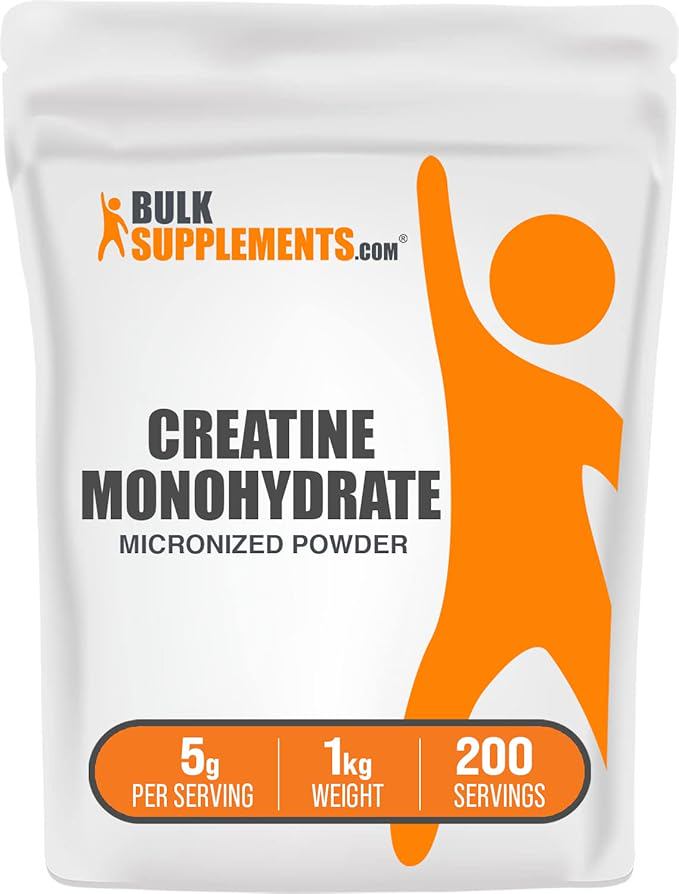
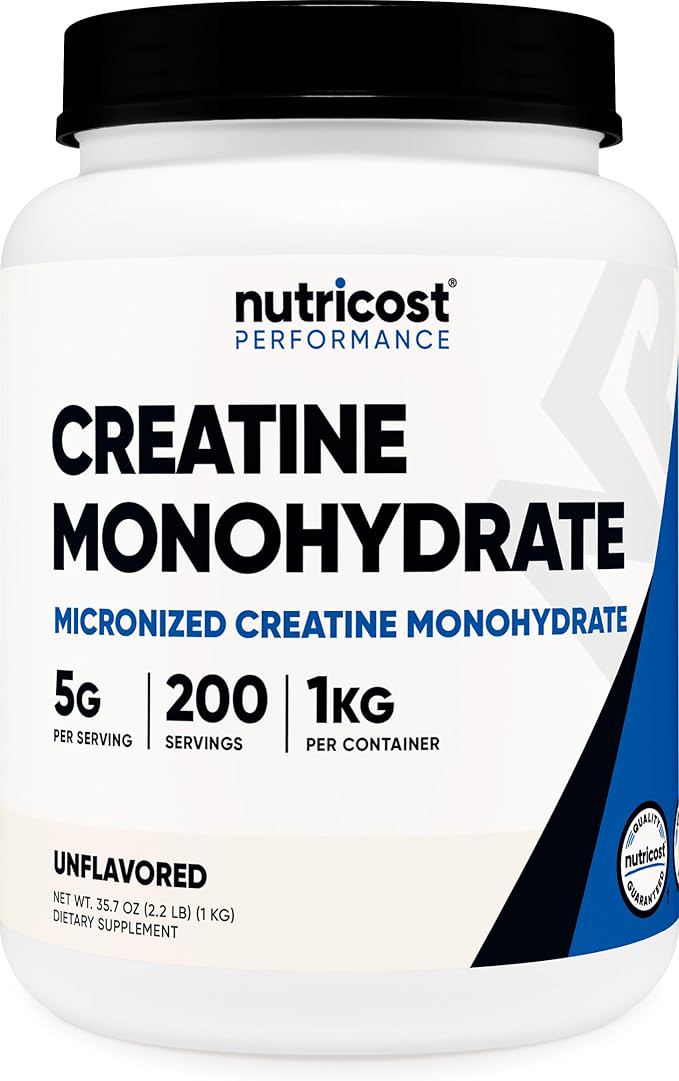
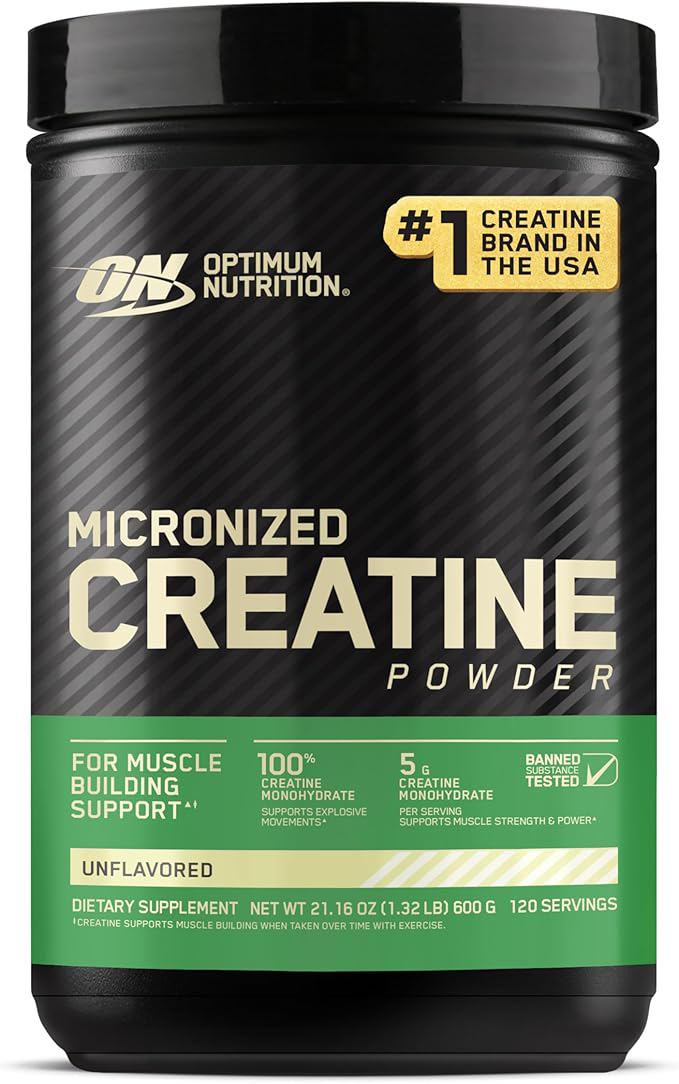
Consider Creatine Monophosphate for Recovery Efficiency
Creatine is one of the most researched supplements in sports science, and its benefits for experienced lifters go beyond just adding rep power. Creatine monophosphate helps replenish ATP more quickly between sets, but it also appears to enhance the recovery of muscle cell membranes after intense exercise. Some studies show that creatine supplementation reduces markers of muscle damage and speeds up strength recovery in the 48–72 hour window post-exercise.
The standard loading protocol (20 grams per day for 5–7 days) can be used to saturate muscle stores, but a more practical approach for experienced lifters is to consume 3–5 grams per day indefinitely. It is safe, inexpensive, and well-tolerated by most people. Mix it into your post-workout shake or your morning oatmeal; it does not require precise timing because muscle stores build up over time. It's one of the few supplements that the research unambiguously supports for improved recovery in trained individuals.
To sum up: experienced lifters do not need to completely overhaul their diet. They need to be more intentional. Prioritize high-leucine protein spread across the day, time carbohydrate intake for glycogen replenishment after training, and include targeted anti-inflammatory foods like tart cherries and fatty fish. These strategies, grounded in research, help you bounce back faster so you can keep training hard and smart.