You’ve just finished a solid strength session. The weights are racked, your muscles are humming, and you’re ready for the next crucial step: recovery. What you eat in the hours after lifting isn't just about quenching hunger; it's the raw material your body uses to repair the microscopic tears in muscle fibers caused by training, making them stronger and more resilient. This window is when your body is primed to absorb nutrients and direct them toward rebuilding.
While the concept of a "perfect" post-workout meal can feel overwhelming, dietitians emphasize a simple, consistent framework. It’s less about a single magic food and more about providing a reliable combination of key nutrients to support the physiological processes you’ve just kickstarted.
The Science of Recovery: Why Timing and Nutrients Matter
After resistance training, your muscles are in a unique state. They’ve depleted their immediate energy stores (glycogen) and the process of muscle protein synthesis (MPS)—the building of new muscle protein—is stimulated. To maximize this repair and growth phase, your body needs two primary things: protein to supply the amino acid building blocks, and carbohydrates to replenish glycogen and help shuttle those amino acids into muscle cells.
Think of it like rebuilding a house. Protein provides the bricks (amino acids), while carbohydrates provide the construction crew (insulin and energy) to lay them efficiently. Without adequate protein, the rebuilding process is slow. Without carbohydrates, the work is inefficient and you’re left feeling fatigued for your next session.
The goal isn't perfection at every meal, but consistency in providing your body with the right tools for repair.
The Core Components of a Recovery Meal
Dietitians break down the ideal post-lift plate into a few manageable components.
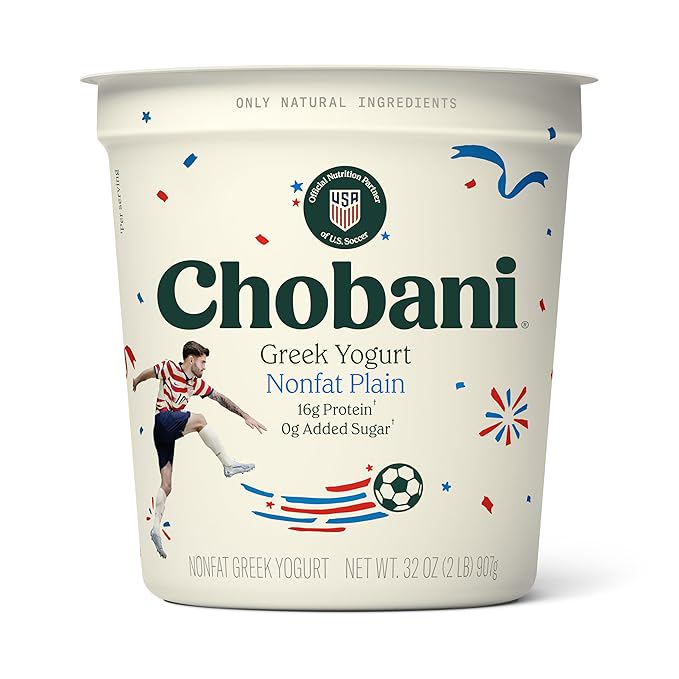
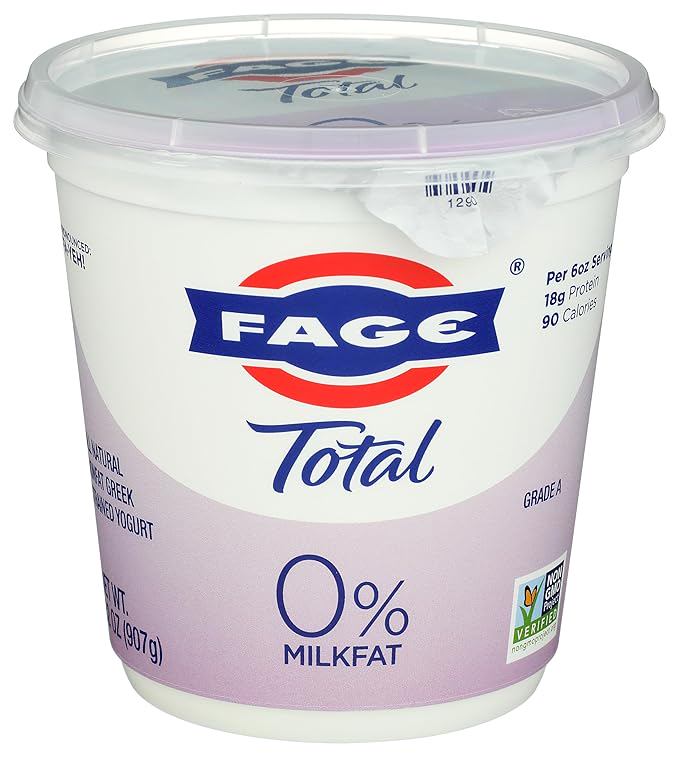
Protein: This is non-negotiable. Aim for 20-40 grams of high-quality protein. Complete proteins—those containing all nine essential amino acids, especially leucine—are most effective at triggering MPS. Sources include lean meats, poultry, fish, eggs, dairy like Greek yogurt or cottage cheese, and for plant-based lifters, combinations like tofu, tempeh, or legumes with grains.
Carbohydrates: Carbs are your friend here. They restore energy and create an insulin response that aids nutrient delivery. Focus on nutrient-dense, complex carbs like sweet potatoes, quinoa, brown rice, oats, or fruit. The amount can vary based on the intensity and duration of your workout, but a general guideline is a 2:1 or 3:1 ratio of carbs to protein for that meal.
Fluids and Electrolytes: You lose fluid and electrolytes like sodium and potassium through sweat. Rehydrating with water is essential, and if your session was particularly long or sweaty, incorporating electrolytes from food (like a banana for potassium) or a beverage can help restore balance.
Practical Meal and Snack Ideas
Translating principles to your plate is the most important step. Here are simple, dietitian-approved ideas that fit real life.
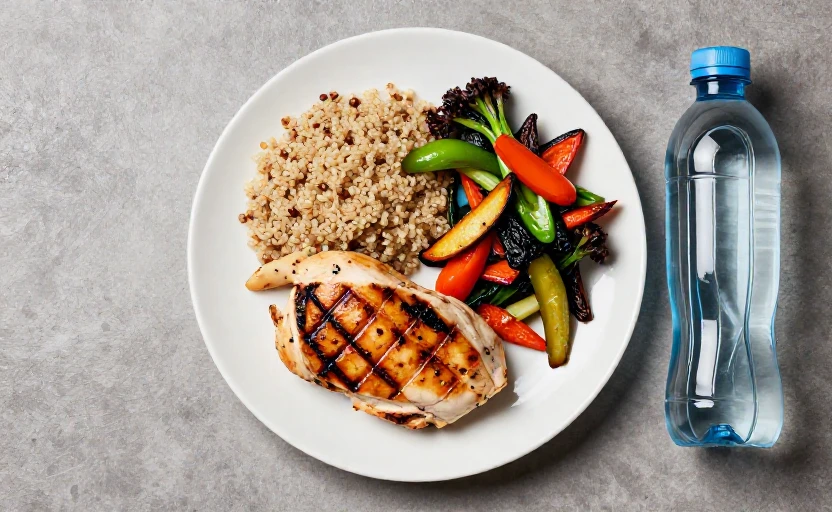
- The Classic Plate: A palm-sized portion of grilled chicken or salmon, a fist-sized serving of roasted sweet potatoes, and a large side of steamed broccoli or a mixed green salad.
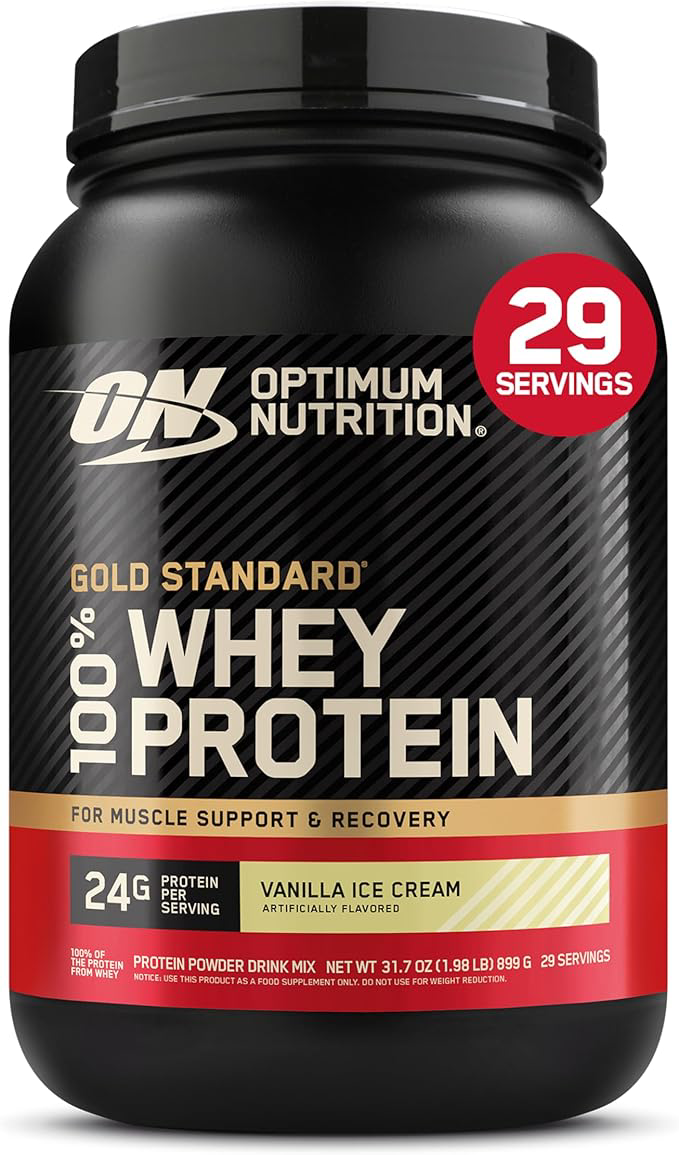
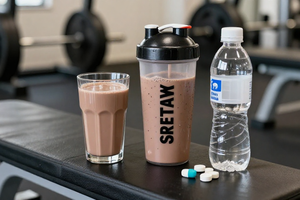
- The Quick Mix: A scoop of protein powder blended with a banana, a handful of spinach, and almond milk (or dairy milk for extra protein).
- The Plant-Powered Bowl: A base of quinoa or brown rice topped with black beans, roasted vegetables, avocado slices, and a tahini-lemon drizzle.
- The Simple Snack: Greek yogurt with berries and a sprinkle of granola, or cottage cheese with pineapple chunks.
- The On-the-Go Option: A hard-boiled egg and a piece of whole-grain toast, or a turkey and cheese roll-up with an apple.
What About the "Anabolic Window"?
You may have heard of a strict 30-60 minute "anabolic window" after training. While consuming nutrients soon after exercise is beneficial, recent perspectives from sports dietitians suggest this window is more flexible than once thought—especially for everyday athletes. If you ate a balanced meal a few hours before your workout, the urgency lessens. The key is to get a recovery meal in within a few hours post-workout, and to focus on your total daily protein and nutrient intake.
Hydration: The Often-Forgotten Factor
Muscle tissue is about 75% water. Dehydration, even mild, can impair muscle repair, reduce strength, and increase fatigue. Water supports every metabolic process involved in recovery. A good practice is to drink water throughout your workout and continue sipping afterward. Monitoring your urine color (aiming for pale yellow) is a simple, effective gauge of hydration status.
Tailoring to Your Needs and Goals
Your ideal recovery nutrition may shift slightly based on your specific training and body composition goals.
If your primary goal is muscle building (hypertrophy), you’ll want to ensure you’re in a slight caloric surplus overall and hitting your daily protein targets consistently, with your post-workout meal being a reliable part of that plan.
If your goal is fat loss while preserving muscle, your overall calorie intake will be lower, but keeping protein high in your post-workout meal is even more critical to signal your body to repair muscle, not break it down for energy. Your carb portion in this meal might be slightly smaller, but shouldn’t be eliminated.
For endurance athletes who also lift, carbohydrate needs for glycogen replenishment will be higher, so adjusting that carb-to-protein ratio upward is often necessary.
Listen to your body. Hunger, energy levels, and performance in your next workout are your best feedback tools.
Ultimately, the best post-lift nutrition strategy is one you can sustain. It doesn’t require exotic ingredients or perfect timing. It requires a mindful approach to giving your hard-working body the protein, carbohydrates, and hydration it needs to rebuild, stronger than before.