If you’ve ever felt like your skin is on a schedule you didn’t agree to—breaking out along your jawline and chin right before your period, or flaring up during times of stress—you’re likely dealing with hormonal acne. It’s a common, often frustrating experience that differs from the occasional pimple. It speaks to the deeper conversation happening between your hormones and your skin.
Understanding this dialogue is the first step toward managing it effectively. It’s not just about what you put on your skin, but about recognizing the internal shifts that trigger inflammation and clogged pores. The approach requires patience and a shift in perspective, moving from quick fixes to sustainable habits that support your skin’s balance.
What makes hormonal acne different?
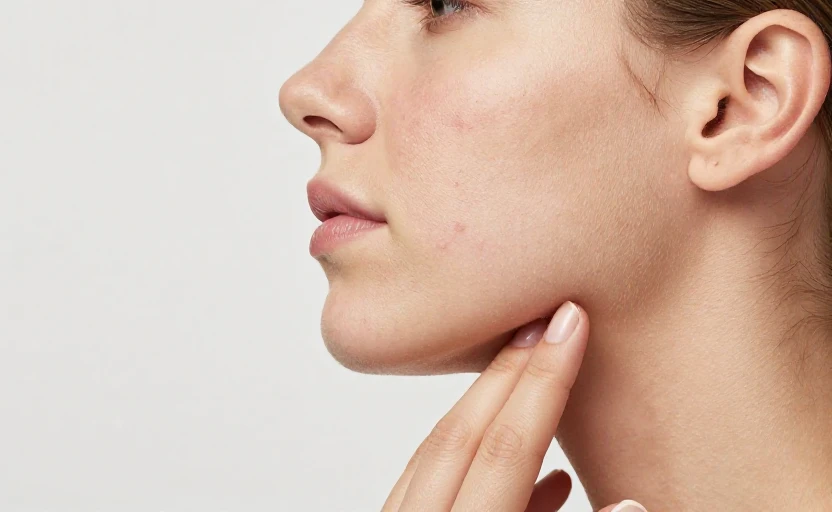
Hormonal acne typically appears in areas where oil glands are more sensitive to hormonal fluctuations, namely the lower face—jawline, chin, and sometimes the neck and back. The lesions are often deeper, more tender cysts or nodules that linger, rather than surface-level blackheads. While it’s most associated with the menstrual cycle, it can also flare during perimenopause, after discontinuing birth control, or with conditions like polycystic ovary syndrome (PCOS).
The hallmark of hormonal acne is its pattern and persistence. It often feels like a recurring visitor, following the rhythm of your internal cycle.
The hormonal triggers beneath the surface
Androgens, like testosterone, are the primary drivers. Everyone produces them, but fluctuations can signal your skin’s oil glands to produce more sebum. This excess oil mixes with dead skin cells, clogging pores and creating an environment where acne-causing bacteria can thrive. This process is why you might notice breakouts during specific phases of your menstrual cycle, when estrogen dips and androgen influence is relatively higher.
Insulin and insulin-like growth factor (IGF-1) also play significant roles. Diets high in refined sugars and dairy can spike insulin levels, which may further stimulate oil production and skin cell growth, exacerbating breakouts. It’s a cascade effect, where internal changes manifest visibly on your skin.
Building an effective skincare routine
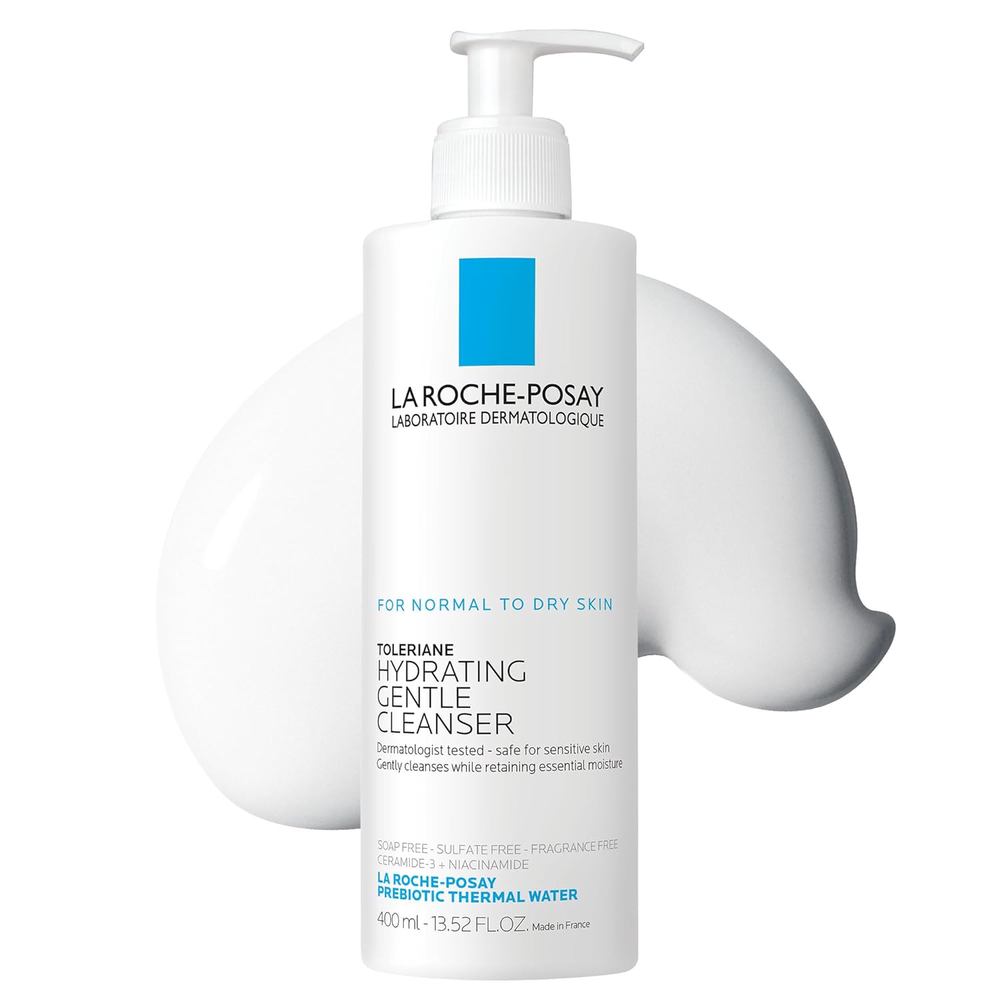
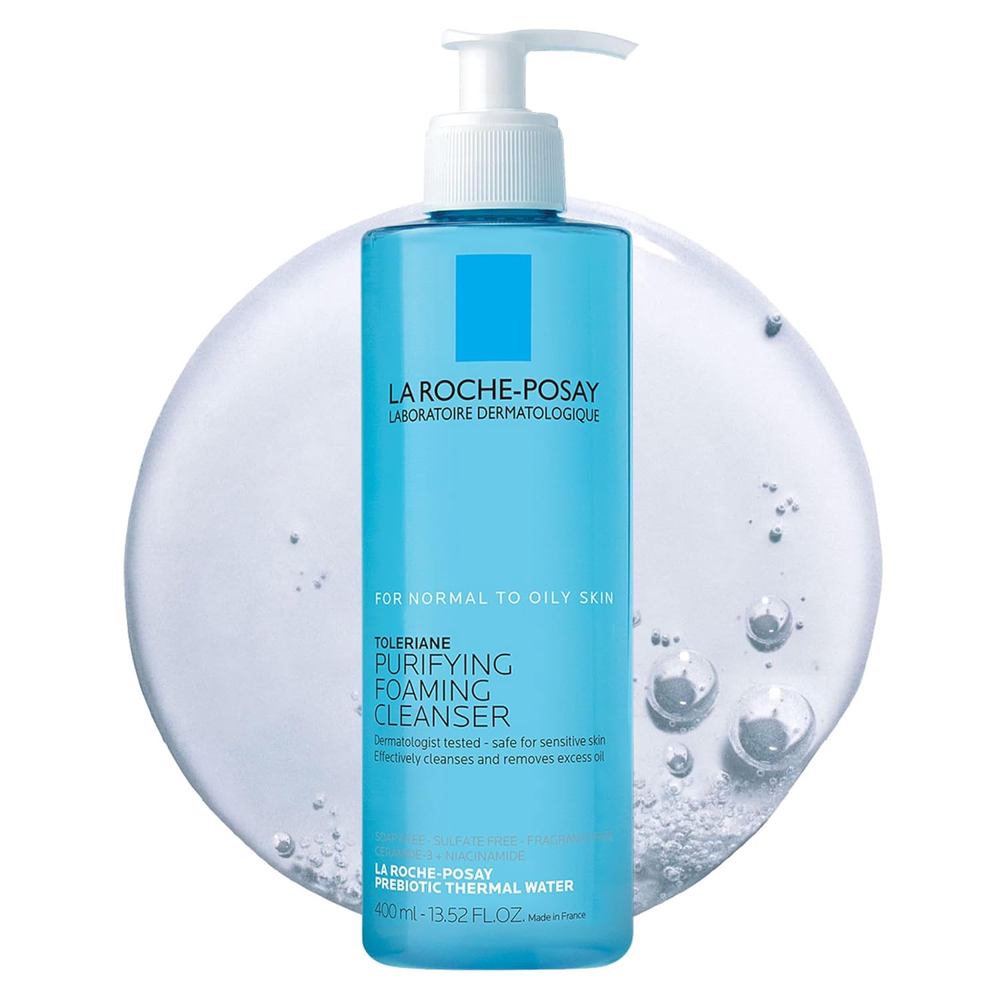
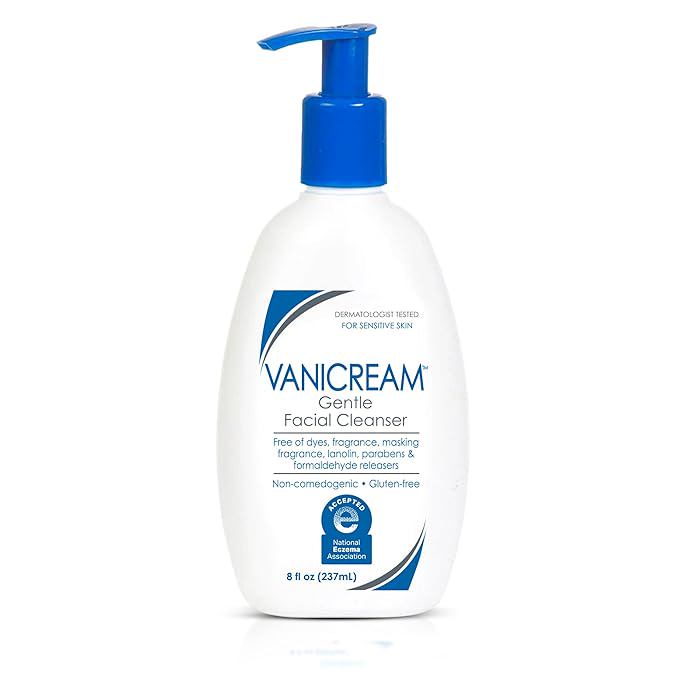
Consistency is more valuable than complexity. A gentle, non-stripping cleanser used twice daily removes excess oil and debris without compromising your skin barrier. Follow with a lightweight, non-comedogenic moisturizer. A compromised barrier can lead to more inflammation, so keeping skin hydrated is a defensive strategy.
Key active ingredients can help manage symptoms. Salicylic acid helps exfoliate inside the pore, while benzoyl peroxide targets acne-causing bacteria. For persistent, inflammatory acne, retinoids (like adapalene, available over-the-counter) are considered a cornerstone. They work by accelerating cell turnover, preventing pores from clogging, and reducing inflammation.
Introduce one new product at a time, and give it several weeks before expecting results. Overloading your skin can cause irritation, which can worsen breakouts. Morning sunscreen is non-negotiable, as many acne treatments increase sun sensitivity.
When to consider professional treatment
If a consistent over-the-counter routine isn’t providing relief after a few months, a board-certified dermatologist can help. They can confirm the diagnosis and tailor a plan. Common in-office treatments include corticosteroid injections for rapid reduction of a painful cyst, or professional chemical peels to help clear pores and smooth texture.
For long-term management, dermatologists may discuss prescription options. Topical prescriptions like combination creams (often containing a retinoid and an antibiotic or benzoyl peroxide) can be more effective. For women, oral medications like combined oral contraceptives or spironolactone can be considered to address the hormonal root cause by regulating androgen activity.
Lifestyle factors that support clearer skin
While not a direct cure, how you live can support your skin’s health. Managing stress through practices like mindfulness, walking, or adequate sleep can help moderate cortisol, a hormone that can influence oil production. Regular physical activity improves circulation and helps manage stress, but be sure to cleanse gently after sweating.
Diet is a nuanced area. There’s no one-size-fits-all “acne diet,” but some find that reducing high-glycemic foods (like white bread, sugary snacks) and dairy, particularly skim milk, can lessen the severity of breakouts. Focusing on a balanced plate with plenty of fiber, healthy fats, and antioxidants supports overall inflammation levels.
Navigating myths and managing expectations
It’s a myth that hormonal acne is solely a teenage issue or that it means your skin is “dirty.” It’s a physiological condition. Another common misconception is that aggressive scrubbing will help; it often harms the skin barrier and increases inflammation.
Realistic expectations are crucial. Treatments work by preventing new breakouts, not instantly erasing existing ones. It can take 6 to 8 weeks to see initial improvements, and several months for significant clearing. The goal is sustainable management, not a one-time elimination.
Your skin’s needs may change with life stages, and so might your approach. Being kind to your skin—and yourself—through the process is perhaps the most underrated part of the journey.