
Dark patches that refuse to fade can be frustrating, especially when you've tried multiple products with little to no change. While some discoloration fades on its own, stubborn marks often point to deeper skin concerns. To understand what causes these persistent patches—and when to see a dermatologist—we spoke with Dr. Nivedita Dadu, a renowned dermatologist, about the most common culprits behind stubborn hyperpigmentation.
Here is what she wants you to know about the root causes, why they linger, and what actually helps.
What makes dark patches so stubborn?
Not all hyperpigmentation is the same. According to Dr. Dadu, the most persistent dark spots usually stem from three main sources: chronic sun exposure, post-inflammatory hyperpigmentation (PIH), and hormonal fluctuations. Each behaves differently, but they share one thing in common—they deepen and last longer when the skin barrier is compromised or inflamed.
Sun damage is the most widespread cause. UV rays stimulate melanocytes to produce excess melanin, leading to sunspots and uneven tone. Unlike a tan that fades, these patches can become permanent if unprotected exposure continues. PIH appears after an injury or breakout—think acne or even a minor scratch—and tends to linger for months in deeper skin tones. Hormonal triggers, such as melasma, often surface on the cheeks, forehead, and upper lip, and are notoriously hard to shift because internal factors continue to fuel them.
Why some spots just won't go away
You might be doing everything right—wearing sunscreen, using serums—and still see little change. Dr. Dadu explains that stubborn dark patches are often a sign that the skin barrier is compromised. When the barrier is weak, moisture escapes and irritants penetrate more easily, which signals melanocytes to keep producing pigment.
In other cases, the real issue is using the wrong active ingredients. A common mistake is applying harsh exfoliants or strong fading agents on sensitive skin, which triggers more inflammation and paradoxically worsens hyperpigmentation. Similarly, skipping a consistent routine—starting and stopping treatments—confuses the skin and stalls progress.
A quick check: if a dark patch feels rough, itchy, or has a raised border, it needs a dermatologist's evaluation. It could be a different condition altogether, not simple pigmentation.
Common causes dermatologists want you to know about
Let's break down the top triggers Dr. Dadu sees in her practice daily.
1. Accumulated sun exposure without protection
Even incidental sun exposure (commuting, sitting by a window) adds up over years. The skin remembers every UV hit, and dark patches are its silent record. Sunscreen isn't optional—it's the foundation of any fading plan.
2. Post-inflammatory pigmentation from acne or other trauma
This is especially common among people with medium to dark skin tones. After a zit heals, a flat, dark spot can remain for weeks or months. Picking at blemishes makes it worse.
3. Melasma driven by hormones
Melasma is often triggered by pregnancy, birth control pills, or thyroid issues. Unlike sunspots, it appears symmetrically on the face and can extend to the jawline. Without addressing underlying hormonal triggers, topical treatments have limited effect.
4. An impaired skin barrier
As mentioned earlier, a damaged barrier is both a cause and a perpetuator of stubborn pigmentation. When the outer layer cannot hold hydration or fend off irritants, melanocytes stay overactive. This is why many dermatologists prescribe barrier repair before any strong lightening agent.
5. Friction and physical irritation
Regular rubbing from a mask, glasses, or even washing with rough cloths can cause 'friction melanosis.' This is subtle but real: repeated micro-injury leads to diffuse darkening, especially on the cheeks and around the mouth.
The role of genetics in stubborn pigmentation
Genetics play a role too. Some people are simply predisposed to produce more melanin in response to inflammation or sun exposure. This doesn't mean you can't treat the patches, but it does mean that prevention and maintenance are lifelong practices. For those with a family history of melasma or persistent PIH, dermatologists recommend a low-maintenance but consistent routine built on broad-spectrum SPF, gentle cleansing, and barrier-supporting moisturizers.
When home remedies aren't enough
It's tempting to try lemon juice, yogurt masks, or trending DIY recipes for dark spots. Dr. Dadu cautions that these rarely work and can actually worsen hyperpigmentation by causing irritation or even burns. Natural acids are uncontrolled; they can disrupt the pH of your skin and trigger more pigment production as the skin tries to heal.
Instead, reliable over-the-counter options include ingredients like tranexamic acid, niacinamide, and stable vitamin C. But if a dark patch has been present for more than six months despite consistent sunscreen use and gentler care, it's time to see a dermatologist for prescription options or in-office procedures like chemical peels or laser therapy—performed by a qualified professional only.
Practical steps to prevent new dark patches from forming
- Daily SPF is non-negotiable. Use a broad-spectrum sunscreen of SPF 30 or higher, and reapply every two hours when outdoors.
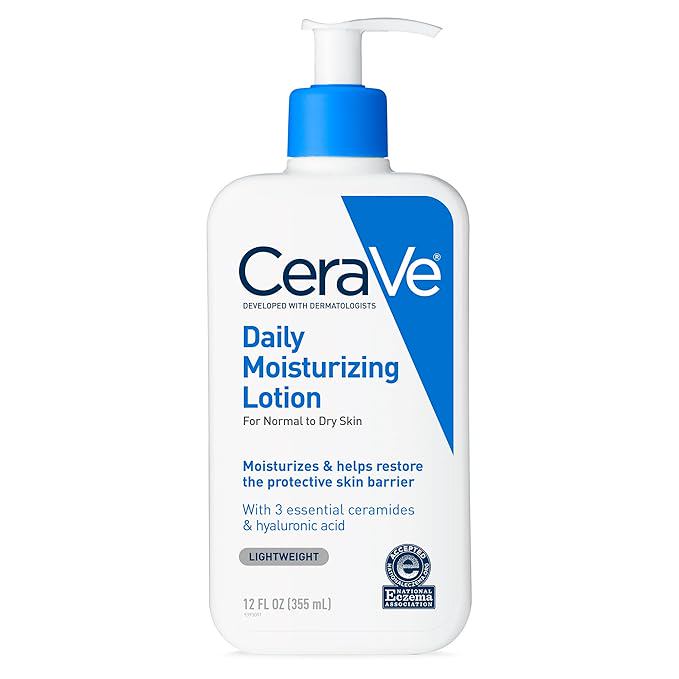
- Keep your barrier healthy with a rich moisturizer containing ceramides or glycerin, especially if you live in a dry or polluted area.
- Treat breakouts early and gently to reduce the chance of PIH. Avoid picking, squeezing, or scrubbing active acne.
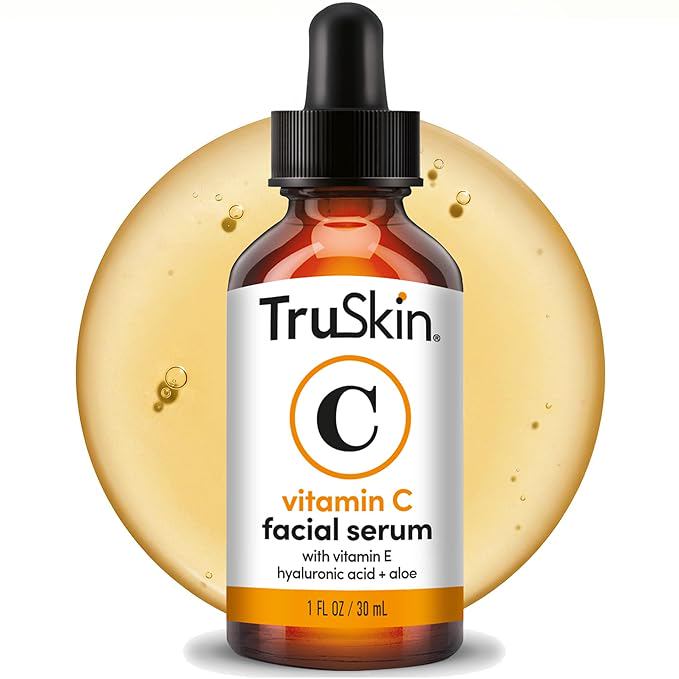
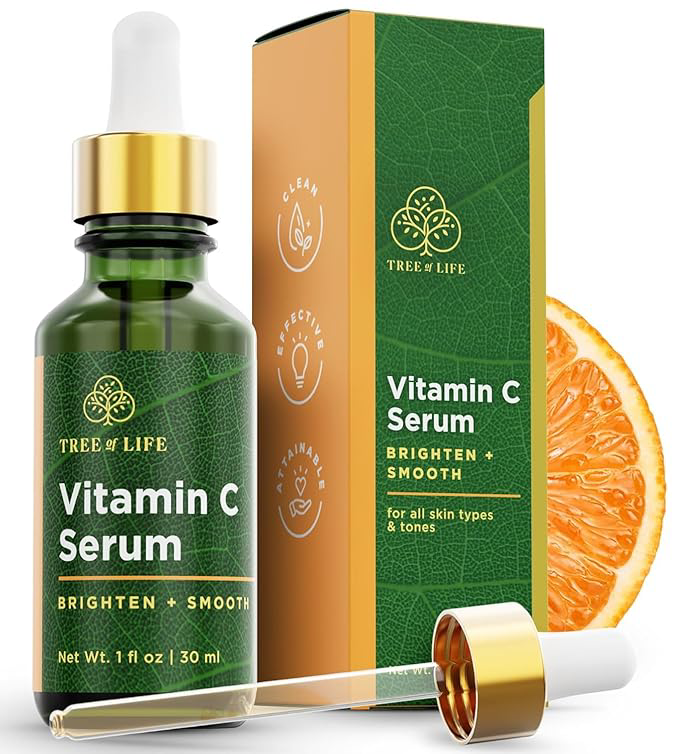
- Include pigment-fighting antioxidants like vitamin C in your morning routine to slow new melanin production.
- Patch-test new products on a small area of skin before applying to the whole face to prevent allergic reactions or irritation.
Bottom line for your skin
Stubborn dark patches usually have a clear root cause—sun damage, past inflammation, hormones, or barrier weakness. Identifying the exact type is the first step, and consistent sun protection is the foundation for every treatment plan. If your skin isn't responding after months of good care, a dermatologist can offer insights and prescription options that are safer and more effective than going it alone.