Few things feel more frustrating than waking up to a deep, tender bump on your jawline or chin—especially when you’re well past your teenage years. Adult cystic acne, the kind that lives under the skin and rarely comes to a head, often has a hidden trigger sitting right in your fridge. For years, dermatologists have heard the question: "Does dairy cause my breakouts?" The short answer is nuanced, but the evidence is strong enough that many skin experts now advise a closer look at milk, cheese, and yogurt when treating persistent adult breakouts.
Cystic acne forms when pores become clogged with dead skin cells and sebum, then rupture deep within the dermis, causing inflammation. While hormones, stress, and genetics all play a role, diet—especially dairy—has emerged as a significant player, particularly for women in their twenties, thirties, and forties. Here is what dermatologists want you to know about the link and how to approach it without going to extremes.
Why dairy might be triggering your cystic acne
Not everyone who drinks milk gets acne, but researchers have identified a few plausible mechanisms. Cow's milk naturally contains hormones, including insulin-like growth factor 1 (IGF-1) and whey protein, both of which can ramp up oil production and skin cell turnover—two root causes of cystic acne. In addition, dairy can spike your body's insulin levels, which in turn increases androgen hormones, further stimulating sebaceous glands.
A 2018 review in the journal Nutrients confirmed a consistent association between dairy intake and acne, with skim milk showing a slightly stronger link than whole milk. Scientists suspect that processing skim milk may increase its hormonal bioavailability, though the evidence isn't final. Cystic acne, being the most inflammatory form of the condition, seems especially sensitive to these hormonal fluctuations.
The key takeaway for adults: milk's effect on acne is not a myth—it's a documented biological phenomenon that varies by individual.
Who should consider cutting back on dairy?
If you are an adult with persistent, deep cystic lesions along the jawline, chin, or lower cheeks, dairy is worth investigating. This pattern is often tied to hormonal sensitivity, and dairy can act as a dietary amplifier. Dermatologists generally do not recommend a zero-dairy life for everyone—but they do suggest a targeted trial period for those who fit this profile.
Other signs include breakouts that worsen after meals containing cheese or milk, a family history of dairy sensitivity, or acne that has not responded well to topical treatments alone. Keep in mind that adult cystic acne can also stem from polycystic ovary syndrome (PCOS), high stress, or certain medications, so it is important not to self-diagnose solely based on diet.
How to test dairy's effect on your skin
If you suspect dairy is part of your breakout puzzle, dermatologists recommend a structured elimination phase rather than a drastic cold-turkey approach. The goal is to gather clear data, not to punish yourself.
- Go fully dairy-free for three weeks. This means no milk, cheese, yogurt, butter, cream, or hidden sources like whey protein powder and casein in processed foods. It takes about two to three weeks for inflammatory markers to settle, so commit to the full window.
- Log your skin daily. Take a photo each morning in the same lighting and note any new cysts, tenderness, or redness. A simple note in your phone works.
- Reintroduce one dairy food at a time. After the elimination period, add back plain yogurt for three days, then pause. Observe for breakouts. Next, try cheese. Wait. Finally, try milk. This helps you identify which specific type of dairy triggers your skin.
Many patients find that hard aged cheeses (such as cheddar or parmesan) are less reactive than soft cheeses or milk, possibly due to lower lactose and whey content. Some can tolerate A2 milk (from cows with a different protein structure) or goat milk products with fewer issues.
Dairy alternatives that support clear skin
Switching to nondairy options is easier than ever, but not all alternatives are equal for acne-prone skin. Some commercial nut milks contain added sugars, gums, or emulsifiers that can also promote inflammation. Here is how to choose wisely:
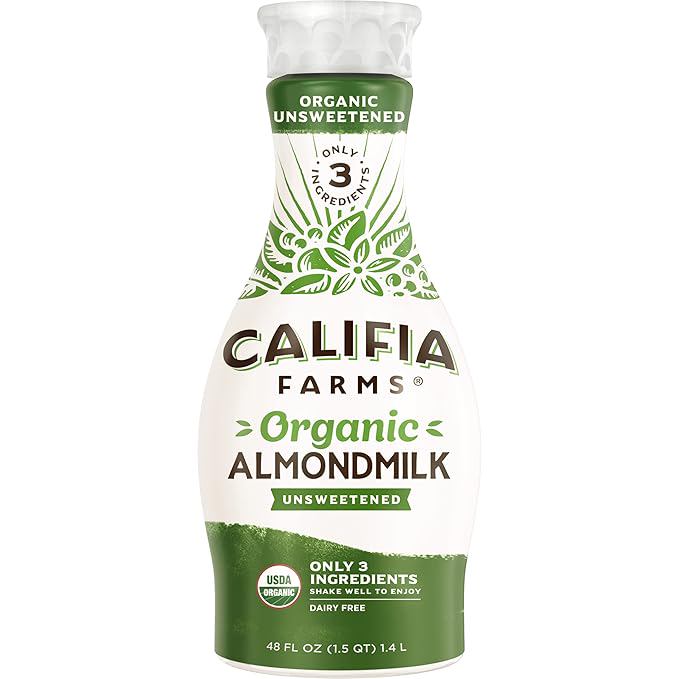
- Unsweetened almond or oat milk without added oils or carrageenan are solid daily choices for coffee, cereal, and cooking.
- Coconut milk (canned, unsweetened) works well in savory dishes and does not spike insulin significantly.
- Hemp or flax milk offer omega-3 fatty acids, which may actually help reduce skin inflammation.
- Avoid creamy coffee creamers made with hydrogenated oils or high-fructose corn syrup—these can worsen acne independent of dairy.
What dermatologists do not recommend
While many online influencers push extreme dairy-free protocols, board-certified dermatologists warn against a few common pitfalls:
- Do not replace dairy with high-glycemic carbs. Swapping milk for sugary oat lattes or bagels with nondairy cream cheese can spike blood sugar and worsen acne via a different pathway.
- Do not assume dairy is the only cause. Cystic acne is multifactorial. Even if you react to dairy, you may still need a consistent skincare routine containing ingredients like benzoyl peroxide, adapalene, or azelaic acid (all available over the counter or by prescription).
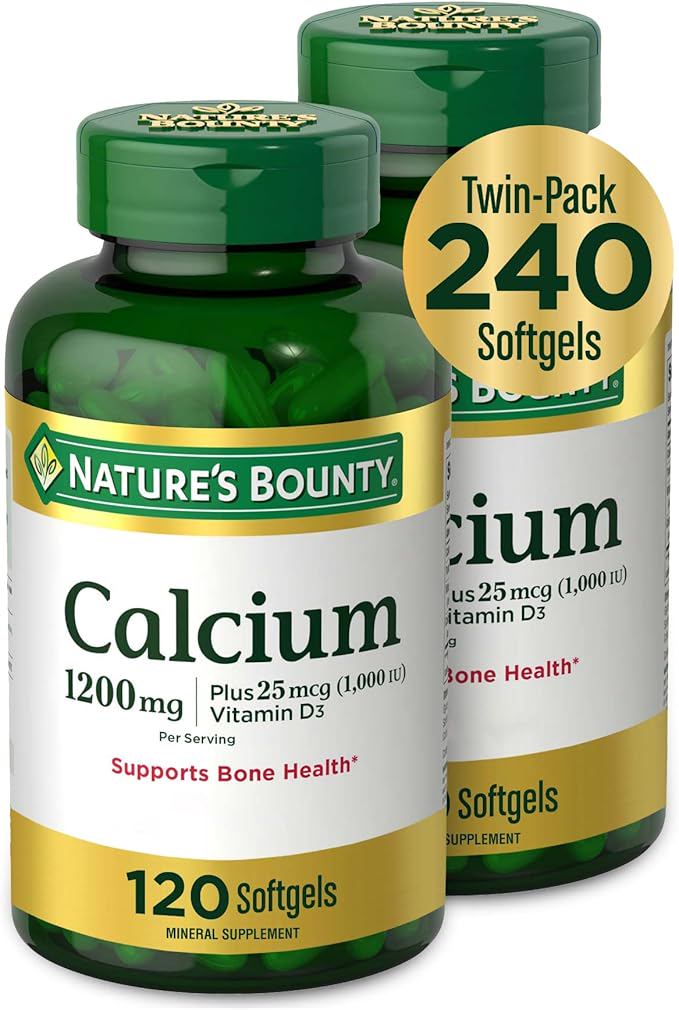
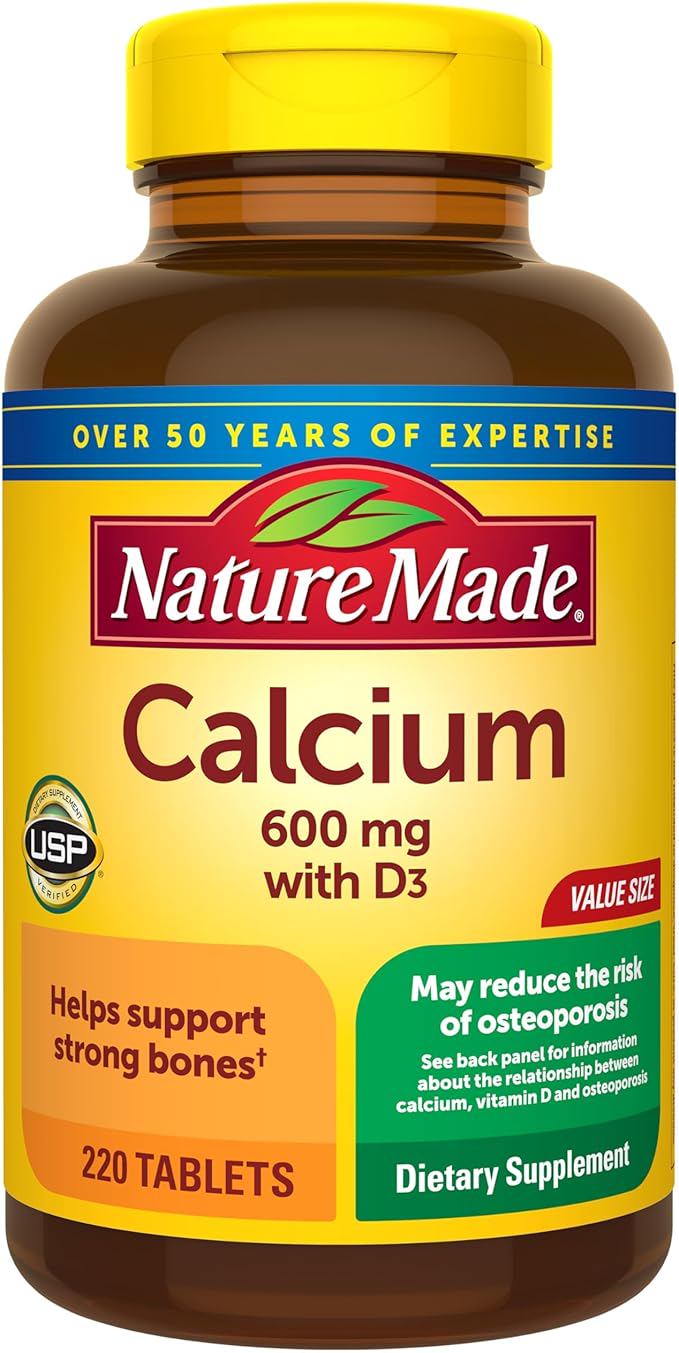
- Do not restrict calories or calcium. Adults need about 1,000 mg of calcium daily. If you remove dairy, eat calcium-rich foods like canned sardines with bones, almonds, cooked kale, calcium-set tofu, and fortified nondairy milks. A calcium supplement may be appropriate—check with your doctor.
Frequently asked questions
Q: Can one slice of cheese give me a cyst overnight?
A: Unlikely. Acne flare-ups from dairy typically take 24 to 72 hours to surface as increased oil production or inflammation. Immediate reactions are more likely due to food allergy or rosacea triggers.
Q: Are fermented dairy products like yogurt and kefir better for acne-prone skin?
A: Possibly. The fermentation process reduces some whey and lactose, and live probiotics may support a healthier gut microbiome, which can influence inflammation. Some people tolerate plain, unsweetened yogurt better than milk.
Q: Should I try hormone-free or organic milk before cutting dairy entirely?
A: Organic milk has fewer antibiotic residues, but it still contains naturally occurring bovine growth hormones and IGF-1. Most dermatologists find that switching to organic does not resolve cystic acne in sensitive individuals.
Q: What about whey protein powder in smoothies—does it count?
A: Yes, and it is one of the most common hidden triggers. Whey protein concentrates are highly insulinogenic and can cause significant breakouts, especially in people trying to build muscle. Consider pea or rice protein as a dairy-free alternative.