
Persistent facial redness can feel like a stubborn puzzle. You might have tried soothing creams or gentle cleansers, only to see the flush return. While occasional redness can be a normal reaction to weather or emotion, ongoing redness that doesn't fade may point to an underlying skin condition such as rosacea, seborrheic dermatitis, or chronic inflammation.
To help you cut through the noise, we spoke with board-certified dermatologists about three science-backed treatment options they commonly recommend for persistent redness. Each option targets a different root cause, so understanding the difference can help you have a more informed conversation with your own provider.
What causes persistent facial redness?
Before exploring treatments, it helps to understand why the redness is there in the first place. Persistent redness often involves dilated blood vessels, a compromised skin barrier, or low-grade inflammation. In rosacea, for example, the immune system overreacts to certain triggers, causing blood vessels to enlarge and skin to flush. In other cases, an overgrowth of microscopic mites or bacteria on the skin can fuel inflammation.
“Persistent redness is rarely just a surface issue,” explains Dr. Emily Hartman, a dermatologist based in Austin, Texas. “It’s usually a signal that something deeper is happening in the skin’s vascular or immune response. That’s why a one-size-fits-all moisturizer rarely solves it.”
Dermatologist’s tip: Keeping a simple diary of flare-ups—noting what you ate, applied, or did that day—can help you and your doctor identify personal triggers.
Option 1: Prescription topicals that calm inflammation
For mild to moderate persistent redness, dermatologists often start with a prescription cream or gel. The goal here isn't just to cover up the redness but to reduce the underlying inflammatory signals.
One common category is topical ivermectin, which targets Demodex mites—tiny organisms that can trigger rosacea-related redness. Another is azelaic acid, a naturally occurring compound that reduces inflammation and helps normalize skin cell turnover. Brimonidine gel is also used in some cases; it works by constricting blood vessels temporarily, which visibly reduces redness within hours.
“Topicals are usually the first line because they’re low-risk and can be very effective when used consistently,” says Dr. Hartman. “But they require patience—most take 4 to 8 weeks to show a real difference.”
It's important to note that these are prescription medications. A dermatologist will determine which one suits your skin type and redness pattern. Self-prescribing can lead to irritation or worsening of the condition.
Option 2: Laser and light-based therapies
When topicals aren’t enough, or when visible blood vessels (telangiectasias) are contributing to the redness, in-office laser treatments can provide more dramatic results.
The most commonly used device for redness is the pulsed dye laser (PDL). It emits a concentrated beam of light that is absorbed by hemoglobin in the blood vessels. The heat destroys the abnormal vessels without damaging surrounding skin. After a series of treatments, many patients see a 50 to 80 percent reduction in redness.
Intense pulsed light (IPL) is another option. Although technically not a laser, IPL uses broad-spectrum light to target redness and pigmentation. It's less precise than PDL but can be effective for diffuse redness across larger areas like the cheeks and nose.
“Laser therapy is a game-changer for patients who have visible broken capillaries,” notes Dr. Hartman. “Topicals can’t fix those vessels—only light-based treatments can collapse them.”
Multiple sessions are typically required, spaced four to six weeks apart. Side effects may include temporary bruising, swelling, or purpura (small purple spots) that resolve within a week or two.
Option 3: Oral medications for moderate to severe cases
For persistent redness that hasn't responded to topicals or lasers—or for cases accompanied by pustules or swelling—oral medications may be considered.
Low-dose doxycycline, a type of tetracycline antibiotic, is commonly prescribed. At subantimicrobial doses, it works primarily as an anti-inflammatory agent, reducing the immune response that fuels redness and bumps. It does not kill bacteria at this low dose, which helps avoid antibiotic resistance.
Isotretinoin, a powerful vitamin A derivative, is reserved for severe, treatment-resistant rosacea or acne. It reduces oil gland activity and inflammation dramatically. However, it comes with significant side effects—dryness, sun sensitivity, and potential birth defects—so it requires close monitoring by a dermatologist.
“Oral medications are not a first step, but they can make a huge difference when other options have failed,” says Dr. Hartman. “Patients need to be aware of the risks and commit to regular blood work if they go on isotretinoin.”
What about lifestyle changes?
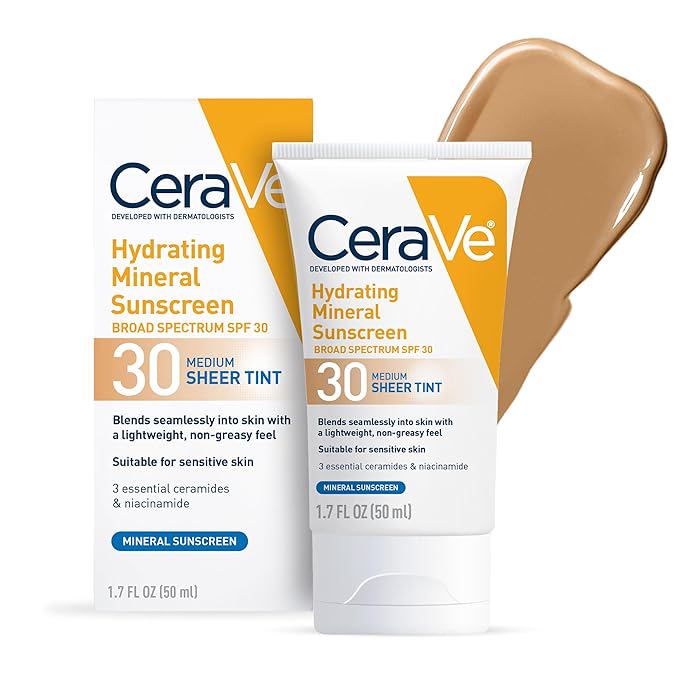
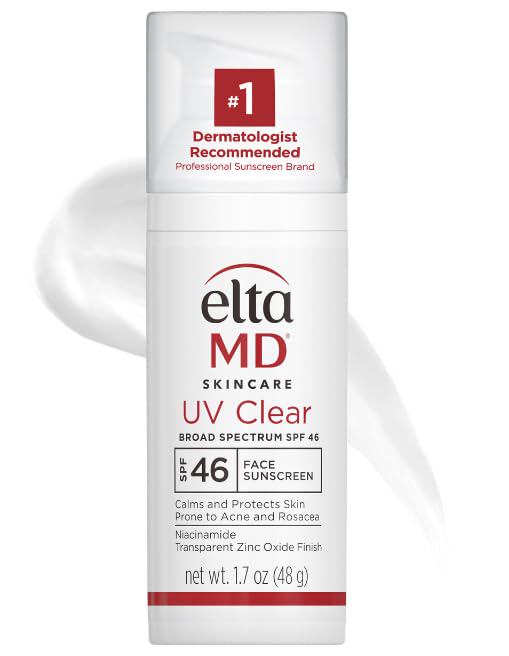
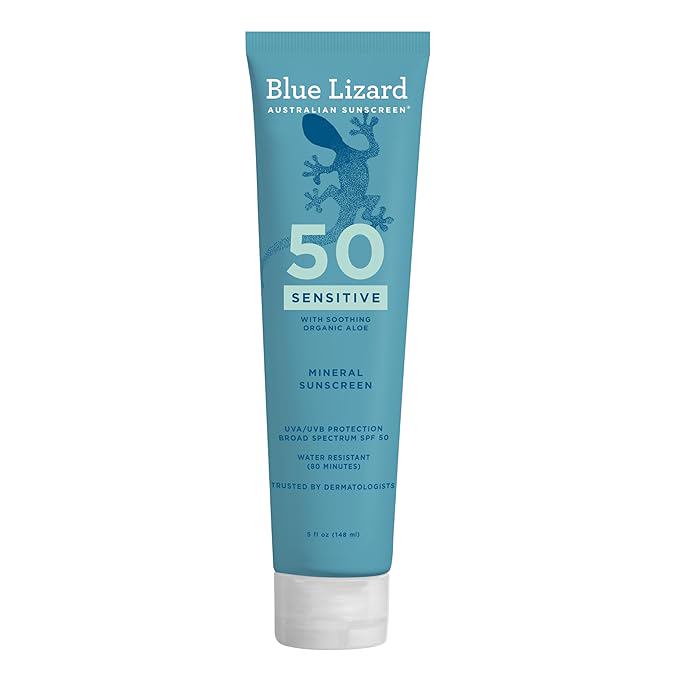
While this article focuses on medical treatments, dermatologists stress that lifestyle factors play a supporting role. Sun exposure is a major trigger for redness in rosacea-prone skin. Daily use of a mineral sunscreen (with zinc oxide or titanium dioxide) is non-negotiable for anyone with persistent redness.
Common dietary triggers include spicy foods, alcohol (especially red wine), hot beverages, and caffeine. While not everyone reacts the same way, keeping a trigger diary can help identify patterns. Gentle skincare routines—avoiding harsh scrubs, fragrances, and alcohol-based toners—also help maintain the skin barrier.
When to see a dermatologist
If your redness has lasted more than a few weeks, is getting worse, or is accompanied by bumps, eye irritation, or stinging, it's time to see a board-certified dermatologist. Persistent redness can be a sign of rosacea, lupus, or another condition that needs proper diagnosis.
“Don’t just throw random products at it,” advises Dr. Hartman. “A correct diagnosis changes everything. What looks like redness to you might be a specific subtype of rosacea that responds best to a specific laser or topical.”
Treatment is not one-size-fits-all. A combination approach—using a topical to reduce inflammation, laser therapy to address visible vessels, and smart lifestyle tweaks—often yields the best results.