
If your skin turns red at the slightest provocation — a new moisturizer, a gust of wind, or even just washing your face — you know the frustration of sensitive skin. Redness, tightness, and that stinging sensation can make you feel like your skin is constantly working against you. Instead of layering on more products that might cause a reaction, sometimes the most effective solutions are the simplest ones.
The good news is that many soothing ingredients are already in your kitchen. Below are five research-backed home remedies designed specifically to calm irritated skin and reduce visible redness. These gentle approaches focus on strengthening your skin's natural barrier, not stripping it.
1. Colloidal Oatmeal Mask for Instant Calming
Colloidal oatmeal (finely ground oats) has been used for centuries to soothe itchy, inflamed skin. The FDA even recognizes it as a skin protectant. Oats contain avenanthramides, compounds that reduce inflammation and block the release of histamines, which cause redness and itching.
How to use it:
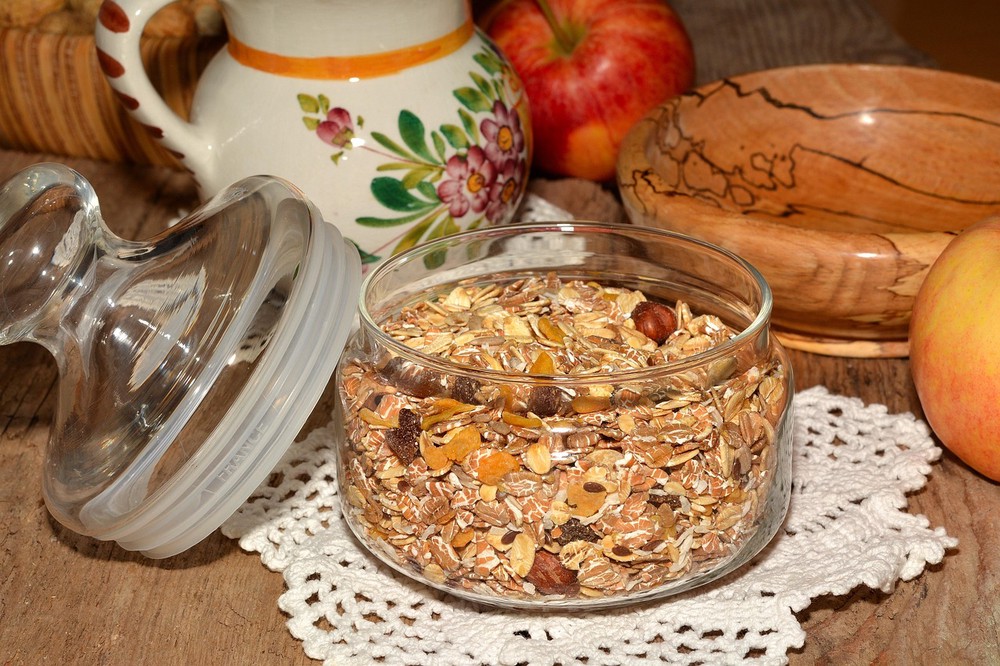
- Grind one cup of plain, unflavored oats into a fine powder using a blender or food processor.
- Mix two tablespoons of this powder with enough warm water (or plain yogurt for extra soothing) to form a spreadable paste.
- Apply a thin layer to clean, damp skin and leave it on for 15 minutes.
- Rinse gently with cool water and pat dry — no rubbing.
Tip: You can also add a cup of colloidal oatmeal to a lukewarm bath for full-body relief on days when your skin feels angry all over.
2. Cucumber and Aloe Vera Cooling Compress
Cucumbers are naturally cooling and contain ascorbic acid (vitamin C) and caffeic acid, which help reduce swelling and redness. When paired with pure aloe vera — one of the most studied natural anti-inflammatory agents — this creates a powerful duo for inflamed skin.
How to use it:
- Peel and grate a small cucumber. Squeeze the juice through a clean cloth into a bowl.
- Mix the fresh juice with two tablespoons of pure aloe vera gel (from the plant or a preservative-free bottle).
- Refrigerate the mixture for 10 minutes for extra cooling.
- Soak a soft cotton cloth in the liquid, wring it out, and lay it over your face for 10–15 minutes.
This isn't a mask you wash off — just a gentle compress that removes heat from the skin. Use it once a day during a flare-up.
3. Green Tea Compress for Toning Redness
Green tea is rich in polyphenols, particularly epigallocatechin gallate (EGCG), which is a potent antioxidant that reduces inflammation and protects skin cells from damage. It also constricts blood vessels near the skin's surface, which helps calm visible redness.
How to use it:
- Steep two green tea bags in one cup of boiling water for 5 minutes.
- Remove the bags and let the tea cool completely in the refrigerator.
- Dip a soft washcloth into the cold tea, wring it out, and press it gently against your face for 10 minutes.
- You can also press the used tea bags directly onto red patches (like around the nose or cheeks) for spot treatment.
Do this once daily during a sensitivity flare, then reduce to twice a week for maintenance.
4. Soothe With a Raw Honey Spot Treatment
Raw, unpasteurized honey is a natural humectant (draws moisture into the skin) and has mild antibacterial and anti-inflammatory properties. For sensitive skin, honey is especially helpful because it doesn't strip oils — it actually helps your skin hold onto moisture, which strengthens the barrier against irritants.
How to use it:
- Use a clean fingertip or a cotton swab to dab a small amount of raw honey onto red, irritated spots.
- Let it sit for 20 minutes. You don't need a thick layer — just enough to cover the area.
- Rinse with lukewarm water, using very gentle circular motions.
- Follow with your usual moisturizer (choose a fragrance-free, ceramide-rich formula).
Because honey is sticky, this is best for spot treatment rather than a full-face mask. Use it up to three times a week.
5. Yogurt and Turmeric Brightening Mask
Plain yogurt contains lactic acid, a gentle alpha hydroxy acid that exfoliates dead skin cells without harsh scrubbing. This helps reduce the dullness that often accompanies chronic redness. Turmeric, when used in very small amounts, provides anti-inflammatory curcumin that can calm irritation.
Important caution: Turmeric can stain clothes and skin yellow, so use it sparingly and only if your skin tolerates it. Test a dab behind your ear first.
How to use it:
- Mix two tablespoons of plain, full-fat yogurt with a pinch (less than 1/8 teaspoon) of turmeric powder.
- Stir until the paste is a uniform pale yellow.
- Apply to clean skin and leave it on for 10 minutes — no longer, to avoid any stinging.
- Rinse with cool water using gentle circular motions. If any yellow stain remains, wipe the area with a cotton pad soaked in micellar water.
Use this mask once a week. If you feel any burning or tingling during application, rinse it off immediately — your skin may be reacting to the turmeric.
When to See a Dermatologist
While these home remedies can help calm mild to moderate sensitivity, persistent redness, burning, or swelling may indicate a condition like rosacea, eczema, or contact dermatitis. If your skin isn't improving after two weeks of gentle care — or if you experience severe stinging, blisters, or hives — it's time to consult a board-certified dermatologist for a personalized treatment plan.
Every sensitive skin is different. Start with one remedy at a time, patch test on your inner arm before applying to your face, and be patient. Real calm takes consistency, not harsh products.