
Clearing a breakout on your jawline is one thing. Watching the dark or red spots linger for weeks — or months — after the pimple itself has gone is another frustrating chapter entirely. These post-acne marks, often called post-inflammatory hyperpigmentation (PIH) or post-inflammatory erythema (PIE), are not scars in the true sense, but they can be stubborn, especially along the jawline where skin is thicker and tension from daily movement can delay healing.
The good news is that dermatologists have a clear, tiered approach to fading these marks. It is not about a single miracle ingredient; it is about consistency, protection, and choosing the right actives for your specific type of mark. Here is what the experts actually recommend for the jawline.
First, know what kind of mark you are dealing with
Before you buy any serum or cream, it helps to understand what you are treating. Post-acne marks on the jawline generally fall into two categories, and they respond to different treatments.
- Post-inflammatory hyperpigmentation (PIH): These are flat, brown, grey, or dark spots left after a pimple heals. They are more common in darker skin tones and are caused by an overproduction of melanin.
- Post-inflammatory erythema (PIE): These are flat, pink, red, or purple marks that linger after a pimple. They are more common in lighter skin tones and are caused by damaged or dilated blood vessels under the skin.
If your jawline marks are brown, pigment-fading ingredients will help. If they are red, you need ingredients that strengthen capillaries and calm inflammation. Many people have a mix of both.
The non-negotiable: daily sun protection
Every dermatologist interviewed on this topic starts with sunscreen — not as a suggestion, but as a requirement. UV exposure darkens existing pigment marks and slows the healing of red marks. For the jawline, where shadows and the angle of the sun hit directly, this is critical.
Use a broad-spectrum sunscreen with at least SPF 30 every single day, even if you are indoors near a window or it is cloudy. Mineral-based formulas containing zinc oxide or titanium dioxide are often recommended for acne-prone skin because they are less likely to clog pores.
Without diligent sun protection, any other treatment you try will be fighting an uphill battle.
Ingredients that actually fade pigment marks (PIH)
For brown or dark marks on the jawline, dermatologists typically recommend one or more of the following ingredients. They work by inhibiting the enzyme tyrosinase, which controls melanin production.
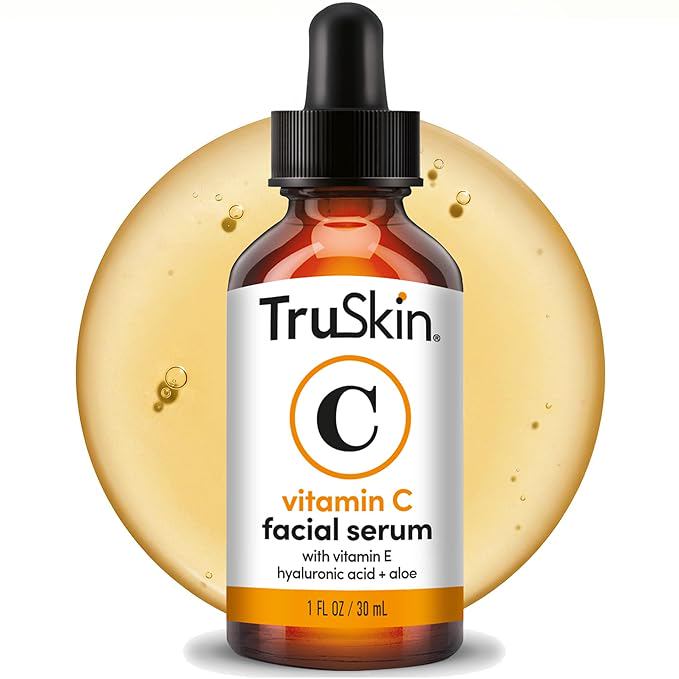
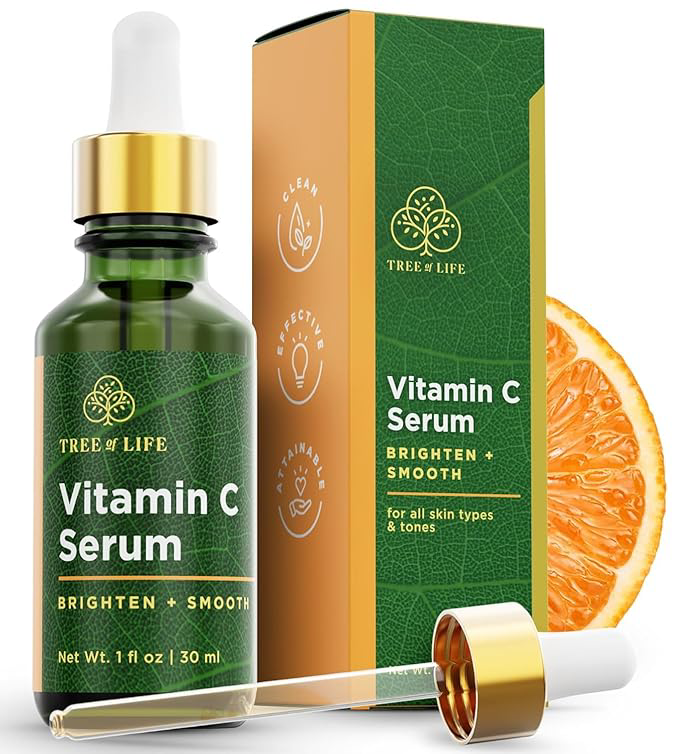
- Vitamin C (L-ascorbic acid): A potent antioxidant that brightens skin and slows pigment production. Look for a stable formulation in a dark, airless bottle. Apply in the morning under sunscreen.
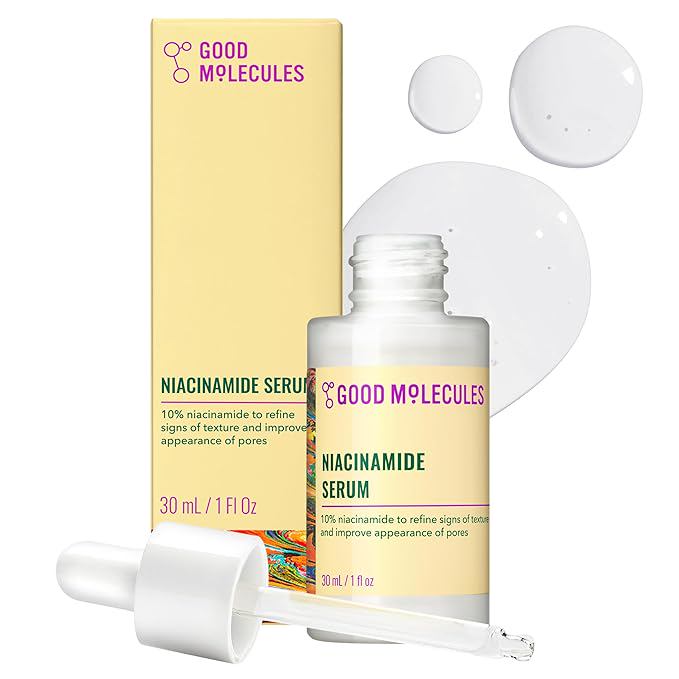
- Niacinamide (vitamin B3): Excellent for acne-prone skin because it is anti-inflammatory and helps fade pigment without irritation. It works well layered with other actives.
- Azelaic acid: A dermatologist favorite for jawline acne and post-acne marks. It targets pigmentation, kills acne-causing bacteria, and reduces redness. It is safe for all skin tones, including deeper complexions where hydroquinone can be risky.
- Kojic acid and tranexamic acid: Kojic acid is a natural skin-brightener derived from mushrooms. Tranexamic acid is especially good for stubborn pigment that has been present for a long time. Both are often found in serums or combined with niacinamide.
- Retinoids (over-the-counter retinol or prescription tretinoin): These speed up cell turnover, pushing pigment to the surface faster. They are effective, but they require gradual introduction to avoid irritation, especially along the sensitive jawline where your skin moves and rubs against pillows.
Dermatologists often suggest introducing one new active at a time, waiting two to three weeks before adding another. For the jawline, apply a thin layer and avoid overloading the area with too many products at once.
How to treat red marks (PIE) on the jawline
Red marks require a different strategy. Because they are vascular, pigment-fading ingredients do little to help.
- Calming ingredients: Centella asiatica (often called Cica or tiger grass), madecassoside, and green tea extract help repair the damaged capillaries and reduce redness over time.
- Azelaic acid: Again, this is a dual-action ingredient — it helps calm redness associated with PIE while also fading any brown pigment that may be present.
- Niaciinamide: Its anti-inflammatory properties help reduce the redness of PIE and strengthen the skin barrier, which is often compromised along the jawline from acne and tension.
- Time and barrier repair: PIE fades more slowly than PIH. A gentle routine with a good moisturizer (look for ceramides, squalane, or shea butter) and a focus on not irritating the skin further is often the most effective approach.
Avoid using harsh physical scrubs on the jawline. Friction can worsen redness and even break capillaries.
In-office treatments dermatologists use for jawline marks
For marks that persist after three to six months of consistent topical use, dermatologists may recommend in-office procedures. These are not first-line treatments, but they can be very effective for the jawline area.
- Chemical peels: A light to medium-depth peel (using glycolic acid, lactic acid, or salicylic acid) can accelerate the shedding of pigmented cells and improve skin texture along the jawline.
- Microneedling: This technique creates tiny micro-injuries in the skin, stimulating collagen production. It is especially helpful for red marks (PIE) and for shallow boxcar or rolling scars, but it can also help even out pigmentation.
- Laser therapy: For PIH, a Q-switched Nd:YAG laser or a fractionated laser can break up pigment. For PIE, a pulsed-dye laser (PDL) directly targets the dilated blood vessels. These should only be performed by a board-certified dermatologist experienced with your skin type.
The jawline is a high-risk area for side effects like prolonged redness or pigment changes, so professional consultation is essential before proceeding with any laser or deep peel.
What to avoid during treatment
While you are working to fade marks, you need to avoid anything that inflames the skin. Inflammation triggers more pigment production and worsens redness.
- Do not pick, squeeze, or scratch at any active or healed bumps on your jawline. Even a small squeeze can leave a mark that lasts months.
- Avoid harsh physical exfoliants (face scrubs with large particles, scrubbing brushes). Use a soft cloth and gentle cleanser.
- Do not layer too many active ingredients at once. Retinol and high-concentration vitamin C together can over-irritate the jawline. Alternate nights or consult a dermatologist for a routine that works.
- Avoid waxing or threading the jawline if you are using retinol or a retinoid — this can cause skin tearing.
Patience is the hardest part. Post-acne marks on the jawline can take eight to twelve weeks to show noticeable improvement, and deeper marks may take six months or longer. Consistency, not intensity, wins this race.