
You finally cleared a stubborn chin breakout, but now you are left with a patch of discolored skin that refuses to budge. That stubborn spot—often reddish, brownish, or purple—is a form of post-inflammatory hyperpigmentation (PIH). It is not a scar in the traditional sense, but it can feel just as frustrating. The good news is that with the right approach, these marks can fade. Here is what dermatologists actually recommend to tackle dark marks specifically caused by chin acne.
First, protect the healing skin from more damage
Before you apply any active treatment, the single most effective step is daily sun protection. UV exposure darkens melanin production, making those post-acne marks deeper and longer-lasting. If you are not consistently using sunscreen on your chin, you are essentially working against every other product you try. Choose a broad-spectrum sunscreen of at least SPF 30 that is labeled non-comedogenic, meaning it will not clog the pores around your jawline. Mineral-based options with zinc oxide or titanium dioxide are often gentle on sensitive, recently healed skin.
Look for brightening ingredients that target pigment
Dermatologists often turn to a short list of well-studied ingredients when treating PIH on the chin. These work by slowing melanin production or speeding up cell turnover.
Vitamin C (L-ascorbic acid)
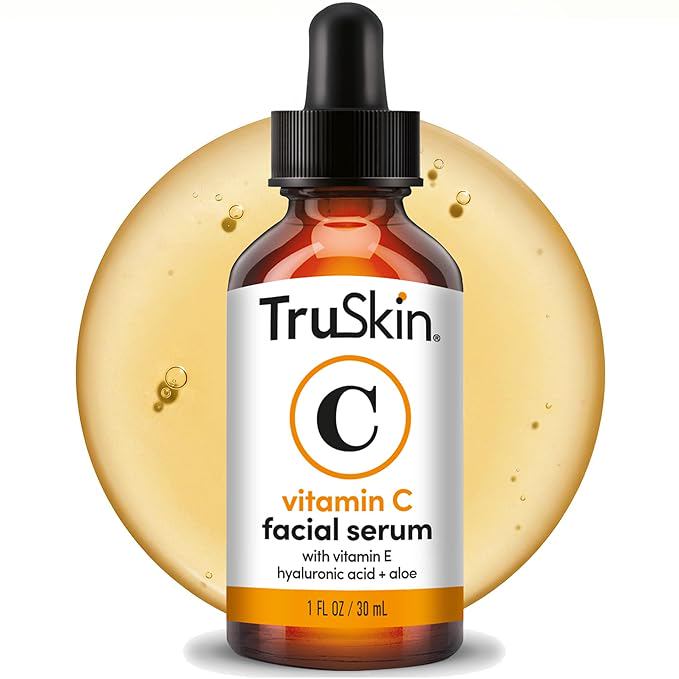
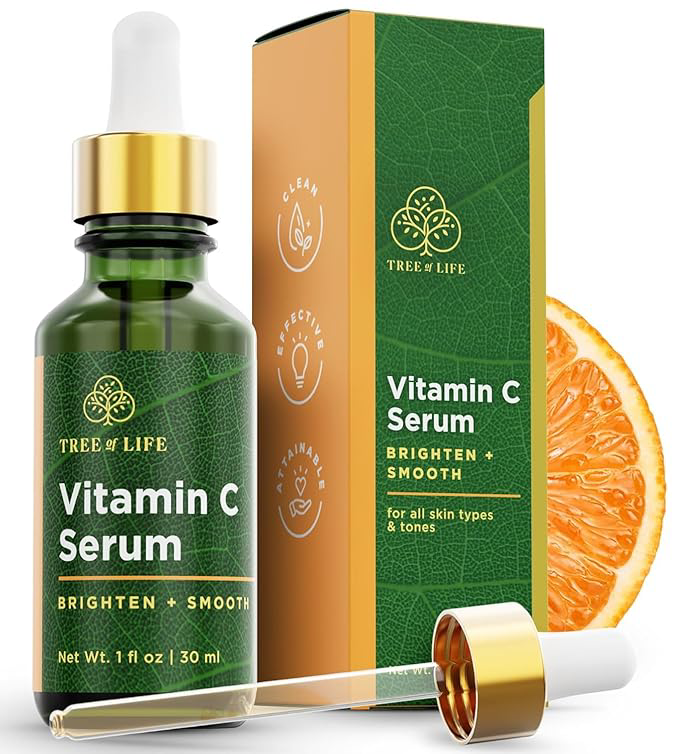
A stable, well-formulated vitamin C serum applied in the morning can help inhibit the enzyme responsible for melanin synthesis. It also adds antioxidant protection against environmental damage. If your chin is sensitive, look for a derivative like ascorbyl glucoside, which is gentler.
Niacinamide
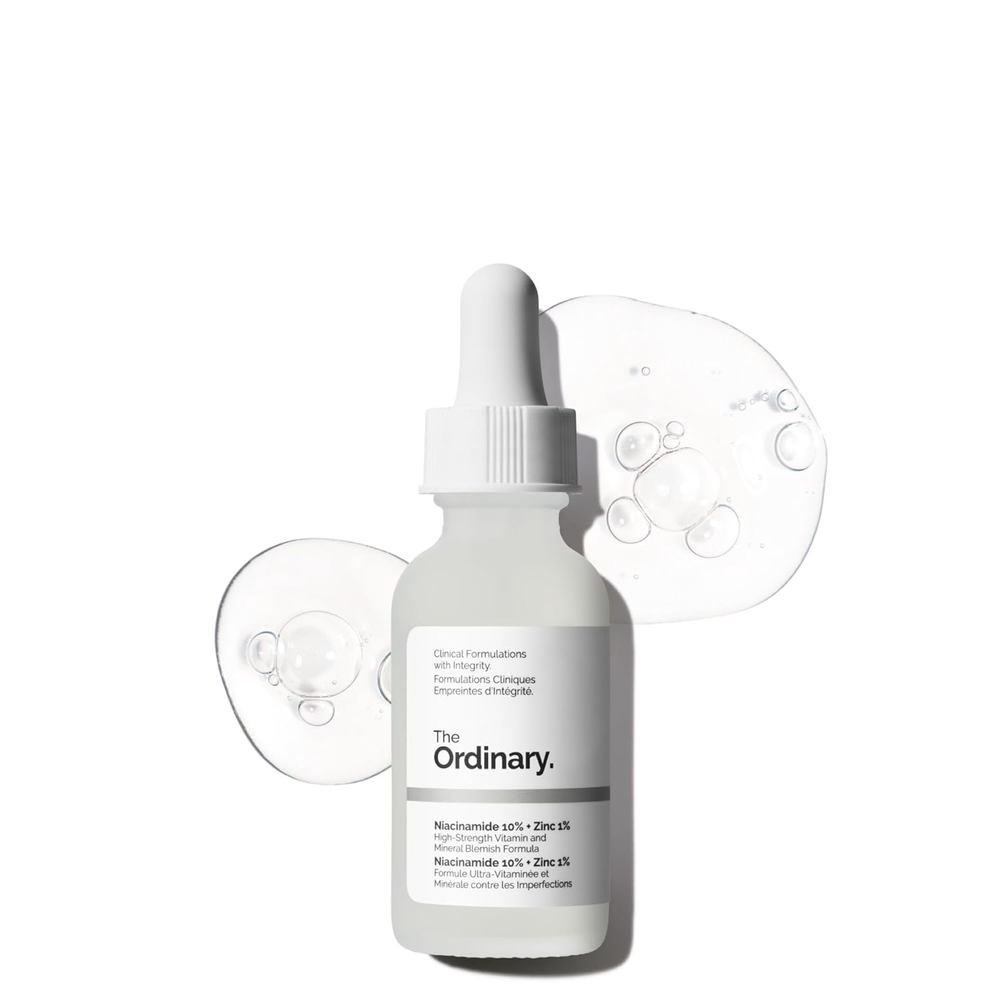
This form of vitamin B3 is a workhorse for evening out skin tone. Research suggests that niacinamide can reduce hyperpigmentation without the irritation that sometimes comes with stronger ingredients. A 4% to 5% concentration is typically effective and well-tolerated on the chin, which is an area prone to friction from masks, phones, and hands.
Azelaic acid
This is particularly useful for chin acne marks because it addresses both acne and pigmentation. Azelaic acid is anti-inflammatory, helps clear clogged pores, and interrupts melanin production. It is often prescribed for sensitive or darker skin tones because it is less likely to cause post-inflammatory darkening.
For deeper dark marks that do not respond to over-the-counter products, a dermatologist may prescribe a retinoid like tretinoin or a hydroquinone-based cream in a short-term, monitored course.
Be patient with the timeline
Unlike a pimple that can flatten in a week, dark marks take time. Most chin hyperpigmentation starts to show improvement after 4 to 8 weeks of consistent care. Complete fading often requires 3 to 6 months, and in some cases longer. If you stop using your treatment products after a month because you do not see results, you are quitting right before pigment lightening typically begins. Consistency is the missing piece for many people.
Why chin marks can be especially stubborn
The skin on the chin is constantly moving when you talk, eat, and express yourself. It also collects more sebum and is frequently touched, which means it can be prone to repeated inflammation. Each new breakout in the same spot darkens the existing mark, creating a cycle. To break it, you need to treat the active chin acne at the same time you treat the pigmentation. If new pimples keep forming, the old marks never get a chance to fully heal.
Dermatologists recommend a gentle cleansing routine with a salicylic acid or benzoyl peroxide wash for active breakouts, combined with one of the pigment-fading ingredients mentioned above. Avoid harsh scrubs on the chin area—physical exfoliation can worsen inflammation and darken the spot further.
In-office options for faster results
If topical treatments are not cutting it, your dermatologist may suggest an in-office procedure. Chemical peels with glycolic acid or salicylic acid can help shed pigmented layers of skin. Laser treatments, such as the Q-switched Nd:YAG or intense pulsed light (IPL), target melanin directly. Microneedling with a radiofrequency or platelet-rich plasma add-on can also stimulate collagen and improve texture alongside pigmentation. These approaches are best discussed with a provider who can assess your skin type and the depth of the hyperpigmentation.
A crucial note: darker skin tones require extra caution. Some lasers and deeper chemical peels can paradoxically cause more darkening if not used correctly. A board-certified dermatologist with experience treating diverse skin tones is your safest bet.
What to avoid while fading dark marks
Certain habits will sabotage your progress. Picking at the skin on your chin, even if a healed mark looks like a rough patch, can trigger new inflammation. Wearing heavy, pore-clogging concealers or foundations over the area can also delay healing. Look for non-comedogenic makeup if you need coverage, and consider a tinted sunscreen that provides both color and SPF.
Similarly, avoid using too many active ingredients at once. Layering vitamin C, retinol, glycolic acid, and niacinamide in the same routine often leads to irritation, which creates more pigment. Stick to a simple, consistent regimen of a gentle cleanser, one targeted pigment-lightening product (morning or night), moisturizer, and sunscreen.
The bottom line on fading chin hyperpigmentation
Dark marks from chin acne are treatable, but they demand a careful combination of prevention, the right ingredients, and patience. Start with sun protection and a single brightening agent like niacinamide or azelaic acid. If you are not seeing progress in two to three months, consult a dermatologist about stronger prescription options or in-office procedures. Your chin skin can return to an even tone, but it requires a steady hand and a realistic timeline.