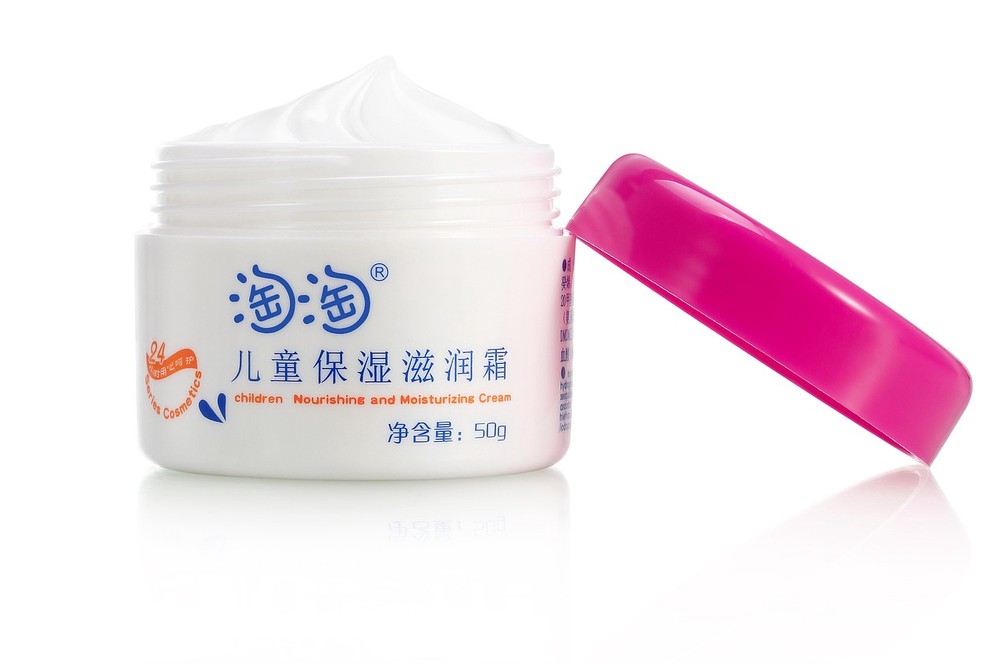
If you're using a prescription or over-the-counter acne treatment, it’s easy to assume that stripping your skin of all moisture is the fastest way to clear breakouts. Many people believe that moisturizer will clog pores or dilute their medication, so they leave it out of their routine. But skipping moisturizer while using acne medication is one of the most common—and most counterproductive—mistakes you can make.
Acne medications, especially those containing benzoyl peroxide, salicylic acid, or retinoids, work by exfoliating the skin, reducing inflammation, and killing acne-causing bacteria. They do their job well, but they also strip away your skin's natural oils, leaving the barrier vulnerable. Without adequate hydration, skin can become irritated, red, flaky, and even more prone to breakouts as it tries to overcompensate with oil production. The good news? A simple shift—adding the right moisturizer—can dramatically improve how your skin tolerates treatment and how quickly it clears.
Why Moisturizer Matters More Than You Think
Your skin’s outermost layer, the stratum corneum, acts like a brick wall. The skin cells are the bricks, and natural lipids (fats) are the mortar that holds everything together. Acne medications often dissolve that mortar, creating tiny cracks where moisture escapes and irritants enter. This is called a compromised skin barrier.
When your barrier is compromised, you might notice:
- Tightness or stinging after cleansing
- Redness and peeling in patches around your nose, mouth, or chin
- Increased sensitivity to products you’ve used for years
- Breakouts in new areas—or the same spots that refuse to heal
A well-formulated moisturizer isn't just about comfort. It provides the building blocks your skin needs to repair that barrier, helping the medication work as intended without the side effects that cause people to quit treatment early.
The Oil Overproduction Trap
Many people with acne have naturally oily skin, and the thought of adding more moisture sounds wrong. But here’s the biological reality: when you strip your skin with harsh acne treatments and don’t replenish it, your sebaceous glands sense the dryness and go into overdrive, producing even more oil to compensate. That extra oil mixes with dead skin cells and clogs pores, fueling the very breakouts you're trying to stop. A lightweight, oil-free moisturizer signals your skin that it’s hydrated enough, so it can stop pumping out excess sebum.
How to Choose a Moisturizer That Works With Acne Medications
Not all moisturizers are created equal, especially when you're using active acne ingredients. The right one supports your skin without interfering with your treatment. Look for these characteristics:
- Non-comedogenic — This means the product is formulated not to clog pores. Most drugstore and dermatologist-recommended brands list this on the label.
- Oil-free or gel-based — If you have oily or combination skin, a gel-cream or lightweight emulsion absorbs quickly and doesn’t feel greasy.
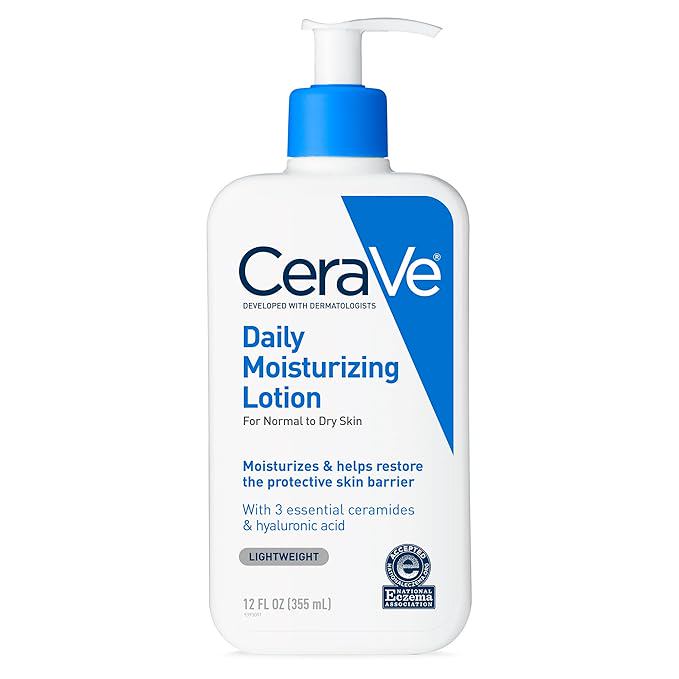
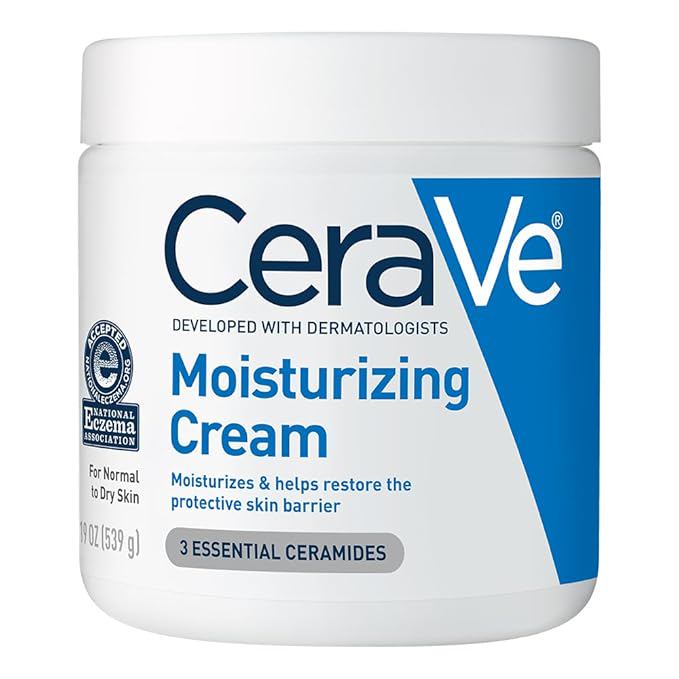
- Barrier-repairing ingredients — Ceramides, niacinamide, and hyaluronic acid are gold standards. Ceramides replace lost lipids; niacinamide soothes inflammation; hyaluronic acid draws moisture into the skin without adding oil.
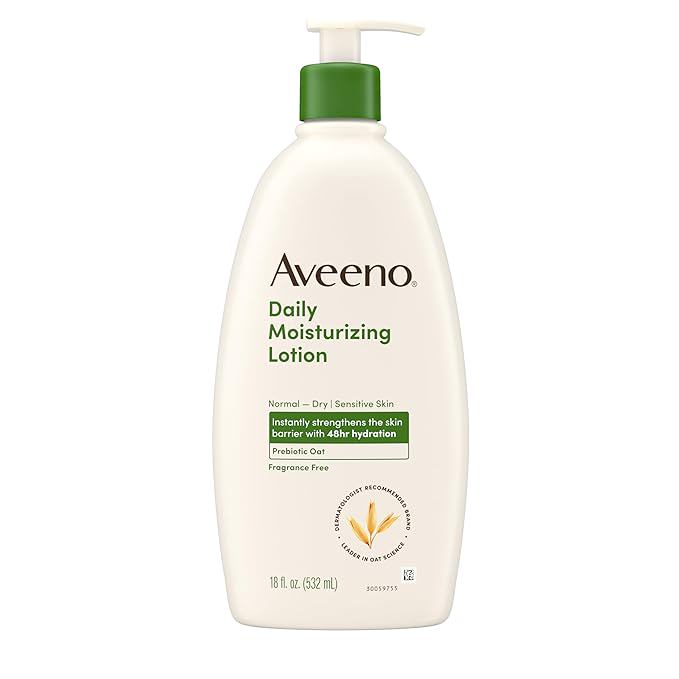
- Fragrance-free — Fragrance is a common irritant, especially when your skin is already sensitized by medication.
Tip: Apply your acne medication first, wait at least 10–15 minutes, then top with moisturizer. This “buffer” technique reduces irritation without reducing efficacy. Some people also prefer the “moisturizer sandwich”—a thin layer of moisturizer, then medication, then a final layer—especially when starting a strong retinoid.
What Happens When You Start Moisturizing?
Within a week or two of consistently using a compatible moisturizer alongside your acne medication, you’ll likely notice that the stinging and tightness after cleansing fades. The peeling may become less dramatic, and your skin will start to feel more resilient. Many people also report that their breakouts heal faster because the skin isn’t constantly inflamed.
It’s important to manage expectations: moisturizing won’t make acne disappear overnight. But it does create the conditions for your medication to work more effectively and comfortably. If you’ve been avoiding moisturizer because you’re afraid it will cause breakouts, try a simple, non-comedogenic gel or lotion for two weeks and monitor how your skin responds. You might be surprised to find that giving your skin a little more care—not less—is the missing piece of your routine.
Remember: healthy skin is not dry skin. The goal isn’t to eliminate all oil; it’s to balance your skin’s ecosystem so that breakouts become less frequent and your skin barrier stays intact. Talk to your dermatologist if you’re unsure which moisturizer to pair with your specific medication, but know that cutting out moisturizer entirely is rarely the answer.