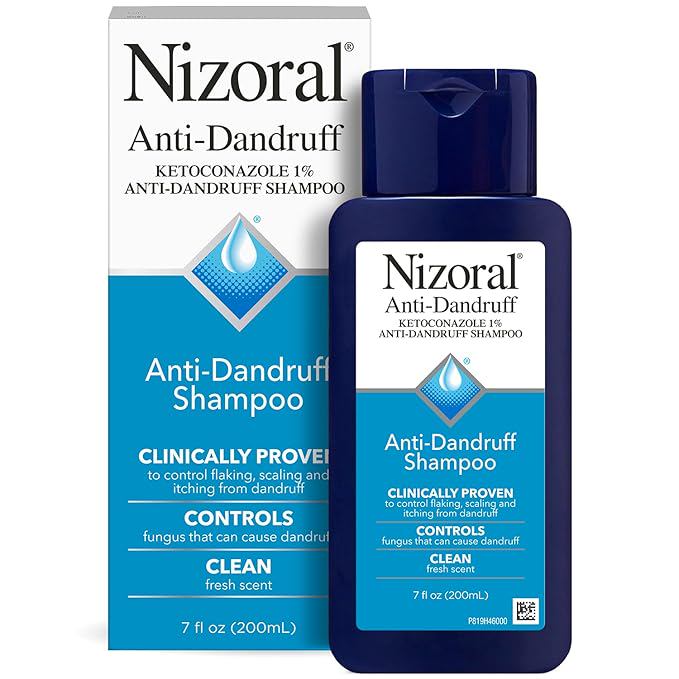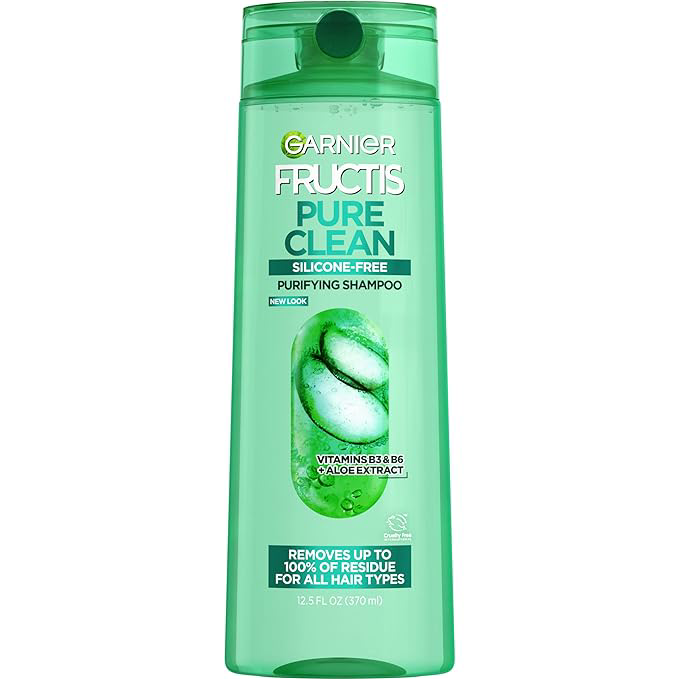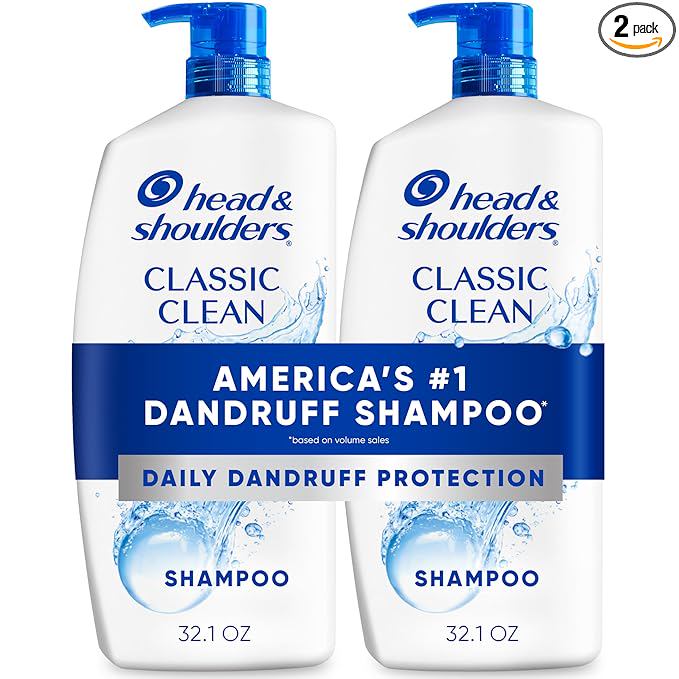
If your hair feels dull, brittle, or straw-like no matter how much conditioner you use, the culprit may not be your shampoo—it could be your water. Hard water, which is high in calcium and magnesium, reacts with the ingredients in many hair products, leaving behind a film that makes hair stiff, frizzy, and difficult to manage. Dermatologists say the first step to solving this problem is learning to identify which ingredients in your bottles are working against your water type.
Here’s what dermatologists recommend for pinpointing hard water triggers in your hair products so you can choose formulas that actually work with your water, not against it.
What is hard water doing to your hair?
Hard water contains dissolved minerals. When you wash your hair, these minerals bind with the surfactants (cleansing agents) in your shampoo. Instead of rinsing clean, the combination forms a soapy scum that clings to hair strands. Over time, this buildup makes it harder for moisture to penetrate, leading to dryness, tangling, and color fading. It can also irritate the scalp, contributing to flaking or itchiness.
A simple check: If your hair feels coated or looks dull immediately after washing—even with a high-end conditioner—hard water could be the reason.
Which ingredients should you look for?
Dermatologists advise scanning your product labels for two main categories: chelating agents and the wrong kind of surfactants. Here is what to watch for.
Chelating agents that help
Chelating agents bind to minerals in hard water and remove them from the hair. Look for the following on your shampoo or conditioner label:
- EDTA (disodium EDTA, tetrasodium EDTA) – A common chelator that helps prevent mineral buildup.
- Citric acid – Naturally derived, it can help break down mineral deposits in small amounts.
- Phytic acid – Another gentle chelating ingredient often found in clean-beauty lines.
- Sodium gluconate – Works well with hard water and is less irritating than harsher chelators.
If your shampoo lacks one of these ingredients, it may not be removing mineral residue effectively, and you might notice buildup after a few washes.
Surfactants that react poorly with hard water
The cleansing agents in your shampoo can either help or hurt when you have hard water. Avoid sulfates like sodium lauryl sulfate (SLS) and sodium laureth sulfate (SLES) in areas with hard water. These surfactants are more likely to react with calcium and magnesium to form that waxy residue. Instead, look for milder cleansers such as:
- Coco-glucoside
- Decyl glucoside
- Sodium cocoyl isethionate
- Disodium laureth sulfosuccinate
These are less likely to create scum and are generally gentler on the scalp and strands.
How to check if your products are hard-water safe
Dermatologists recommend a two-step approach. First, look at the ingredient list for the chelators mentioned above. Second, consider your product’s pH. Most shampoos are alkaline, which can worsen the effects of hard water. A shampoo with a slightly acidic pH (around 4.5 to 5.5) helps close the hair cuticle and minimize mineral adhesion.
If you already have buildup, a clarifying shampoo used once a week can reset your hair. Look for one that contains EDTA or citric acid and avoid silicones in your conditioners (ingredients ending in “-cone,” like dimethicone), which can trap minerals against the hair.
The role of conditioning ingredients
Conditioners are meant to smooth and detangle, but in hard water they can become counterproductive. Dermatologists suggest avoiding heavy oils and waxes if you know your water is hard. Ingredients like behentrimonium chloride or cetearyl alcohol can work well because they provide slip without building up. On the other hand, petrolatum, lanolin, and heavy shea butter may combine with minerals and leave a sticky layer.
Tip: Check the label for “water-soluble” silicones such as PEG-modified dimethicone, which rinse off more easily in hard water than standard silicones.
What to look for on a product label
If you are shopping for new products and want to avoid hard water triggers, here is a quick checklist adapted from board-certified dermatologists:
- Scan the first five ingredients. Chelators should be listed early to be effective.
- Avoid “sulfate” in the first three ingredients if your water is very hard.
- Look for “clarifying” or “chelating” on the label for occasional deep-cleansing products.
- Prefer products with a pH listed (ideally 4.5–5.5) for everyday use.
Keep in mind that no single product works for every person. Your hair type—fine, curly, color-treated, or oily—will also affect how you respond to hard water and to different ingredients.
Simple at-home test for hard water buildup
If you suspect your hair products are reacting with your water but are not sure, try this easy check: Take a clean, dry strand of hair (like one from your hairbrush) and drop it into a glass of tap water. If the strand floats on the surface or sinks very slowly, that indicates your water may have a high mineral content. If it sinks quickly, your water is likely soft. While not scientific, it is a practical way to confirm whether hard water might be affecting your hair routine.
Alternatives to changing products
If you don’t want to replace all of your hair products, dermatologists suggest using a showerhead filter. A vitamin C-based shower filter can neutralize chlorine and reduce some mineral content. Chelating treatments—used once or twice a month—can also remove buildup. But for the best long-term results, matching your product ingredients to your water type gives you the most control.