
If you have natural hair and a perpetually itchy scalp, you know the frustration of trying product after product, only to end up with the same irritation. The culprit is often hiding in the ingredient list, not in your hair care routine itself. Many common additives can disrupt the delicate balance of a natural scalp, leading to inflammation, dryness, and that persistent urge to scratch. The good news is that once you know which ingredients to watch for, you can make smarter choices and finally give your scalp the calm it needs.
Below, we break down six specific ingredients found in many shampoos, conditioners, and styling products that are notorious for triggering itchiness on natural hair. Avoiding them can transform your scalp health and make your entire hair care experience more comfortable.
1. Sulfates (SLS and SLES)
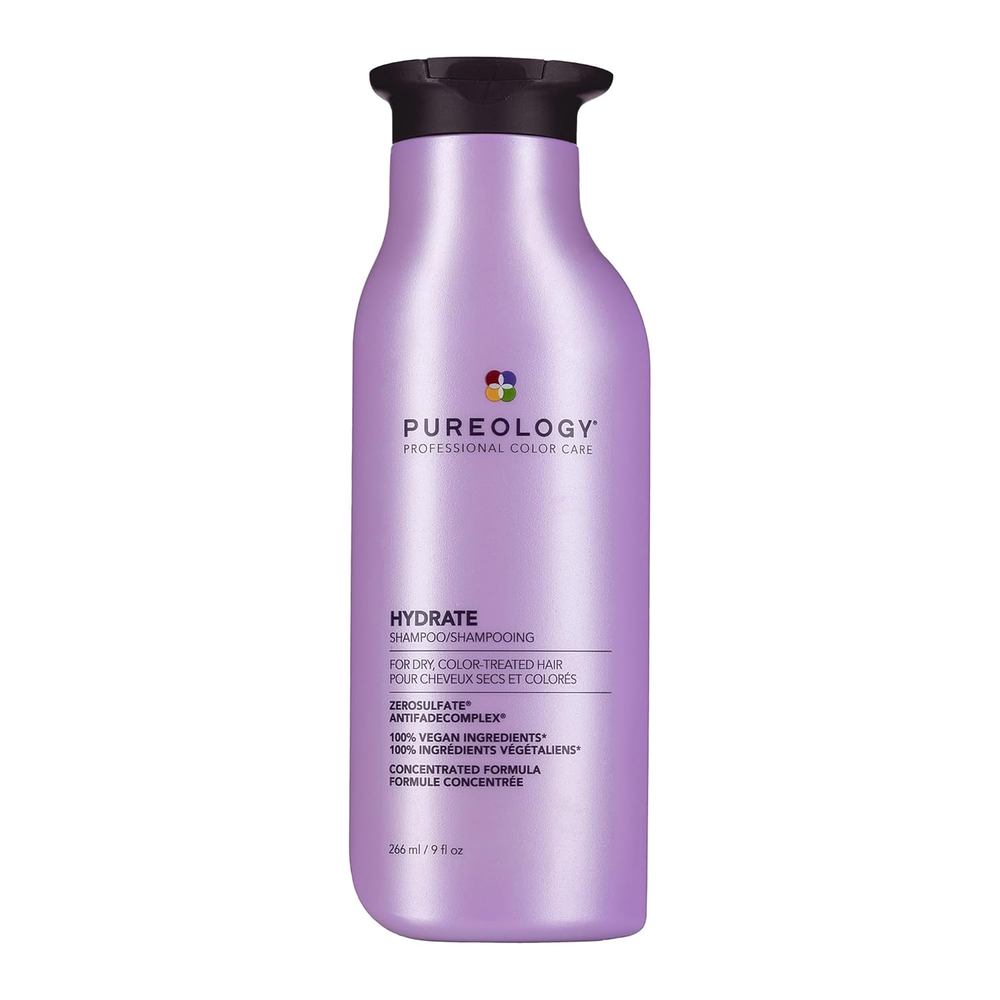
Sodium lauryl sulfate (SLS) and sodium laureth sulfate (SLES) are strong detergents added to create a rich lather. While that foamy cleanse can feel satisfying, sulfates strip the scalp of its natural oils. Natural hair is already prone to dryness because sebum struggles to travel down the hair shaft. When you remove that precious moisture with harsh sulfates, the scalp becomes tight, flaky, and itchy. Opt for sulfate-free cleansers instead—your scalp will thank you.
2. Fragrance and Parfum
Synthetic fragrances are one of the most common scalp irritants. A product might smell like a tropical paradise, but that pleasant scent often comes from a cocktail of undisclosed chemicals. For sensitive scalps, these compounds can cause contact dermatitis, which shows up as redness, itching, and small bumps. Even products labeled "natural fragrance" can be problematic. The safest bet is to choose fragrance-free products, especially if you notice your scalp reacting after every wash.
3. Drying Alcohols (SD Alcohol, Denatured Alcohol, Isopropyl Alcohol)
Not all alcohols are bad—fatty alcohols like cetyl and stearyl alcohol are actually moisturizing. The trouble comes from short-chain alcohols like SD alcohol 40, denatured alcohol, and isopropyl alcohol. These are often used to help products dry quickly or to improve texture, but they evaporate rapidly, pulling moisture from your scalp and hair in the process. Over time, this leads to a dehydrated, irritated scalp that itches constantly. Always check the ingredient list for these specific alcohols and avoid them if you have a sensitive scalp.
4. Parabens
Parabens (methylparaben, propylparaben, butylparaben, and ethylparaben) are preservatives used to prevent bacteria and mold growth in products. However, they can be disruptive to the skin's microbiome and may cause allergic reactions or irritation in some people. For natural hair, which tends to have a more sensitive scalp environment, parabens can contribute to chronic itchiness and inflammation. Many brands now offer paraben-free formulations, making it easier to steer clear.
5. Isothiazolinones (Methylisothiazolinone and Methylchloroisothiazolinone)
These preservatives are common in water-based products like shampoos and conditioners. They are potent allergens. Even at very low concentrations, methylisothiazolinone (MI) and methylchloroisothiazolinone (MCI) can cause severe contact dermatitis, leading to intense itching, burning, and flaking on the scalp. If you have tried everything and your scalp still feels irritated, check your product labels for MI or MCI. Switching to a preservative system that uses alternatives like phenoxyethanol or potassium sorbate might be the solution.
6. Heavy Waxes and Petroleum (Petrolatum, Mineral Oil, Paraffin)
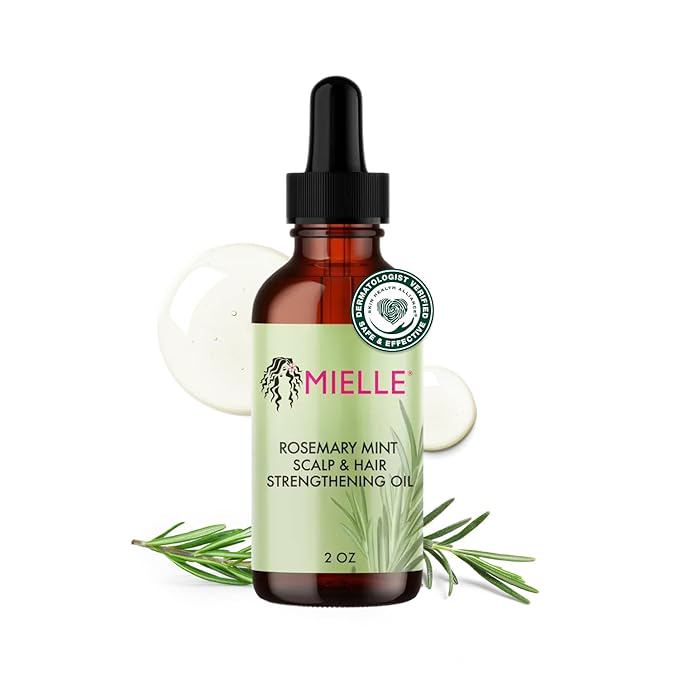
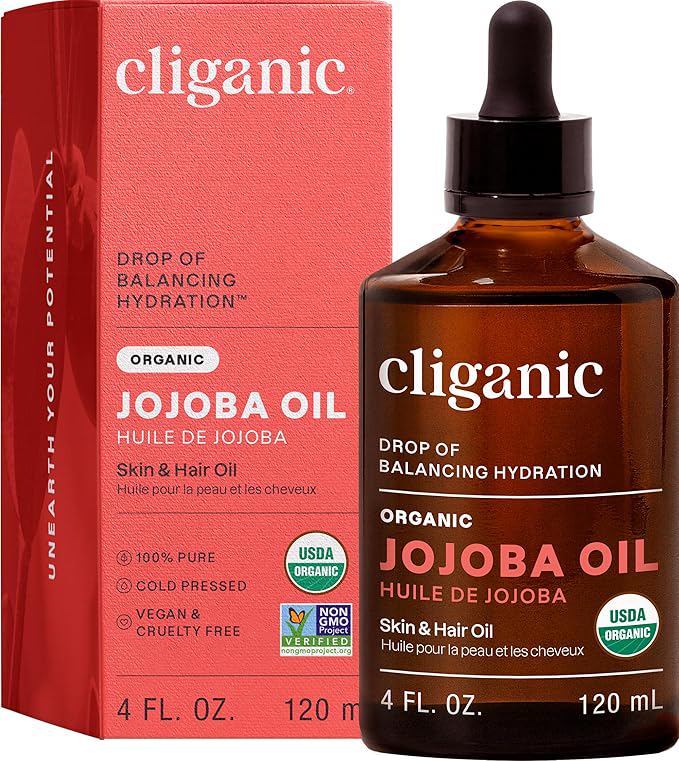
While these ingredients are sometimes used to seal moisture into natural hair, they can create a suffocating layer on the scalp. This barrier traps dirt, sweat, and product buildup, which clogs hair follicles and irritates the skin. The result is an itchy, congested scalp that may also develop small bumps or flakes. For natural hair, lighter oils like jojoba, argan, or grapeseed oil are far better alternatives—they moisturize without weighing down the scalp or causing irritation.
Making the Switch to a Calmer Scalp
Changing your hair products doesn't have to happen overnight. Start by reading the ingredient labels on your current shampoo, conditioner, leave-in, and styling creams. Look for the six culprits listed above. As you finish each bottle, replace it with a product that skips those ingredients. You'll likely notice a difference in how your scalp feels within a few washes. A calm, itch-free scalp is the foundation for strong, thriving natural hair.