
The moments between breakouts often feel like a fragile truce. The redness fades, new bumps stop appearing, and you’re left with skin that still looks a little angry—flushed, uneven, or easily irritated by your usual products. This in-between phase is exactly when the right routine can make the biggest difference.
Dermatologists emphasize that what you do after a pimple heals is just as important as treating the breakout itself. The goal shifts from fighting active acne to supporting the skin barrier and keeping inflammation low. Here’s how experts recommend caring for acne-prone skin in that quiet window between flare-ups.
Why calm skin matters for acne control
Acne isn’t just about clogged pores—it’s an inflammatory condition. Each breakout leaves behind a low-grade inflammatory response that can persist even after the blemish is gone. If you jump straight back into strong actives like high-strength retinoids or acids, you risk keeping that inflammation active.
Dermatologists call this approach “active maintenance.” The idea is to keep the skin barrier strong and balanced so that the next breakout is less intense and less frequent. Calm skin heals faster and tolerates treatments better when you do need them.
Choose a gentle, non-stripping cleanser
Many people with acne-prone skin default to foaming cleansers that leave the face feeling tight and “squeaky clean.” That sensation is actually a sign of barrier disruption. Between breakouts, your cleanser should remove excess oil and dirt without stripping natural lipids.
- Look for cleansers with ceramides, niacinamide, or glycerin. These ingredients help maintain the skin’s moisture barrier while still being effective for acne-prone skin.
- Avoid sulfates and high-pH formulas. They can increase irritation and trigger rebound oiliness, setting the stage for more clogged pores.
- Consider a gentle milk or cream cleanser if your skin tends to feel dry after washing—even in the T-zone.
One simple test: after cleansing and patting dry, your skin should feel comfortable—not tight or greasy.
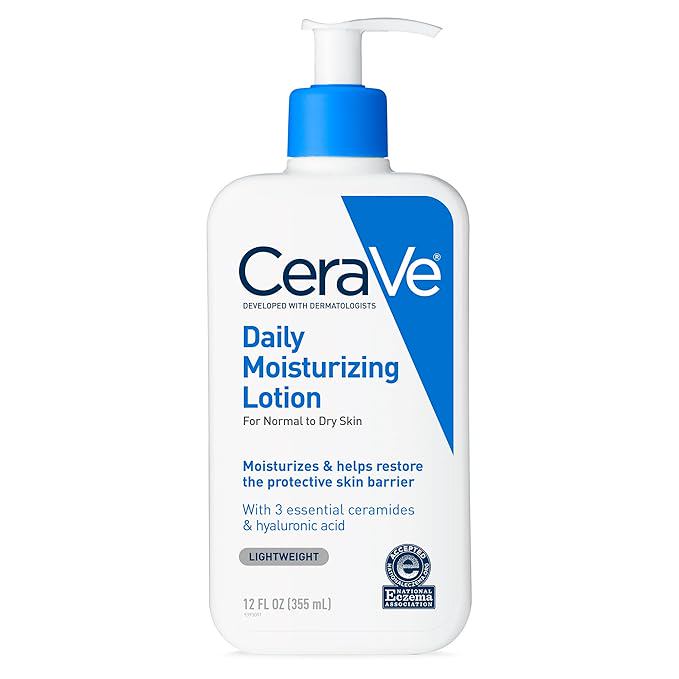
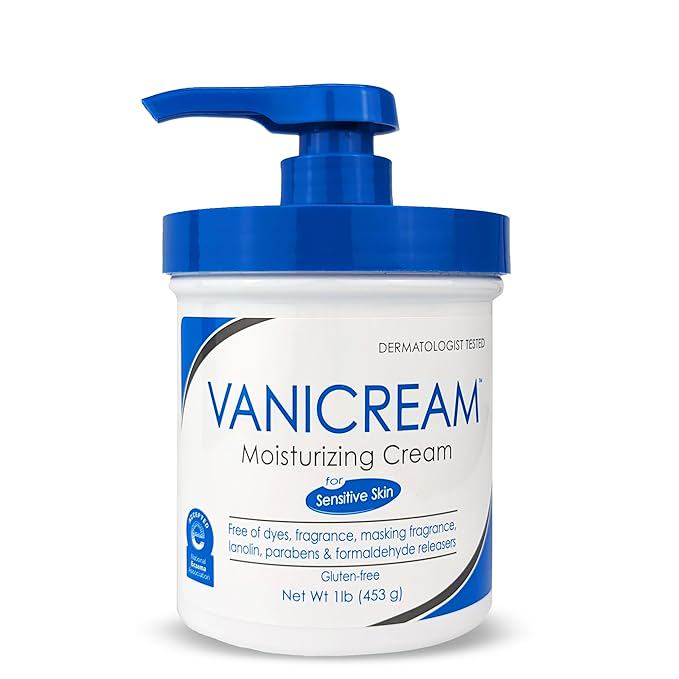
Barrier repair moisturizers are non-negotiable
There is a persistent myth that acne-prone skin doesn’t need moisturizer. In reality, a compromised barrier allows bacteria and irritants to penetrate more easily, which can worsen acne. Between breakouts, a lightweight, non-comedogenic moisturizer supports healing and reduces redness.
“When the skin barrier is strong, it can better regulate oil production and calm inflammation. Moisturizing is not optional—it’s preventive.” — Common dermatologist advice
Ingredients to prioritize:
- Ceramides — rebuild the skin’s protective layer.
- Niacinamide (vitamin B3) — reduces redness and helps regulate sebum.
- Centella asiatica (cica) — a soothing botanical often used in post-inflammatory care.
A gel-cream or water-based formula works well for oily types; those with combination skin can use a slightly richer lotion on the cheeks and a lighter one on the forehead and chin.
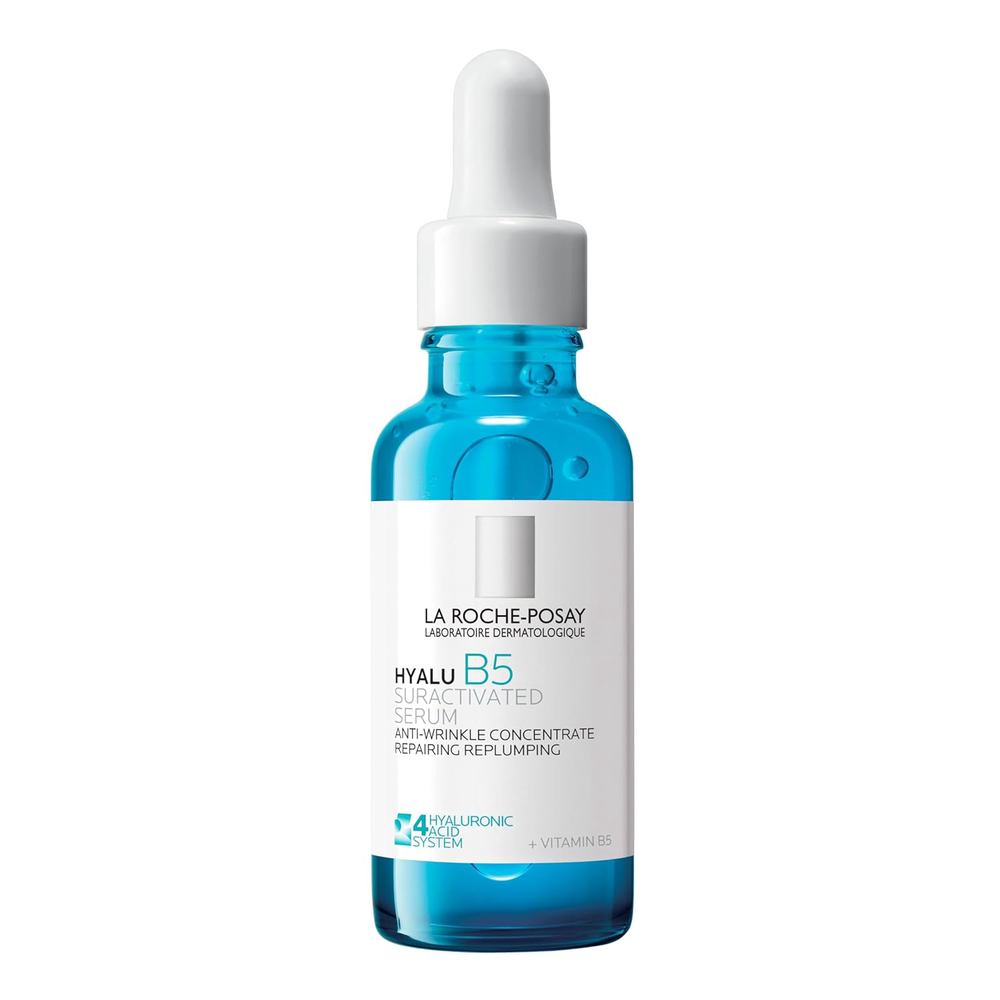
Incorporate a calming serum (not an exfoliating one)
Between breakouts, put the exfoliating acids on pause—unless you are under a dermatologist’s specific guidance. Instead, use a serum that targets redness and supports recovery.
- Azelaic acid (at 10% or less in over-the-counter formulas) calms redness, evens texture, and has mild antibacterial effects.
- Green tea extract or madecassoside (from centella) help reduce post-inflammatory pigmentation.
- Zinc PCA can help regulate oil without drying.
Apply a few drops after cleansing and before moisturizer. The texture should absorb quickly—no heavy residue that could clog pores.
Simplify your routine and add back actives slowly
It’s tempting to reintroduce benzoyl peroxide, salicylic acid, or retinoids as soon as the last pimple disappears. But the skin’s barrier takes time to recover. Dermatologists suggest waiting at least a week after visible inflammation resolves before resuming strong actives.
When you do add them back, start slowly:
- Use only once or twice a week at first, then gradually increase frequency.
- Apply actives after moisturizer (a buffer) to reduce irritation.
- Watch for signs of over-exfoliation: tightness, stinging, or new breakouts in areas where you normally don’t break out.
If your skin reacts, scale back and return to a purely calming routine for another week.
Sun protection keeps inflammation low
UV exposure thickens the outer layer of skin and increases inflammation—both of which can lead to more breakouts and darker post-acne marks. Between breakouts, a broad-spectrum sunscreen of SPF 30 or higher is essential.
- Choose a mineral-based sunscreen with zinc oxide or titanium dioxide if chemical sunscreens sting your skin.
- Look for “non-comedogenic” and “oil-free” labels, but also test the texture—some mineral sunscreens can feel heavy on acne-prone skin.
- Don’t skip sunscreen on cloudy days or when indoors near windows—UV rays still reach you.
Lifestyle habits that support calm skin
What you do outside the bathroom also affects how your skin behaves between breakouts:
- Change pillowcases weekly and avoid touching your face during the day.
- Manage stress — cortisol spikes can increase oil production and inflammation.
- Watch the dairy and high-glycemic foods if you notice a pattern; but do not eliminate whole food groups without professional guidance.
- Stay hydrated with water and consider a diet rich in omega-3s (from fish, flaxseed, or walnuts) to help lower systemic inflammation.
Small adjustments add up, especially when you’re consistent for several weeks.
When you focus on calming your skin between breakouts, you are not ignoring acne—you are building a foundation that makes your skin stronger and less reactive. This balanced, ongoing care often leads to fewer breakouts and a more even complexion over time.