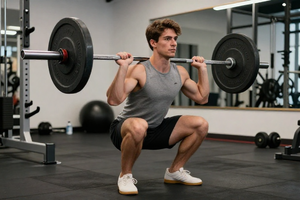

You just finished your first set of deadlifts, and your muscles have that satisfying shake. Now the clock is ticking. For new lifters, the half-hour after training isn't just a suggestion—it's a practical window where your body is primed to refuel and repair. Eating the right thing soon after you put the barbell down can make the difference between feeling ready for your next session and waking up too sore to move.
This isn't about chugging a chemical-laden shake the second you drop the dumbbell. It's about giving your muscles what they actually need: protein for repair and carbohydrates to replenish the energy you just burned. Here's what to reach for, why the timing matters, and how to keep it simple.
Why does the 30-minute window matter for beginners?
When you lift weights, you create micro-tears in muscle fibers. That sounds alarming, but it's exactly how you get stronger—your body repairs those tears and builds the muscle back a little thicker. The catch is that this repair process requires raw materials, and your body is most receptive to them right after exercise.
Insulin sensitivity is higher post-workout, meaning your muscles are better at pulling glucose and amino acids out of your bloodstream. If you wait too long, that window narrows. For beginners who haven't yet built a strong baseline of muscle mass, this timing can help jumpstart recovery and reduce the soreness that often discourages new gym-goers from coming back.
A simple rule: if you can eat within 30 minutes, do it. If life gets in the way, aim for within two hours. The 30-minute mark is optimal, not mandatory.
Protein: the muscle repair foundation
Protein provides the amino acids your muscles need to rebuild. For a beginner lifter, a dose of roughly 20 to 40 grams of protein after a workout is a solid target. This doesn't require a complicated supplement routine.
Whole food options that work fast
- Chicken or turkey breast—pre-cook it in bulk so you can grab it quickly. Pair it with a simple carb source like a whole wheat tortilla or a handful of grapes.
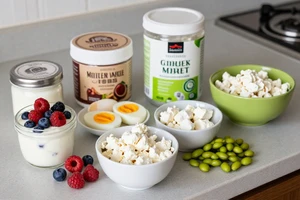
- Greek yogurt or cottage cheese—both pack around 20 grams of protein per cup. Add some berries for carbs and you're done.
- Eggs—hard-boiled eggs are portable and require zero prep if you make them ahead. Two or three eggs give you about 12–18 grams of protein.
- Salmon or canned tuna—rich in protein and omega-3s, which help control inflammation. A small can of tuna mixed with a little olive oil and eaten with crackers is a legitimate post-lift meal.
Protein powders: when convenience matters
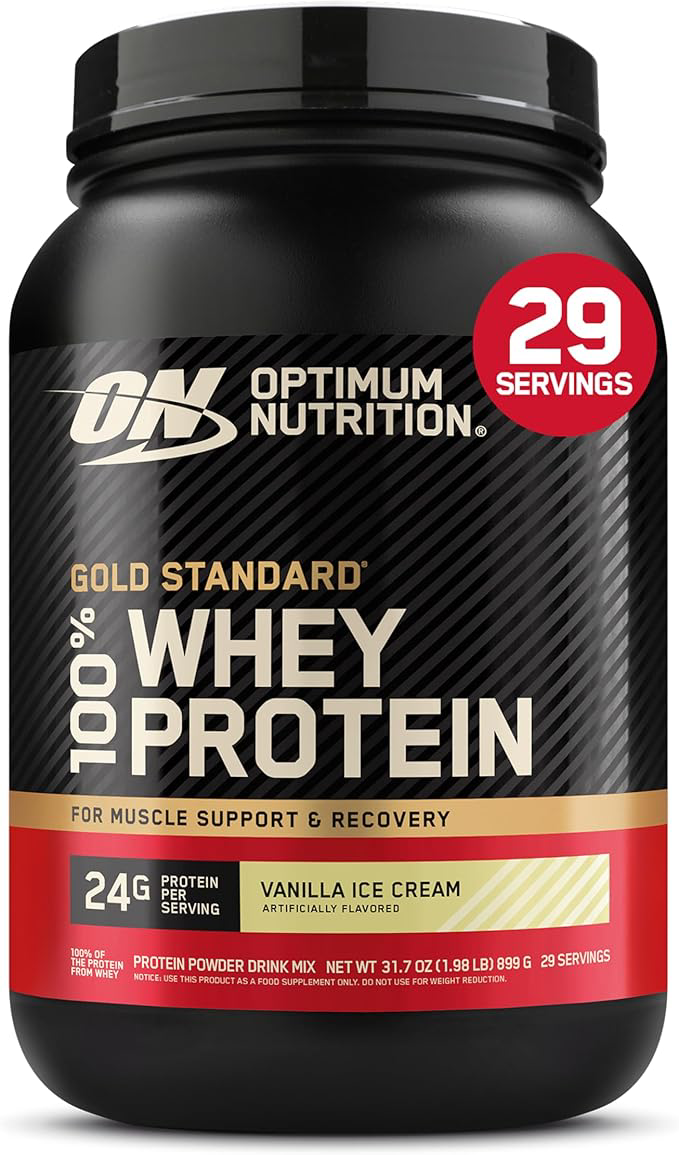
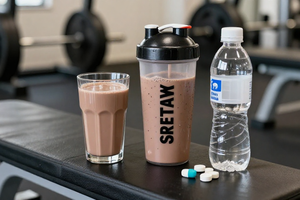
Whey protein is popular because it digests quickly and contains all the essential amino acids. If you're at work or can't sit down for a meal, a shake with water or milk is better than skipping food entirely. Plant-based blends (pea and rice protein) also work well. Just be wary of powders loaded with artificial sweeteners and fillers—read the label.
Carbohydrates: refilling the tank
Beginners often overlook carbs because they're afraid they'll undo their hard work. But after lifting, your glycogen stores are partially depleted. Eating carbs helps shuttle protein into muscle cells and restores energy so you feel human for the rest of the day.
- Fruit—bananas are the classic choice because they're packed with potassium and easy to digest. A medium apple or a cup of berries works equally well.
- White or sweet potatoes—a medium baked potato (skin on) provides fast-digesting starch without a ton of fiber to slow things down.
- Rice cakes or oatmeal—quick, bland, and effective. Oatmeal made with milk adds a little protein too.
- Chocolate milk—yes, really. It has an ideal ratio of carbs to protein (about 4:1) and is heavily researched as a recovery drink. Stick to low-sugar brands or make your own with cocoa powder and milk.
A good target is 30–60 grams of carbs post-workout, depending on how hard you trained. This might sound like a lot, but a large banana has about 30 grams, and a cup of cooked oatmeal has around 55 grams.
What about fats?
Fats slow digestion. That's normally a good thing, but right after a workout, you want nutrients to hit your muscles quickly. It's not that fat is bad—it's that timing matters. Keep the post-lift meal relatively low in fat. Save the avocado, nuts, and fatty dressings for your next meal a few hours later.
Sample meals that take under five minutes to prepare
You don't need a kitchen. You need a plan. These combos use common ingredients and minimal prep:
- Greek yogurt parfait: One cup plain Greek yogurt + half a cup of berries + one tablespoon honey. Stir and eat. Protein: 20g, Carbs: 35g.
- Turkey roll-ups: Three slices of deli turkey rolled around a cheese stick and a few apple slices. Protein: 25g, Carbs: 20g.
- Chocolate banana shake: One banana + one scoop chocolate whey protein + one cup milk (dairy or unsweetened soy). Blend if you have time, or shake in a jar if you don't. Protein: 30g, Carbs: 45g.
- Rice cake stack: Two rice cakes spread with one tablespoon peanut butter and topped with banana slices. Protein: 10g (add a glass of milk for 18g total), Carbs: 40g.
What about pre-workout nutrition?
If you ate a balanced meal two to three hours before lifting, you're probably fine. But if you train fasted (first thing in the morning, for example), your post-workout meal becomes even more critical because your glycogen stores start lower. In that case, prioritize the carbohydrate portion slightly more than you normally would.
Hydration: the silent partner
Water isn't technically a nutrient, but it is the delivery system for everything your muscles need. Aim to drink about 16–24 ounces of water within an hour of finishing your workout. If you sweat heavily, consider adding an electrolyte tablet or a pinch of salt to your water bottle. Avoid sugary sports drinks unless you're doing endurance training for over an hour—they add empty calories you don't need.
The bottom line for beginner lifters: a simple post-workout meal with protein, carbs, and minimal fat within 30 minutes of finishing sets the stage for consistent progress. You don't need a dozen supplements. You need real food, prepared in advance, eaten on a schedule. Do that, and your muscles will thank you when you step under the bar again tomorrow.