When you’re dealing with cystic acne, finding the right treatment can feel like a slow, painful journey. You commit to a new regimen, hoping this will be the one that finally calms the deep, painful nodules under your skin. But weeks pass, and the uncertainty creeps in: is this working, or am I just wasting time and emotional energy? Knowing the difference between normal purging or adjustment and genuine treatment failure is crucial. It saves you from prolonged frustration and guides you toward more effective solutions.
Cystic acne operates on a different level than surface-level breakouts. Because it forms deep within the skin, treatments take longer to show results and require a different set of expectations. The signs that a treatment isn’t working aren’t always dramatic; sometimes, they’re subtle shifts that you need to learn to recognize.
What Does “Working” Actually Look Like for Cystic Acne?
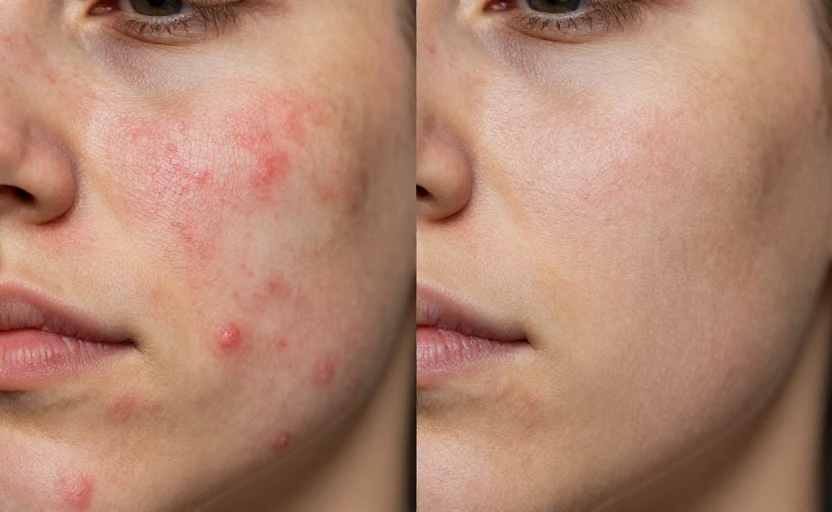
First, it’s essential to reset your timeline. For deep, inflammatory acne, dermatologists often advise giving a new prescription treatment a full 8 to 12 weeks before assessing its effectiveness. During the first few weeks, some initial worsening—often called “purging”—can be normal as underlying congestion comes to the surface. True progress is measured in a gradual reduction in the severity and frequency of new cysts, not necessarily complete and immediate clearance.
Progress with cystic acne is often measured in millimeters of reduced swelling and days between new flares, not overnight miracles.
You should start to notice that new cysts are less inflamed, smaller in size, and resolve a bit faster. The deep, throbbing pain associated with each lesion should begin to diminish. This is the positive direction you’re looking for.
The Clear Warning Signs Your Treatment Is Failing
If you’re well past the initial adjustment period and observe the following patterns, it’s a strong indicator your current approach needs reevaluation.
1. New Cysts Continue to Form at the Same Rate
After the 8–12 week mark, the formation of brand-new, deep cysts should be slowing down. If you’re still developing the same number of painful nodules every month as you were before starting treatment, the regimen isn’t effectively interrupting the core cycle of inflammation and clogging. It’s managing symptoms on existing spots but not preventing new ones.
2. Zero Reduction in Inflammation or Pain
Cystic acne is an inflammatory disease. A primary goal of treatment is to calm that internal fire. If individual cysts remain just as large, red, and tender as they ever were, and the pain level hasn’t changed, the treatment isn’t targeting the inflammation effectively. The lesions might come to a head or eventually subside, but without a reduction in their intense character, the protocol is insufficient.
3. The Treatment Causes Excessive Irritation Without Benefit
Some dryness, peeling, or mild irritation can be expected with potent topical treatments like retinoids or benzoyl peroxide. However, there’s a critical line between “working effectively” and “compromising your skin barrier.” Signs of excessive irritation include:
- Constant stinging or burning that lasts long after application.
- Cracks, raw patches, or widespread eczema-like flaking.
- Increased sensitivity to every other product you use.
A damaged skin barrier can actually worsen acne and inflammation, creating a vicious cycle. If your skin is in a constant state of distress from the treatment itself, it’s not working for you.
4. You Experience a Sudden, Severe Flare
While a minor purge is possible early on, a severe, sudden eruption of many new cysts after a period of stability is a red flag. This could indicate a reaction to an ingredient, a hormonal shift the treatment can’t address, or the development of bacterial resistance (in the case of certain antibiotics). It signals that the treatment is no longer controlling the underlying drivers.
5. You See No Improvement in Hyperpigmentation or Scarring
While active cysts are the immediate concern, a successful long-term treatment should also help mitigate the aftermath. Many effective cystic acne treatments, like prescription retinoids, also promote skin cell turnover and collagen remodeling. Over several months, this should lead to a gradual fading of post-inflammatory hyperpigmentation (the dark marks left behind) and may help prevent or soften atrophic (indented) scarring. A complete stall in this healing process suggests the treatment isn’t providing the deeper skin benefits it should.
What to Do If You Suspect Your Treatment Isn’t Working
If you recognize these warning signs, the next step isn’t to give up—it’s to pivot strategically. First, do not abruptly stop prescription medications without consulting your dermatologist or healthcare provider.
Schedule a follow-up appointment. Go prepared with clear notes: how long you’ve used the treatment, the specific signs you’ve observed (e.g., “I’m still getting 3–4 new cysts a week,” “the redness hasn’t decreased”), and how your skin feels. This factual log is far more helpful than general frustration.
Your provider might suggest:
- Adjusting the strength or formulation: Moving from a cream to a gel, or increasing the concentration of an active ingredient.
- Changing the frequency: Applying a retinoid every other night to manage irritation while maintaining efficacy.
- Combination therapy: Layering or prescribing complementary treatments that attack acne from different angles (e.g., a retinoid with a topical antibiotic or azelaic acid).
- Exploring different modalities: For persistent cystic acne, oral medications like hormonal agents (e.g., spironolactone for women) or isotretinoin, or in-office procedures like corticosteroid injections for individual cysts, may be discussed as more systemic options.
Managing Expectations and Your Well-Being
The process of finding the right cystic acne treatment is often iterative. A treatment not working is not a personal failure; it’s information. It tells you what your skin doesn’t respond to, which is a vital step toward finding what it does.
While navigating this, be kind to your skin and yourself. Use a gentle, hydrating cleanser and a non-comedogenic moisturizer to support your barrier. Wear sunscreen daily, as inflammation and many treatments make skin more sun-sensitive. The journey with cystic acne is as much about persistent, informed care as it is about patience.