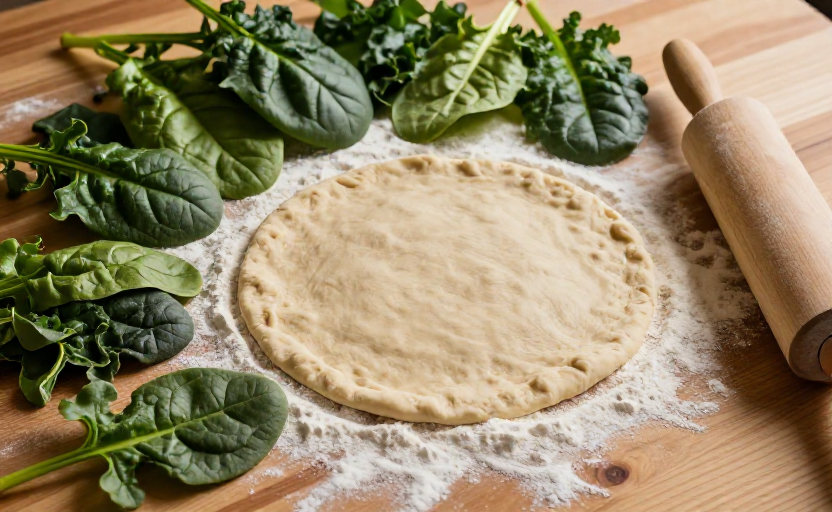
Making gluten-free pizza dough from scratch often feels like a project. Between sourcing the right flour blend, waiting for rest times, and hoping the crust holds together, it’s easy to reach for a frozen option instead. But there’s a clever shortcut that cuts down on prep time while boosting both flavor and nutrition: incorporating seasonal greens directly into the dough.
This approach works because leafy greens like spinach, kale, or Swiss chard naturally bring moisture and structure to gluten-free batters. Since gluten-free doughs lack the stretchy protein network of wheat dough, they often rely on extra liquid and binding agents. By blitzing fresh greens into a puree and adding them to your flour mixture, you create a more cohesive dough that rolls out cleanly and bakes with a tender, golden crust.
Why Greens Simplify Gluten-Free Dough
Gluten-free flours—such as rice, almond, or chickpea—need a little help to mimic the elasticity of traditional pizza dough. Instead of fussing with xanthan gum or psyllium husk, you can let the greens do double duty. Their natural moisture reduces the need for added water or oil, and the slight fiber content helps bind the dough together. The result is a pliable, easy-to-handle base that doesn’t crumble when you shape it.
A simple handful of spinach or kale can replace up to half the liquid in your recipe, cutting down on both ingredients and mixing steps.
This hack is especially useful during spring and summer when farmers’ markets are overflowing with greens. You don’t need to blanch or cook them first—just wash, roughly chop, and blend with a small amount of water or olive oil until smooth. Then fold the puree into your dry ingredients. No lengthy kneading or resting required.
How to Make Seasonal Green Pizza Dough
The method is straightforward and works with almost any gluten-free flour blend. Here's a basic approach to get you started.
Step 1: Choose Your Greens
Mild greens like baby spinach, beet greens, or arugula blend into a neutral-tasting puree that won’t overpower your toppings. For a slightly peppery crust, try watercress or young kale. Avoid tough stems or fibrous leaves—remove thick ribs from kale or chard before blending.
Step 2: Make the Green Puree
Add two packed cups of washed greens to a blender or food processor with two to three tablespoons of water or extra-virgin olive oil. Blend until completely smooth, stopping to scrape down the sides as needed. You should have about half a cup of thick puree.
If you’re in a hurry, you can also use thawed frozen spinach squeezed dry and pureed with a little oil—no chopping needed.
Step 3: Mix the Dough
In a large bowl, combine one and a half cups of your preferred gluten-free flour blend with half a teaspoon of salt and one teaspoon of baking powder (if your blend doesn’t already include it). Add the green puree plus one tablespoon of olive oil. Stir until a shaggy dough forms. If it feels too dry, add warm water a teaspoon at a time until it holds together without cracking. If it’s too sticky, dust lightly with more flour.
Because this dough doesn’t rely on gluten development, there’s no need to knead. Just press it into a ball, wrap in plastic, and let it rest for 10 minutes—or go straight to rolling.
Step 4: Shape and Bake
Place the dough on a sheet of parchment paper dusted with your flour blend. Press it into a disk, then roll out evenly to your desired thickness—about a quarter-inch works well for a crisp crust. Transfer the parchment directly to a preheated baking sheet or pizza stone (450°F / 230°C works well). Add sauce, cheese, and toppings, then bake for 12 to 15 minutes until the edges are golden and the bottom is firm.
For an even faster version, skip the rolling step altogether. Press the dough directly into a greased cast-iron skillet, par-bake for 5 minutes, then add toppings and finish baking. The greens help the dough hold its shape without shrinking.
Which Greens Work Best
Here’s a quick reference to help you match greens with your flavor preferences:
- Spinach – Mild and almost invisible in the final crust; great for kids
- Kale – Slightly earthy; pairs well with garlicky tomato sauces
- Swiss chard – A bit sweeter than kale; goes well with white pizza or ricotta
- Arugula – Peppery punch; best for bold toppings like prosciutto or goat cheese
- Beet greens – Mildly sweet and tender; good all-around choice
Make-Ahead and Freezing Tips
The green puree can be made up to three days in advance and kept in the refrigerator. You can also freeze it in ice cube trays for single-use portions—perfect for weeknight pizzas. The fully prepared dough keeps in the fridge for up to 24 hours. If you want to batch prep, shape the dough into disks, wrap each tightly in plastic, and freeze for up to a month. Thaw overnight in the fridge before rolling.
This trick isn’t just for pizza. Use the same green-enriched dough for flatbreads, calzones, or even gluten-free naan. The greens add color, fiber, and vitamins A and C without demanding extra steps or a longer ingredient list.
By weaving seasonal produce into the foundation of your dough, you skip the complicated chemistry of gluten-free baking and end up with a crust that’s actually enjoyable to make and eat. Next time you’re craving pizza, let the greens do the heavy lifting.