Vegetarian meal prep can feel like a puzzle: you want variety, you want it to be affordable, and you need it to actually last through a busy week without turning into bland leftovers. It's easy to fall into the trap of either spending your entire Sunday in the kitchen or resorting to expensive convenience foods. The key isn't more time or money—it's finding a single, flexible habit that saves you both.
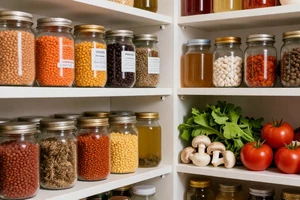
One surprisingly effective strategy is the "batch-build" method. Instead of prepping five different meals, you prepare a few foundational components that can be mixed and matched. Think of it as a pantry of ready-to-use building blocks. This isn't just a time-saver; it's also a money-saver, as it lets you buy ingredients like grains, beans, and seasonal vegetables in bulk without worrying about waste.
The Power of Batch-Cooking a Grain and a Legume
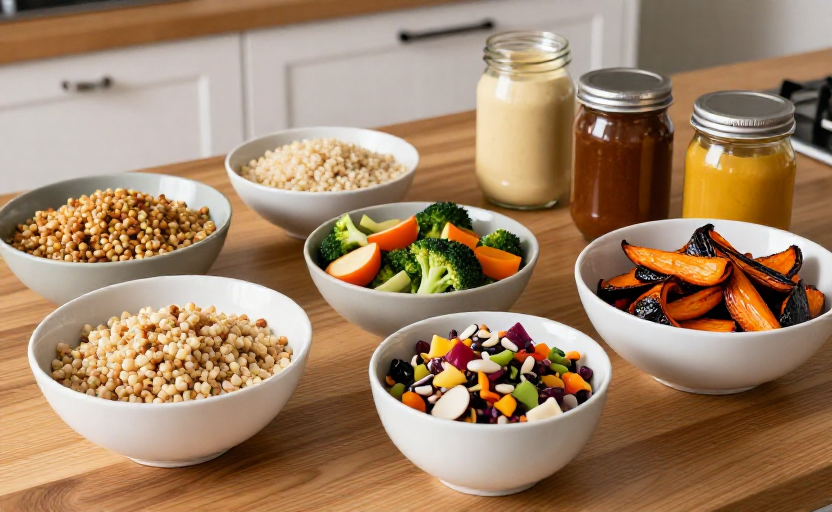
Start with the cheapest, most versatile staples. On your prep day, cook a large pot of a whole grain—brown rice, quinoa, farro, or barley—and a large pot of legumes—lentils, chickpeas, or black beans. These two items form the inexpensive, protein-rich base for nearly any meal.
Pro tip: If you're short on time, use an Instant Pot or a rice cooker to set and forget your grains and legumes. You can cook both at the same time, freeing you to chop vegetables.
Don't Forget the All-Purpose Sauce or Dressing
The biggest enemy of meal prep is boredom. A single sauce or dressing can transform the same grain and bean bowl into a completely different dish every day. Make one large batch of a tangy vinaigrette, a creamy tahini dressing, or a simple tomato-based sauce. Store it in a jar, and you've unlocked an endless rotation of flavors: Mediterranean one day (with lemon-herb dressing), Southwestern the next (with a lime-cumin vinaigrette), and a simple Italian bowl with the tomato sauce and roasted veggies.
What to Prep on the Weekend
Here's a realistic weekend prep list that keeps fridge clean-out to a minimum and ensures you can assemble a hearty meal in under 10 minutes:
- Grains: Cook 2 to 3 cups of dry quinoa or brown rice.
- Legumes: Cook a batch of lentils or chickpeas. Canned are fine in a pinch, but cooking from dried is significantly cheaper and allows you to control sodium.
- Roasted vegetables: Toss broccoli, sweet potatoes, bell peppers, or cauliflower with olive oil and salt, then roast until tender. These last 4–5 days in the fridge.
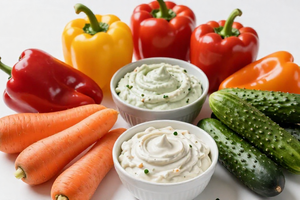
- Fresh elements: Wash and chop hardy greens like kale or spinach. Prep a raw slaw (shredded cabbage, carrots, and a simple vinaigrette) that actually stays crisp.
- A sauce: Whisk together your chosen dressing or sauce in a jar.
Real-World Meal Assembly (From Fridge to Plate)
When hunger strikes, you're just minutes away from a complete meal. Grab a bowl, add a scoop of grains, a scoop of beans or lentils, a handful of roasted veggies, and a handful of fresh greens. Drizzle with your prepared sauce and mix. That's it. To switch it up, tuck the mixture into a tortilla for a burrito, pile it on toast for an open-faced sandwich, or serve it over a bed of lettuce for a salad.
This method naturally encourages variety because each component can be swapped. If you're tired of quinoa, use the barley you prepped. If you're out of roasted sweet potatoes, toss in the raw slaw. The repetition is in the routine, not the plate.
Making It Affordable: Buying in Bulk and Using Every Bit
Dry grains and legumes cost a fraction of their canned or boxed counterparts. A bag of dried lentils is often under two dollars and yields multiple meals. Roasting a whole sheet pan of vegetables uses up produce that might otherwise wilt in the drawer. Even the odds and ends—stems from broccoli, tops of carrots—can be saved in a bag in the freezer for the next time you make vegetable broth.
This approach reduces food waste, which is good for both your budget and the planet. You're paying for ingredients that will all get used by the end of the week, not a bunch of single-use items that go bad before you get to them.
Why This One Habit Works Better Than Prepping Individual Meals
Prepping individual containers of exact meals can feel rigid and often leads to leftover fatigue. If you have a specific meal container you're tired of on Wednesday, it's hard to pivot. With the component system, your palate stays interested because you can combine elements in new ways. A little leftover quinoa can become breakfast porridge with a splash of milk and cinnamon. Those extra black beans can be mashed into a quick taco filling.
The goal here is sustainability—not just of the food, but of the habit itself. A 20-minute Sunday prep session can genuinely carry you through a week of varied, satisfying, and affordable vegetarian meals. That's not just efficient; it's a relief.



![Freshware Meal Prep Containers [50 Pack] 1 Compartment Food Storage Containers with Lids, Bento Box, BPA Free, Stackable, Microwave/Dishwasher/Freezer Safe (16 oz)](https://www.glowtheorylab.com/uploads/ad202604/65411b035c0a4f69.webp)
![[8-Pack,30 oz]Glass Meal Prep Containers,Glass Food Storage Containers,Airtight lunch Containers with Lids, Microwave, Oven, Freezer and Dishwasher](https://www.glowtheorylab.com/uploads/ad202604/51081d9654d4075b.webp)