Hard water is a reality for many households, and its effect on hair is often underestimated. When minerals like calcium and magnesium build up on the scalp and strands, hair can feel dry, brittle, and look dull or brassy. Many people try to combat this by washing more frequently, hoping to scrub away the residue. But that instinct can backfire, making the problem significantly worse.
The key issue is that over-washing strips the scalp of its natural sebum, which is a protective barrier. Without this barrier, the scalp becomes dry and irritated. In response, the scalp can overproduce oil to compensate, leading to a greasy scalp that still feels dry at the ends. More importantly, hard water minerals have an easier time penetrating the hair shaft when the cuticle is left unprotected by frequent washing. This makes the mineral buildup more stubborn and harder to remove over time.
Why frequent washing worsens mineral buildup
Think of your hair cuticle like shingles on a roof. When the cuticle is flat and sealed, it repels water and minerals. A balanced wash routine keeps the cuticle in good shape. Washing too often—especially with harsh sulfates in shampoos—lifts the cuticle. Once lifted, calcium and magnesium ions from hard water can wedge themselves into the hair shaft. This creates a rough, brittle texture that is prone to breakage and tangling.
A simple rule: If your hair feels coated, sticky, or straw-like after washing, you are likely battling mineral overload, not grease. Washing more will only lock those minerals in deeper.
The right approach: chelating, not stripping
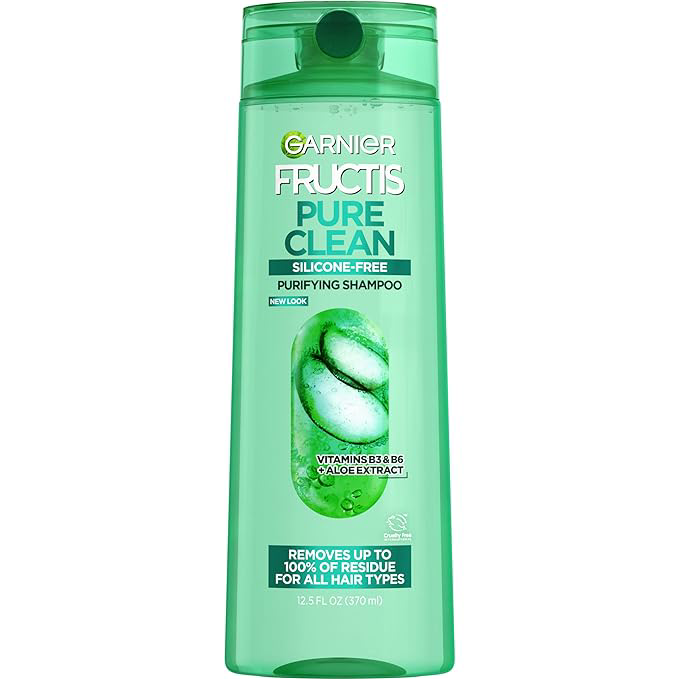
To reverse hard water damage, you need a chelating shampoo—one designed to bind to and remove minerals—rather than a standard clarifying shampoo that mainly strips oil. Chelating shampoos contain ingredients like EDTA or citric acid that dissolve mineral deposits without over-drying the scalp. Use a chelating shampoo once a week or every two weeks, depending on your water hardness. On other wash days, use a gentle, sulfate-free shampoo to preserve your scalp’s natural oils.
Pre-wash protection
Before showering, apply a light oil (such as jojoba or argan) to your hair, focusing on the ends. This creates a barrier that helps repel some of the minerals in the water. For an added layer of defense, rinse your hair with distilled or filtered water after washing. This final rinse displaces the hard water on your hair and leaves it softer.
How to tell if hard water is the real culprit
Not every hair problem is hard water related. Look for these specific signs:
- Visible buildup: A whitish or gray film on the hair, especially near the scalp.
- Limp, flat roots: Even right after washing, hair feels weighed down and won't hold volume.
- Brassiness: Color-treated hair turns orange or yellow faster than expected.
- Stubborn tangles: Hair feels rough and catches on itself, even after conditioning.
If these symptoms ring true, it is time to adjust your wash frequency and switch to a chelating routine. Do not fall into the trap of washing more to feel “cleaner”—that approach will make the mineral buildup more permanent and harder to reverse.
Build a hard water hair care routine
An effective plan does not require a complete overhaul. Small, consistent changes yield the best results:
- Reduce wash frequency to 2–3 times per week or as needed for your hair type. If you feel the need to wash daily, try a co-wash (conditioner-only wash) on off days.
- Incorporate a chelating shampoo once a week (no more, unless your water is extremely hard). Leave it on for 2–3 minutes before rinsing to let the ingredients work.
- Finish with an acidic rinse—a mixture of one tablespoon apple cider vinegar to one cup of water—once a month. This helps dissolve residual minerals and restores the scalp’s pH balance.
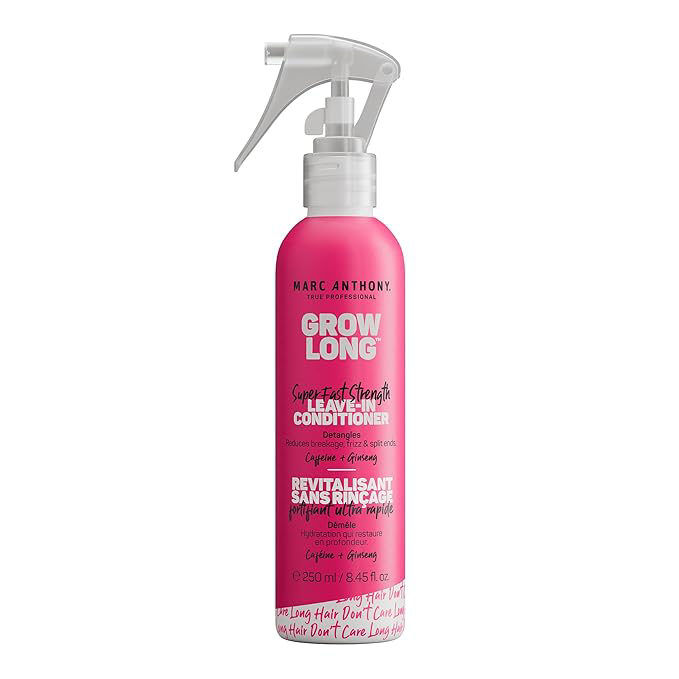
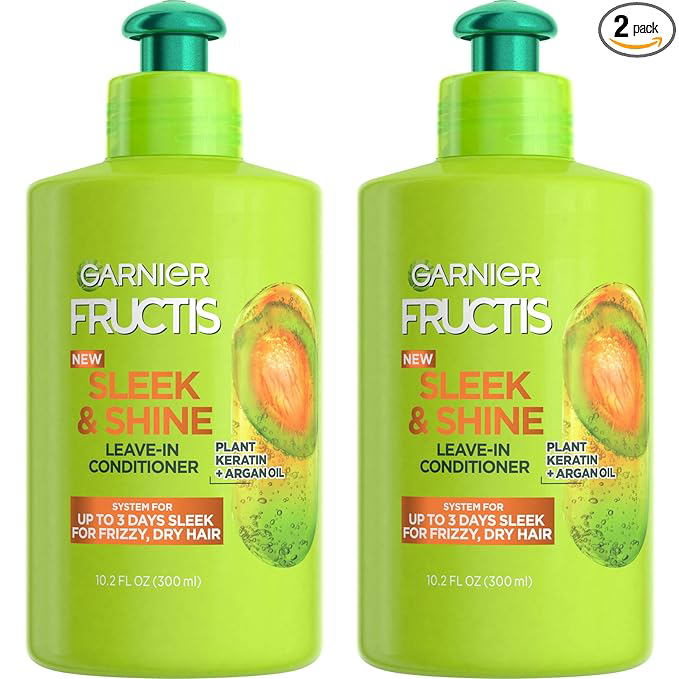
- Use a leave-in conditioner or a silicone-free serum after each wash to seal the cuticle and protect against future mineral deposits.
The takeaway is simple: over-washing in hard water is a double-edged sword. It strips the scalp, lifts the cuticle, and embeds minerals deeper into the hair. A smarter, less frequent washing routine using chelating products and protective rinses is the real path to reversing damage and restoring softness and shine.