You wash your face, maybe use a treatment, and go to bed hoping for clearer skin by morning. But for many teens, that morning reveal brings frustration—new blemishes seem to appear overnight. While hormones and genetics play the leading roles in acne, a quiet, nightly accomplice might be sabotaging your efforts without you even realizing it.
This habit isn't about skipping a step; it's often about what you're doing right before your head hits the pillow, and how it sets the stage for your skin's long overnight shift. Understanding this connection can be a simple yet powerful shift in managing breakouts.
What is this common nightly habit?
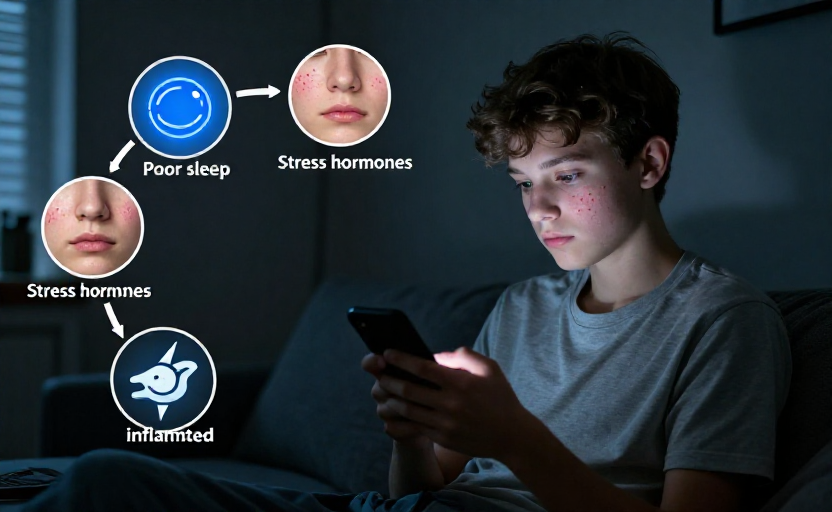
It's the use of your smartphone, tablet, or laptop in bed, right up until the moment you try to sleep. The issue is twofold: the blue light emitted from these screens and the significant sleep disruption this habit causes. For skin that's already prone to acne, this late-night digital ritual creates a perfect storm of internal stress.
The light from your phone isn't just keeping your mind awake; it's sending confusing signals to your skin's biological clock.
How does screen time before bed affect skin?
Our skin follows a circadian rhythm, much like our sleep-wake cycle. Nighttime is for repair and renewal. Exposure to blue light after dark interferes with this process.
First, it suppresses melatonin production. Melatonin isn't just the sleep hormone; it's also a potent antioxidant for your skin. Lower levels mean your skin has fewer resources to combat the inflammation that drives acne. Second, the stimulating effect of screens and content delays sleep onset, leading to shorter sleep duration. Chronic sleep loss is a well-documented stressor on the body.
The stress-sleep-acne connection
When you don't get enough quality sleep, your body's stress response system kicks into higher gear. This leads to increased production of cortisol and other stress hormones. For acne-prone skin, this is problematic because these hormones can:
- Signal your oil glands to produce more sebum.
- Increase overall inflammation in the body, making existing breakouts redder and more painful.
- Slow down the skin's healing process, meaning pimples stick around longer.
It becomes a cycle: poor sleep worsens acne, and the stress about acne can then make it harder to sleep, further aggravating the problem.
Beyond the screen: other sneaky nighttime culprits
While pre-sleep screen time is a major modern disruptor, a few other evening habits can contribute.
Pillowcase hygiene
Your pillowcase absorbs oils, hair products, and dead skin cells night after night. Pressing your face against this surface for 6-9 hours can reintroduce pore-clogging debris. Washing your pillowcase once or twice a week is a simple defensive move.
Heavy nighttime moisturizers
Using a rich, occlusive cream on acne-prone skin can sometimes trap oil and cells in pores. This isn't to say you should skip moisturizing if your skin feels dry—look for non-comedogenic, oil-free, or gel-based formulas designed not to clog pores.
Incomplete cleansing
Rushing through your evening cleanse, or skipping it altogether after a long day, leaves makeup, sunscreen, pollution, and sebum on the skin. This debris mixes and settles into pores overnight. A gentle but thorough cleanse is the foundation of any nighttime routine.
Building a skin-friendly bedtime routine
The goal isn't to create a complex, 10-step process, but to establish calm, consistent habits that support your skin's natural overnight repair.
- Set a digital curfew. Aim to power down all screens at least 60 minutes before your target bedtime. Use this time to read a physical book, listen to music, or practice light stretching.
- Establish a consistent skincare sequence. Keep it simple: cleanse, treat (with any dermatologist-recommended or over-the-counter acne product), and moisturize if needed. Consistency is more valuable than complexity.
- Create a restful environment. Make your bedroom dark, cool, and quiet. Consider using blackout curtains and keeping the room for sleep only, not work or entertainment.
- Mind your pillow. Use a clean pillowcase. Some people find smooth, natural fabrics like silk or satin to be gentler on sensitive, breakout-prone skin.
Be patient with yourself and your skin. Changes in habits take time to show results, and acne has many contributing factors. This is about removing one common obstacle from your skin's path, not finding a single miracle cure.
If you've addressed these lifestyle factors and your acne remains severe, painful, or is causing significant distress, connecting with a dermatologist is the best next step. They can provide personalized guidance and treatment options tailored to your specific skin needs.