
That deep, familiar ache in your muscles after a challenging workout is a universal experience. While often worn as a badge of honor, muscle soreness—formally known as Delayed Onset Muscle Soreness or DOMS—can be a source of confusion. The line between productive discomfort and a signal to pull back isn't always clear, and many of our instinctive reactions to soreness can actually slow down our progress.
Understanding how to navigate this post-exercise terrain is key to consistent training and long-term fitness. Let's walk through the most common missteps people make when their muscles are talking back, and how to shift toward more supportive recovery habits.
Mistaking Soreness for Effectiveness
Perhaps the most pervasive myth is the belief that if you're not sore, you didn't work hard enough. This mindset can lead to a cycle of constantly chasing extreme fatigue, often at the expense of proper form, planned progression, and overall sustainability. Soreness is simply an indicator of novel stress—it's your body's response to movements or intensities it isn't accustomed to.
A new lifter will feel sore after their first session with light weights, while a seasoned athlete might only feel it after introducing a completely new exercise or significantly increasing volume. Progression happens through consistent, incremental overload, not through perpetually battering your muscles into a state of severe soreness. You can absolutely have an effective, muscle-building workout without being unable to walk downstairs the next day.
Soreness is a poor gauge of workout quality. Consistency and progressive challenge are far better metrics.
The All-or-Nothing Recovery Response
When soreness hits, people tend to swing between two extremes: complete, immobile rest or pushing through with another intense session. Both can be counterproductive.
Total inactivity can stiffen muscles further and may prolong discomfort. Conversely, “working through the pain” with another heavy, high-impact workout interferes with the repair process and significantly increases injury risk. Sharp, acute pain during movement is a clear warning sign to stop, but general soreness often benefits from what’s called “active recovery.”
This means engaging in very low-intensity movement that promotes blood flow without adding new strain. A gentle walk, a leisurely bike ride, light stretching, or a yoga flow can ease stiffness and deliver nutrients to recovering tissues. Think of it as soothing movement, not training.
Neglecting Nutrition and Hydration
Recovery isn't just what you do or don't do physically; it's also what you provide your body to rebuild with. After exercise, muscles need raw materials for repair. Skipping post-workout nutrition or staying dehydrated is like asking a construction crew to rebuild a house without delivering any lumber or water.
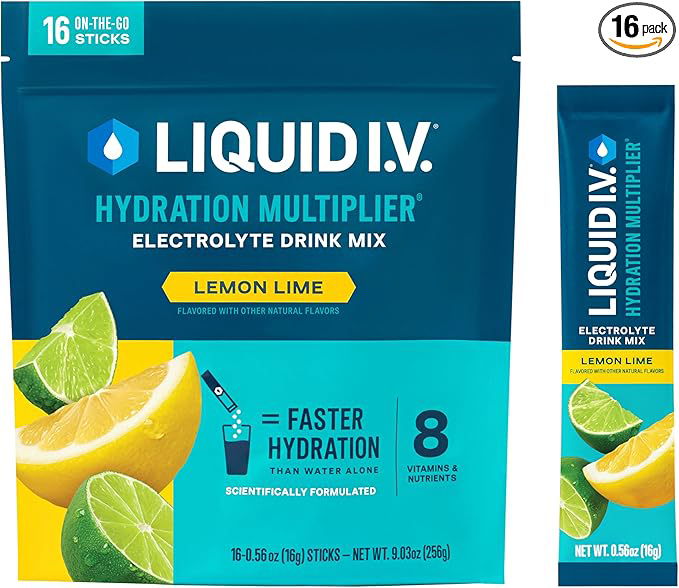
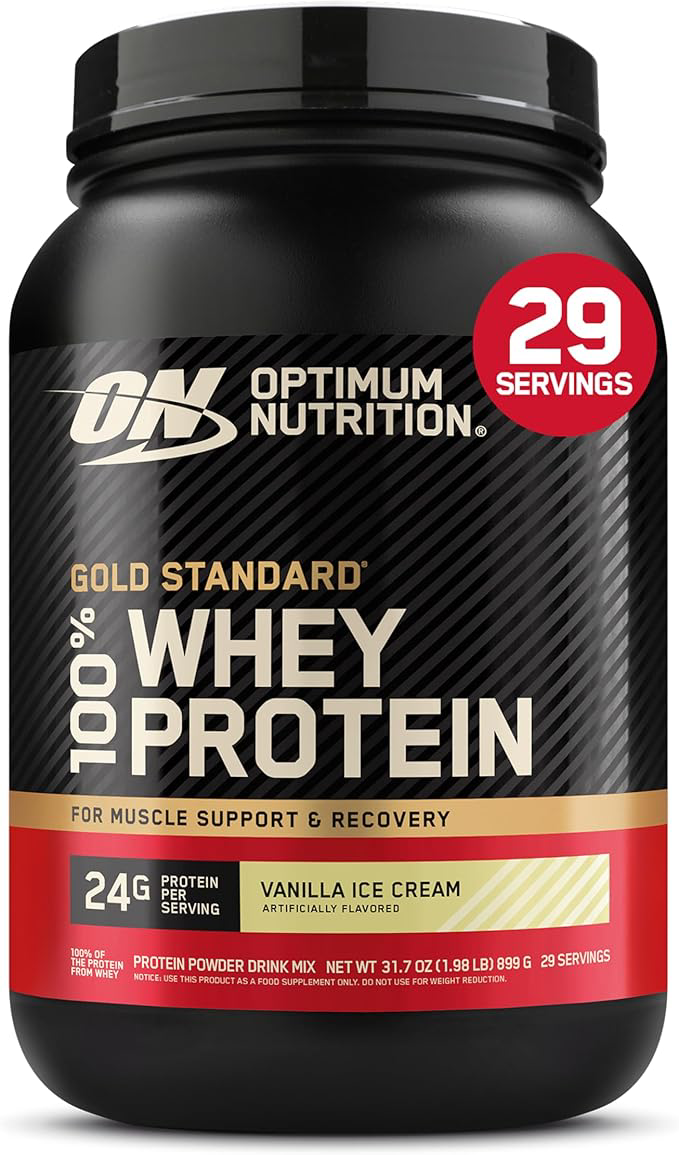
Protein provides the essential amino acids needed to repair micro-tears in muscle fibers. Carbohydrates help replenish glycogen stores, the primary fuel source for your muscles. Hydration is crucial for every metabolic process, including flushing out metabolic byproducts and transporting nutrients. Ignoring these elements can leave you sore for longer and sap your energy for subsequent workouts.
Over-relying on Pain Relief Medication
It's tempting to reach for over-the-counter NSAIDs (like ibuprofen or naproxen) to dull the ache. While occasionally appropriate, habitual use as a recovery strategy is problematic. These medications work by reducing inflammation, but inflammation is an initial, necessary part of the muscle repair and adaptation signaling process.
Chronic use to manage workout soreness can potentially blunt the very training adaptations you're working for and carries risks for stomach, kidney, and cardiovascular health. They should be a rare tool, not a standard part of your recovery protocol. Managing soreness through movement, hydration, and nutrition is a more sustainable and effective long-term approach.
Stretching Too Aggressively
The image of deeply stretching a sore muscle feels intuitively right, but aggressive, static stretching when muscles are acutely sore and inflamed can sometimes cause more micro-damage. DOMS involves microscopic damage and inflammation within the muscle fibers themselves, not just tightness.
Gentle, dynamic movement and light stretching are beneficial. However, forcing a muscle into a deep, prolonged stretch when it's extremely tender may irritate it further. Focus on gentle mobility work and light range-of-motion activities instead of intense, painful holds.
Skipping a Proper Warm-up Next Time
When you're sore from a previous workout, the instinct for your next session might be to “take it easy” and jump right in. This is a mistake. Sore, stiff muscles need a thorough warm-up more than ever. A good warm-up increases blood flow, raises muscle temperature, and improves elasticity, which can reduce the feeling of stiffness and prepare your body for safer movement.
Spend 10-15 minutes on low-intensity cardio (walking, jogging, cycling) followed by dynamic stretches that mimic the movements you’ll be doing in your workout. This doesn't mean you must do the same heavy lifting; you might opt for a lighter load or focus on a different muscle group, but never neglect the warm-up.
Navigating muscle soreness wisely means listening to your body's signals without being ruled by them. It involves recognizing that some discomfort is part of growth, but that smart recovery practices are what allow that growth to happen consistently. By avoiding these common pitfalls, you shift from just surviving your workouts to truly thriving because of them, building resilience that lasts far longer than any temporary ache.