
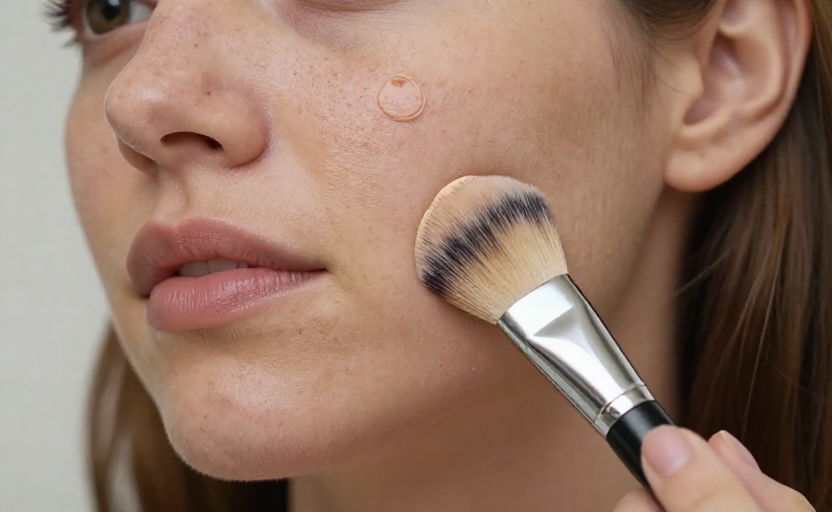
For those with acne-prone skin, makeup can feel like a double-edged sword. It’s a tool for confidence, a way to even out texture and tone, yet the wrong choice can quietly undermine your skincare efforts and trigger new breakouts. While we often focus on skincare steps, the products we layer on top—our makeup—play an equally critical role. According to dermatologists and makeup artists, one common error stands out as a primary culprit for clogged pores and flare-ups.
The most frequent mistake is using makeup formulas that are too heavy or occlusive for acne-prone skin. This isn't just about “oil-free” labels; it’s about understanding texture, ingredients, and how a product interacts with your skin’s natural biology throughout the day. The goal is coverage that breathes, not a barrier that suffocates.
Why Heavy Formulas Cause Problems
Acne begins when a pore becomes clogged with a mix of dead skin cells and sebum (your skin’s natural oil). Bacteria can then multiply in this trapped environment, leading to inflammation and a breakout. Makeup that is overly thick, creamy, or rich in comedogenic (pore-clogging) ingredients acts like a sealant. It can trap those dead cells and excess oil inside the pore, creating the perfect conditions for acne to form.
The right makeup should work with your skincare, not against it. Think of it as a breathable veil, not a plaster.
This is why the classic “full-coverage” cream foundation, while tempting for masking redness, is often a problem. Its very purpose—to provide a flawless, impermeable finish—can prevent the skin from functioning normally. Over time, this can lead to a cycle of covering breakouts with a product that may be causing them.
How to Choose Better Formulas
Shifting away from heavy makeup doesn’t mean sacrificing coverage. It means being smarter about product selection and application.
First, look for key terms on labels: non-comedogenic, oil-free, and water-based. These formulations are specifically designed to avoid common pore-clogging ingredients. Mineral-based powder foundations are often an excellent choice, as they typically contain simple ingredients like zinc oxide and titanium dioxide, which can even have soothing properties.
Second, consider the finish. A natural, satin, or matte finish is usually safer than a dewy or glossy one for acne-prone skin, as the latter often relies on oils or emollients to create that glow. If you love a luminous look, add it strategically with a highlighter only on the high points of your face, away from acne-prone areas like the cheeks, chin, and forehead.
Application Matters Just as Much
Even the best formula can cause issues if applied with a dirty tool. Makeup sponges and brushes are breeding grounds for bacteria, oil, and old product. Clean them at least once a week with a gentle soap or brush cleanser. Fingers can work, but ensure they are freshly washed.
Also, less is more. Build coverage gradually where you need it, rather than applying a heavy layer all over. A light layer of foundation or tinted moisturizer, followed by a concealer just on active spots and redness, gives a more skin-like finish and minimizes product load.
The Critical Step Everyone Forgets
Choosing the right makeup is only half the battle. The non-negotiable other half is thorough, gentle removal every single night. Sleeping in makeup is perhaps the fastest way to guarantee a clogged pore. Use a dedicated makeup remover or cleansing oil first to break down sunscreen and makeup, followed by your regular facial cleanser. This double-cleansing method ensures no residue is left behind to mix with your skin’s overnight renewal processes.
What to Look For (And Avoid) on the Ingredient List
While “non-comedogenic” is a helpful guide, knowing a few specific ingredients can empower your choices. Be cautious with heavy oils like coconut oil, cocoa butter, and some silicones like dimethicone in high concentrations. These can be problematic for some. Instead, formulas with lighter oils like squalane, or those containing salicylic acid (a beta-hydroxy acid that exfoliates inside the pore), can be beneficial.
Remember, your skin is unique. A product that causes breakouts for one person may be fine for another. Patch testing a new foundation along your jawline for a few days before applying it to your entire face is a wise precaution.
Ultimately, makeup for acne-prone skin is about balance. It’s possible to achieve beautiful coverage without compromising your skin’s health. By opting for lighter, breathable formulas and committing to impeccable removal, you can break the cycle and let your skin—and your makeup—look its best.