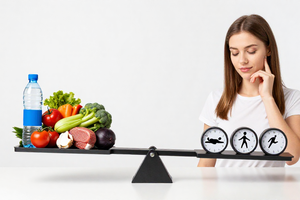

Intermittent fasting has become one of the most popular approaches to weight management and metabolic health. But according to dietitians, even a carefully followed fasting schedule can be undermined by a single, common mistake: poor meal timing during the eating window. It's not just about when you fast—it's about how and when you break that fast.
Many people assume that as long as they stick to their fasting hours, they can eat whatever they want in whatever order during the feeding period. That assumption, say experts, can stall progress and even counteract some of the benefits fasting is meant to deliver.
What Is the Most Common Meal Timing Mistake?
The error dietitians see most often is eating a large, carbohydrate-heavy meal immediately after the fast ends, then leaving a long gap before the next meal—or skipping it entirely. This pattern causes a rapid spike in blood sugar followed by a crash, which can trigger intense hunger later and encourage overeating before the next fast begins.
“Your first meal after fasting sets the tone for your entire eating window. If it’s unbalanced, the rest of your day becomes a blood sugar roller coaster,” explains one registered dietitian.
Another timing pitfall is front-loading calories early in the eating window and then having a very small or no evening meal. While this might seem intuitive for weight loss, it can lead to poor sleep quality and increased cortisol, both of which can sabotage long-term results.
How to Strategically Time Your Meals for Better Results
To maximize the metabolic benefits of intermittent fasting, dietitians recommend a different approach. Instead of eating the largest meal right after the fast, aim for a moderate, protein-rich first meal that includes healthy fats and fiber. This helps stabilize blood sugar and keeps you satisfied for hours.
A sample timing schedule might look like:
- Breaking the fast: A balanced meal with protein (eggs, Greek yogurt, or tofu), healthy fat (avocado or nuts), and vegetables or a small portion of whole grains.
- Mid-window snack: If needed, a small snack such as an apple with nut butter or a handful of almonds.
- Final meal: A dinner that is slightly smaller than the first meal but still nutrient-dense, eaten at least 2–3 hours before bedtime to support sleep and digestion.
This pattern prevents dramatic swings in hunger and energy, and it supports the metabolic flexibility that intermittent fasting is designed to enhance.
Why the Order of Foods Matters
Beyond when you eat, the sequence of foods within a meal can also affect your fasting results. Dietitians point to research showing that eating vegetables and protein before carbohydrates can blunt post-meal glucose spikes. Starting a meal with fiber and protein slows digestion and reduces the glycemic impact of any carbs that follow.
If you typically break your fast with a fruit smoothie or a bowl of oatmeal, consider adding a protein source or having a small salad first. Small adjustments to the order of your plate can make a significant difference in how your body responds to the meal.
Does Your Fasting Schedule Match Your Lifestyle?
Another factor that dietitians tie to the timing mistake is a mismatch between the fasting schedule and a person's natural circadian rhythm. For example, if you follow a 16:8 schedule but your eating window ends at 2 p.m., you may be eating your last meal hours before bedtime, which can lead to waking up hungry in the middle of the night. That hunger can disrupt sleep and increase cravings the next day.
Conversely, if your eating window extends late into the evening, your body may still be digesting when you sleep, which can reduce sleep quality and blunt fat-burning overnight. Most dietitians suggest aligning the eating window with daylight hours—starting mid-to-late morning and finishing by early evening—to work with the body's natural metabolic rhythms.
The Role of Protein Distribution
Many people on intermittent fasting schedules end up eating a large amount of protein in one meal, because they are trying to meet their daily needs in a shorter window. However, research suggests that muscle protein synthesis is optimized when protein is spread across meals. Having similar amounts of protein in your first and last meals can help preserve lean muscle mass, which is crucial for maintaining a healthy metabolism as you lose weight.
If you eat 60 grams of protein at dinner but only 15 grams at lunch, your body may not be able to use all of that protein effectively. Aim for at least 25–30 grams of protein at your first meal and a similar amount at your final meal for better muscle retention and satiety.
Bottom Line from Dietitians
Intermittent fasting can be a powerful tool, but its benefits are highly dependent on what happens inside your eating window. The meal timing mistakes that ruin results are not about breaking the rules—they are about failing to plan a balanced, well-timed intake that supports stable blood sugar, quality sleep, and consistent energy.
Focus on breaking your fast with protein and fiber, spacing your meals evenly, and finishing your last meal early enough to allow for proper digestion before sleep. These tweaks, grounded in nutritional science, can help you actually get the results you are working toward.