Imagine a week where dinner feels less like a chore and more like a simple, satisfying ritual. The sizzle of ingredients hitting a single pan, the aroma filling your kitchen, and the knowledge that a nourishing meal is just minutes away—this is the promise of a one-pan dinner habit, made effortless with a little upfront planning. It’s not about spending your entire Sunday in the kitchen; it’s about making a few smart decisions that pay off all week long.
The core idea is beautifully simple: dedicate a short block of time to prepare the foundational components of your meals. When you’re tired after a long day, the hardest parts—the chopping, the marinating, the measuring—are already done. All that’s left is the enjoyable part: cooking and eating.
Why one-pan meals are the perfect canvas for meal prep
One-pan dinners are the natural ally of the prepared cook. Their structure—protein, vegetables, and often a starch all cooked together—lends itself perfectly to pre-prepped ingredients. By focusing your meal prep efforts on these building blocks, you remove the friction from your weeknight routine. You trade the overwhelm of “what’s for dinner?” for the calm of knowing you have a plan, neatly stored and ready to go.
The goal isn't perfection; it's progress. Even preparing one or two components in advance can transform your evening.
What to prep ahead for your one-pan dinners
Effective meal prep for this style of cooking is about component preparation, not pre-cooking entire meals. Think of your refrigerator as a well-stocked pantry of ready-to-use parts.
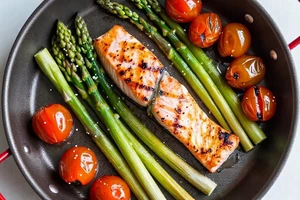
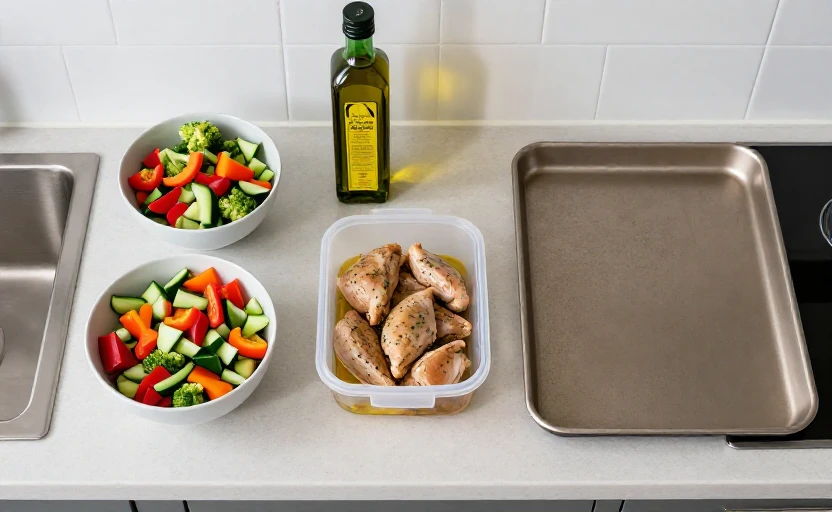
Proteins: This is often the most time-consuming element. Portion chicken breasts, fish fillets, or tofu into individual servings. You can marinate them in zip-top bags or simple containers—a step that infuses flavor and tenderizes with zero active time on a busy night. For ground meats or plant-based crumbles, you might choose to brown a large batch to use across different dishes.
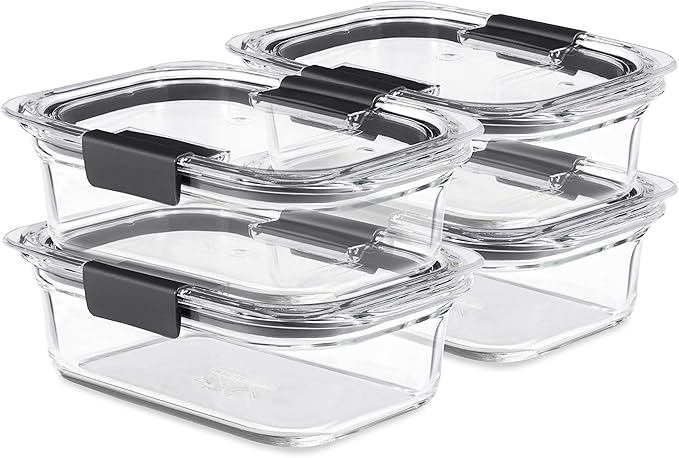
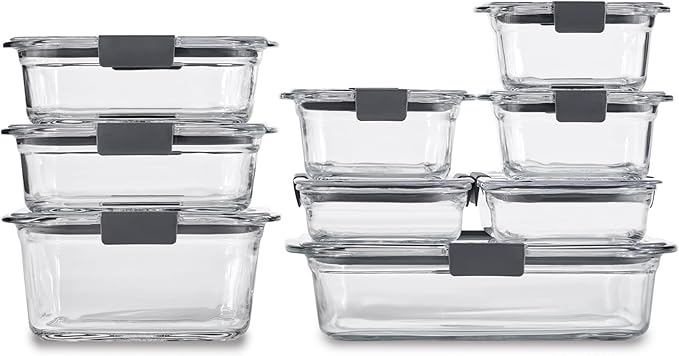
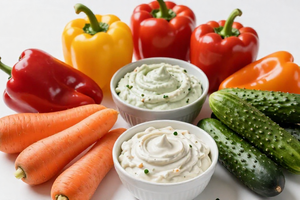
Vegetables: Wash, dry, and chop your most-used veggies. Hearty vegetables like broccoli florets, bell pepper strips, carrot coins, and diced onions store beautifully for days. Keep them in clear containers so you can easily see what you have. Tender greens like spinach or herbs are best washed and stored whole, to be added at the last minute.
Aromatics & Flavor Bases: Mince garlic and ginger, slice scallions, and chop fresh herbs. Storing these in small jars or containers means you can add layers of fresh flavor instantly.
Sauces & Marinades: Whisk together a versatile sauce or two. A simple lemon-herb vinaigrette, a savory soy-ginger glaze, or a creamy yogurt-based dressing can double as a marinade for your prepped protein and a finishing sauce for the cooked dish.
Building your weekly prep session
You don’t need a full day. Start with 60 to 90 minutes. Put on some music or a podcast, and approach it as a act of care for your future self.
- Plan & Shop: First, decide on 2-3 one-pan dinner ideas for the week. Choose recipes that share common ingredients to minimize waste. Make your grocery list from there.
- Prep in Stages: Tackle your ingredients by type. Wash and chop all vegetables first. Then, portion and marinate proteins. Finally, mix any sauces or dressings.
- Store Strategically: Use airtight containers and label them with the date. Store prepped ingredients in the order you’ll use them, with proteins safely on the bottom shelf of the refrigerator.
From prep to pan: A sample weeknight flow
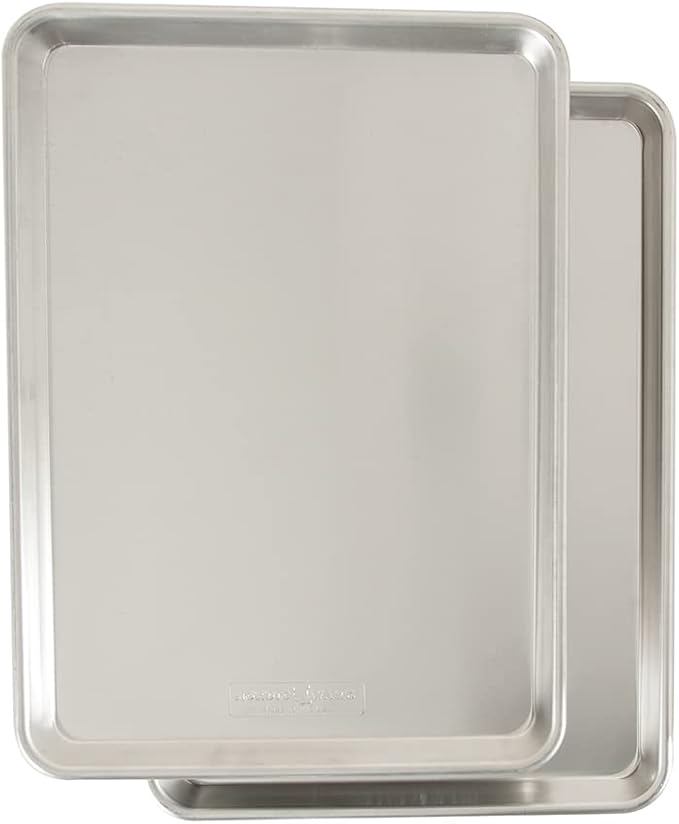
Here’s how it comes together. On Wednesday evening, you open the fridge. You pull out a bag of marinated chicken thighs, a container of chopped sweet potatoes and broccoli, and a small jar of minced rosemary. You preheat your sheet pan or skillet, toss the sweet potatoes in a little oil, and start them roasting. Ten minutes later, you add the chicken and broccoli to the same pan. While it all cooks, you tidy the few containers. Thirty minutes after you started, you’re sitting down to a complete, home-cooked meal with only one pan to wash.
The beauty of this system is its flexibility. The same prepped chicken could be used for a Mediterranean-style bake with zucchini and olives, or an Asian-inspired stir-fry with snap peas and bell peppers. Your pre-chopped vegetable mix can be roasted, sautéed, or added to a grain bowl.
Keeping your habit sustainable
Consistency beats intensity. It’s better to prep for three successful dinners each week than to overcommit and abandon the practice. Start small, celebrate the nights it works, and adjust your plan for the following week. Listen to what your schedule allows—sometimes that’s a Sunday afternoon, other times it’s a quiet Monday evening.
This habit is less about rigid rules and more about creating a gentle framework that supports you. It’s the quiet satisfaction of knowing you’ve made nourishing yourself a little easier, one pre-chopped onion and one marinated piece of fish at a time.