If you’ve ever found yourself staring into the fridge at noon, feeling the familiar tug between a healthy choice and whatever is fastest, you’re not alone. The midday meal can be a daily hurdle, especially when you’re trying to keep things low-carb. The solution isn’t a magic recipe; it’s a simple habit. By dedicating a short window of time to prepare lunches in advance, you can transform your entire week. It’s about creating a system that makes the healthy choice the easy choice, every single day.
This approach is less about rigid dieting and more about building a sustainable rhythm. When your lunches are already made, waiting for you, you sidestep decision fatigue and the temptation of less-nourishing options. It frees up mental space and time, turning what was often a daily scramble into a moment of calm satisfaction.
Why a low-carb lunch makes sense
Choosing a lunch lower in refined carbohydrates and higher in protein, healthy fats, and fiber can help you avoid the classic afternoon energy crash. Without that heavy spike and subsequent drop in blood sugar, you’re more likely to experience steady energy, better focus, and fewer cravings later in the day. It’s not about elimination for its own sake, but about building a plate that sustains you.
The goal is satisfaction, not deprivation. A good low-carb lunch should leave you feeling full and fueled for hours.
Setting up your meal prep session
Success starts before you even turn on the stove. A little planning makes the actual cooking process smooth and efficient.
First, choose your day. For many, a quiet Sunday afternoon or a weeknight evening works best. Block out 60 to 90 minutes—that’s often all it takes. Next, decide on your menu. Aim for one or two core protein sources, two to three versatile vegetables, and a base or two, like cauliflower rice or leafy greens. This creates mix-and-match potential so you’re not eating the exact same thing daily.
Make your shopping list from your chosen recipes and take inventory of your containers. Having a set of reliable, leak-proof containers in a few sizes is non-negotiable. Glass or BPA-free plastic are both great options.
Building your low-carb lunch components
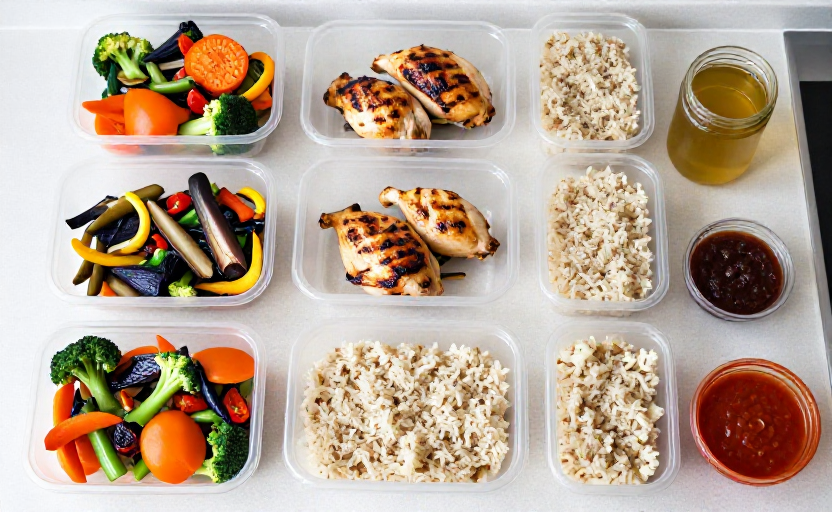
Think of your lunch as an assembly of ready-to-go parts. Cook each component in bulk, then store them separately to maintain texture. Combine them each morning or as you pack.
The protein anchor
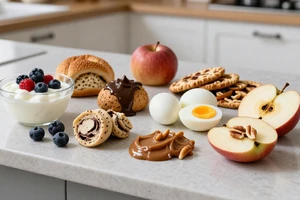
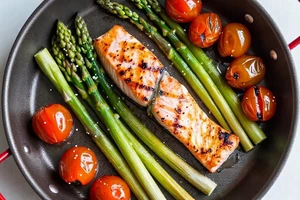
This is the element that provides lasting fullness. Batch-cook a few chicken breasts or thighs, a tray of baked salmon or cod, a dozen hard-boiled eggs, or a large portion of ground turkey or beef. Season simply with salt, pepper, and herbs so it can adapt to different flavor profiles throughout the week.
The vegetable foundation
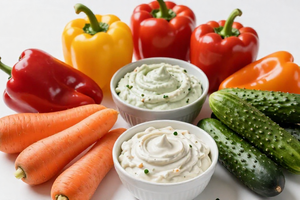
Roasting is a meal prep superstar. It concentrates flavor and keeps vegetables tasting great for days. Chop broccoli, bell peppers, zucchini, asparagus, or Brussels sprouts, toss them with olive oil and seasoning, and roast on a sheet pan until tender-crisp. You can also quickly sauté spinach or kale, or keep raw veggies like cucumber, radishes, and cherry tomatoes on hand for crunch.
Flavor and texture accents
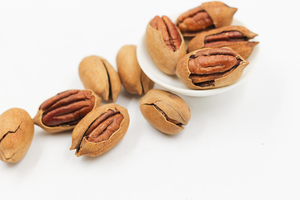
This is where you prevent boredom. Prepare a small batch of a simple sauce or dressing—a lemon-herb vinaigrette, a creamy avocado cilantro sauce, or a tahini drizzle. Have ready-to-add toppings like sliced olives, nuts, seeds, a sprinkle of cheese, or a dollop of pesto. These small additions make a big difference.
A sample prep plan for the week
Let’s walk through a practical example. In one prep session, you could:
- Roast two sheet pans of vegetables: one with broccoli and cauliflower, another with bell peppers and red onion.
- Bake five seasoned chicken breasts or a large pack of chicken thighs.
- Cook a large batch of cauliflower rice in a skillet.
- Whisk together a simple dressing of olive oil, lemon juice, Dijon mustard, and oregano.
- Hard-boil half a dozen eggs.
From these components, you can create varied lunches: a cauliflower rice bowl with chicken and roasted veggies; a large salad with sliced chicken, egg, and raw veggies; or a simple plate of chicken alongside the roasted vegetables and a drizzle of sauce.
Storing and keeping things fresh
Proper storage is key to enjoying your meals days later. Let cooked proteins and vegetables cool completely before packing them into containers. Store dressings and sauces separately in small jars or containers to prevent sogginess. Most prepped components will keep safely and tastily for 3 to 4 days in the refrigerator. If you prep for five days, consider designating Wednesday as a “refresh” day to cook a quick new protein or vegetable to carry you through.
The beauty of this system is its flexibility. It’s a framework, not a strict rulebook. Some weeks you might prep everything. Other weeks, you might just batch-cook a protein and buy pre-chopped vegetables or a bag of salad greens. The habit is what matters—the consistent practice of making a future healthy choice easier for your busy self.